
HEALTH
The Complete Brain Fog Treatment Guide (Medical and Natural Approaches)

Brain fog disrupts daily life in ways that are hard to explain to others. You might stand in front of an open fridge and forget what you needed. Conversations become difficult when you can’t find the right words.
Work takes twice as long because concentrating feels like pushing through mud. These symptoms are real, and brain fog treatment exists that can help.
Understanding Brain Fog Causes
Multiple factors contribute to cognitive cloudiness. Identifying which ones apply to you determines what treatment will work.
Sleep disorders rank at the top. Sleep apnoea cuts off oxygen supply repeatedly throughout the night. People wake up exhausted even after eight hours in bed because their brain never got proper rest. Insomnia creates similar problems. The brain needs deep sleep to flush out metabolic waste that builds up during waking hours.
Nutritional deficiencies cause cognitive symptoms more often than most doctors check for. Low B12 levels damage nerve function over time. This vitamin is absorbed poorly in many people, especially those over 50 or taking certain medications like metformin or proton pump inhibitors. Iron deficiency means less oxygen reaches the brain.
Vitamin D deficiency links to depression and cognitive decline. Magnesium deficiency affects hundreds of biochemical reactions, including those in the brain.
Thyroid dysfunction slows metabolism everywhere, including mental processing. Even subclinical hypothyroidism – where lab values are borderline – can cause constant brain fog. Standard thyroid testing sometimes misses problems because it only checks TSH levels.
Hormonal shifts during perimenopause and menopause cause significant cognitive changes for many women. Oestrogen receptors exist throughout the brain, and declining levels affect memory, focus, and processing speed.
Other Common Causes:
- Chronic inflammation from autoimmune conditions or persistent infections
- Food sensitivities triggering inflammatory responses
- Blood sugar imbalances from insulin resistance or erratic eating
- Medication side effects, particularly from antihistamines and anticholinergic drugs
- Chronic stress keeping cortisol levels too high for too long
- Post-viral syndromes including long COVID
- Mould exposure in water-damaged buildings
Medical Brain Fog Treatment
Professional evaluation matters when symptoms persist. Doctors order blood tests to check for measurable problems.
Diagnostic Testing
Standard panels should include complete blood count, comprehensive metabolic panel, thyroid function tests, vitamin B12, vitamin D, and ferritin. Some situations require additional testing for autoimmune markers, hormone levels, or inflammatory markers like C-reactive protein.
Sleep studies diagnose apnoea and other sleep disorders that don’t show up on blood work. Cognitive testing by neuropsychologists can document specific deficits and track improvement over time.
Prescription Treatments
Medication choice depends entirely on the underlying problem. Levothyroxine or other thyroid hormones treat hypothyroidism. Most people notice improvement within a few weeks of getting their dose right, though finding the optimal dose takes trial and error.
Stimulant medications help some people, particularly those with attention deficits contributing to their fog. These medications increase dopamine and norepinephrine in the brain. They’re not appropriate for everyone and require careful monitoring.
Antidepressants treat brain fog when depression or anxiety underlies the symptoms. Different classes work through different mechanisms. SSRIs increase serotonin availability. SNRIs affect both serotonin and norepinephrine. Finding the right medication often requires trying more than one.
Hormone replacement therapy helps some women experiencing cognitive symptoms from menopause. Oestrogen therapy comes with risks that need discussion with a doctor. The decision depends on individual health history and symptom severity.
Managing Underlying Conditions
Treating the root problem often resolves cognitive symptoms. CPAP machines for sleep apnoea can produce dramatic improvement within days to weeks. Managing diabetes through diet, medication, or both keeps blood sugar stable and prevents the mental cloudiness that comes with glucose fluctuations.
Autoimmune conditions require immune-modulating medications. These reduce the inflammation affecting brain function. Treating chronic infections like Lyme disease or Epstein-Barr virus sometimes clears persistent fog, though this remains controversial in mainstream medicine.
Lifestyle Approaches to Brain Fog Treatment
Many people improve significantly through lifestyle changes. These methods work best when applied consistently over weeks to months.
Sleep Hygiene
Getting good sleep is not optional for cognitive function. Stick to the same sleep and wake times every day. Your circadian rhythm responds to consistency. Make your bedroom dark, cool, and quiet. Temperature matters – most people sleep better around 18 degrees Celsius.
Stop using screens an hour before bed. Blue light from phones and computers suppresses melatonin production. Read a book instead. Take a warm bath. The drop in body temperature after getting out signals your brain that it’s time to sleep.
Avoid caffeine after early afternoon. It stays in your system longer than most people think. Alcohol might make you drowsy initially but disrupts sleep architecture and prevents deep sleep stages.
Dietary Changes
What you eat affects how your brain works. Focus on whole foods rather than processed options. The Mediterranean diet – fish, olive oil, vegetables, nuts, legumes, whole grains – provides omega-3 fatty acids and antioxidants that support brain health.
Protein at every meal stabilises blood sugar. Blood sugar crashes cause intense brain fog for many people. Eating protein with carbohydrates slows glucose absorption and prevents spikes and drops.
Some people improve dramatically after eliminating certain foods. Common triggers include gluten, dairy, and high-histamine foods. An elimination diet requires commitment but can reveal surprising connections.
Drink enough water. Dehydration impairs concentration even at mild levels. You don’t need to force down enormous amounts, but sipping water throughout the day helps.
Physical Activity
Moving your body regularly improves brain function through multiple mechanisms. Exercise increases blood flow to the brain. It triggers production of brain-derived neurotrophic factor, which supports neuron health and growth.
You don’t need intense workouts. Walking 30 minutes daily works. Strength training twice weekly adds benefits. Consistency matters more than intensity. Pick something you’ll actually do rather than an elaborate plan you’ll abandon.
Stress Management
Chronic stress damages the brain over time. High cortisol levels interfere with memory formation and retrieval. Finding effective stress management techniques is part of how to treat brain fog successfully.
Meditation works, though it feels awkward at first. Start with five minutes of focusing on your breath. When your mind wanders, bring attention back to breathing. That’s the practice. Apps like Insight Timer offer free guided sessions.
Spending time outside lowers stress hormones. Forest bathing – walking slowly in nature and paying attention to sensory details – has measurable effects on cortisol and blood pressure.
Social connection protects against stress. Isolation makes everything worse, including cognitive symptoms. Regular contact with friends and family matters for brain health.
Supplements for Brain Fog
Some supplements have decent evidence supporting their use, though they work better alongside other interventions than alone.
Research-Supported Options:
- Omega-3 fatty acids from fish oil reduce brain inflammation
- B-complex vitamins support neurotransmitter production
- Magnesium glycinate or threonate improve sleep and reduce stress
- Vitamin D corrects deficiency when present
- CoQ10 supports mitochondrial function in brain cells
- Bacopa monnieri improves memory in some studies
Buy from companies that do third-party testing. Supplement quality varies wildly. ConsumerLab and USP verify contents. Check with your doctor before starting supplements, especially if you take medications.
Building Your Treatment Plan
Effective brain fog treatment requires methodical problem-solving. Track symptoms for two weeks before changing anything. Write down when fog worsens, what you ate, how you slept, and stress levels. Patterns emerge that point toward specific triggers.
Get medical evaluation with appropriate blood work. Don’t skip this step. Treatable medical conditions cause many cases of constant brain fog.
Start with sleep. Fix your sleep schedule before trying anything else. Add one change at a time and wait several weeks before adding another. This way you know what’s helping.
Most lifestyle interventions need four to six weeks to show full effects. Some medications work faster, but many require patience. Stick with changes long enough to see whether they work.
When to Get Emergency Care
Sudden severe confusion, difficulty speaking, vision problems, or cognitive changes with fever or bad headache require immediate evaluation. These symptoms could indicate stroke, meningitis, or other emergencies.
Brain fog treatment works when you identify what’s causing your symptoms and address those specific problems. Most people improve substantially with the right approach and enough time.

Embarking on the journey to overcome substance abuse is a meaningful and courageous commitment. A critical starting point is detoxification, a process that flushes harmful substances from the body and lays the foundation for recovery. Approaching detox with safety as a central concern is necessary for long-term well-being and success. For those seeking help, specialized programs such as detox in Colorado Springs can provide the medical oversight and supportive environment that are so important during this process.
Safe detox is not just about removing substances from the body; it is about ensuring that the process minimizes risks, supports the individual’s needs, and prepares them for ongoing recovery. Proper medical supervision and comprehensive care are essential in addressing both the physical and psychological challenges that can emerge during detox. Access to knowledgeable professionals and evidence-based resources promotes a smoother and more sustainable transition.
As more individuals and families confront the realities of substance abuse, understanding what makes detox safe and effective is increasingly important. By integrating medical, therapeutic, and community support, those facing substance use disorders can build a stronger foundation for lasting change. The benefits of holistic and personalized care are proven and form the cornerstone of successful recovery journeys.
Best practices in detoxification are grounded in science and compassion. By focusing on strategies that have shown consistent results, recovery can become more attainable and less daunting. These core principles help guide both individuals and their loved ones through one of the most challenging phases of recovery with courage and confidence.
The Importance of Medical Supervision
Detoxification from drugs or alcohol can trigger withdrawal symptoms, some of which may be severe or life-threatening. Medical oversight is critical to recognizing early signs of complications and intervening when necessary. Withdrawal from certain substances, such as alcohol and benzodiazepines, can result in dangerous symptoms like seizures or delirium tremens. Having trained healthcare providers monitor and support patients can make the process safer and much less distressing.
The Substance Abuse and Mental Health Services Administration (SAMHSA) outlines evidence-based guidelines for detoxification. These protocols recommend a multidisciplinary team approach, including doctors, nurses, and counselors, to oversee the medical and psychological aspects of withdrawal. Immediate access to medications and therapies ensures that symptoms can be managed and complications prevented.
Personalized Treatment Plans
No two individuals experience substance use or recovery in the same way. Factors such as the types of substances used, length of dependency, general health, and any co-occurring mental health issues influence what kind of care is needed. Effective detox programs begin with thorough assessments to develop treatment plans that honor these individual differences.
Personalized plans may include medication-assisted treatment, counseling for coexisting conditions, and ongoing assessments to adjust the approach as needs change. By focusing on the person, not just the addiction, the risk of relapse decreases, and the foundation for recovery becomes more robust. Treatment plans that recognize individual strengths and vulnerabilities foster a greater sense of agency throughout detox and healing.
Holistic Approaches to Detox
Holistic care involves meeting the physical, emotional, and spiritual needs of each individual during detox. Practices like yoga, mindfulness meditation, nutritional therapy, and exercise can ease withdrawal symptoms, decrease anxiety, and promote healing. In many programs, holistic therapies are incorporated alongside traditional medical treatment to address the “whole person” during recovery.
Nutrition plays an especially important role, as substance use can deplete essential vitamins and minerals. Restoring nutritional balance supports physical healing and energy. Meanwhile, therapeutic activities such as art, nature walks, and group support build resilience and motivation. Employing these holistic strategies can increase comfort and help foster a positive outlook during this challenging time.
Ensuring Continuity of Care
Effective detox is just one step in a much longer recovery journey. Studies published by the Centers for Disease Control and Prevention (CDC) emphasize the importance of continuity between detox and further treatment, such as inpatient rehab, outpatient counseling, or support groups. Gaps between detox and continued care can increase the risk of relapse or medical complications.
Ensuring a smooth transition involves planning for the next steps before detox ends. Case managers, discharge coordinators, and recovery coaches can collaborate to help eliminate obstacles and keep individuals connected to vital resources. This ongoing support builds accountability and gives clients the best chance for sustained sobriety.
The Role of Support Systems
Recovery from substance abuse is rarely achieved in isolation. The involvement of family members, friends, and support networks is crucial for encouragement and accountability. Community organizations and peer groups, such as Narcotics Anonymous and SMART Recovery, provide non-judgmental environments where individuals can share their experiences and stay engaged in recovery.
Support systems also help to educate families, reduce the risk of misunderstandings, and empower loved ones to respond effectively to setbacks. Structured support networks have been linked to higher retention in treatment and improved long-term outcomes, making them a key ingredient in the recovery process.
Aftercare Planning
Comprehensive aftercare planning is essential for maintaining sobriety after detox. An effective aftercare plan addresses ongoing therapy needs, relapse prevention strategies, trigger management, and community engagement. This may involve a combination of regular counseling, ongoing medication management, participation in peer support groups, and adjustments in daily routines to reduce exposure to high-risk situations.
Staying active in aftercare can buffer against relapse triggers and provide ongoing encouragement. Periodic check-ins with healthcare providers also allow for timely interventions if challenges arise. Long-term monitoring and flexibility in aftercare plans help individuals maintain gains and adjust as life circumstances change.
Overcoming Barriers to Treatment
Many people who need help with substance use face significant barriers to accessing appropriate treatment. Financial limitations, lack of insurance, remote locations, and persistent stigma can discourage individuals from seeking care. Increased community outreach and public education can help reduce these obstacles.
Efforts to improve public policy, expand insurance coverage, and train more addiction specialists are necessary at a systemic level. Removing barriers makes recovery tools more accessible to everyone, regardless of background or circumstance, and promotes greater overall health and resilience in communities.
Conclusion
Safe detox approaches are the foundation of successful substance abuse recovery. Medical supervision, personalized care, holistic therapies, and robust support networks work together to ensure a safer and more sustainable journey toward sobriety. By addressing barriers and remaining engaged in long-term care, individuals and their families can look to the future with hope and confidence.

Kendall Jenner has become a household name not just for her modeling prowess but also for her impeccable style. Recently, she’s captured the hearts of beauty enthusiasts with her take on the chic, radiant aesthetic known as the “French Girl Glow.” This effortless look is all about embracing natural beauty while exuding that enviable aura of sophistication and grace.
What makes this trend even more captivating is Kendall’s newfound love affair with Nuxe products. With their luxurious formulations and emphasis on skincare, Nuxe complements the French essence perfectly. If you’ve ever wanted to master that understated yet luminous vibe that French girls seem to effortlessly achieve, you’re in luck. Let’s dive into what exactly constitutes the French Girl Glow and how you can channel Kendall Jenner’s Nuxe-inspired allure into your own routine!
What is the French Girl Glow?
The French Girl Glow is an aesthetic that celebrates natural beauty and simplicity. It embodies a fresh, radiant complexion paired with minimal makeup.
At its core, this glow emphasizes healthy skin. Think dewy finishes rather than heavy foundations. The focus is on enhancing one’s features rather than masking them.
This look often includes rosy cheeks and soft lips, offering a youthful vibe without being overly done. It’s all about balance: striking the right chord between polished and effortless.
A key element is the confidence that comes from embracing individuality. French girls are known for their unique style choices, making each interpretation of the glow distinctly personal.
It’s less about following trends and more about cultivating an authentic radiance that feels genuine to you. This elusive allure combines skincare rituals with a laid-back approach to beauty—something Kendall Jenner has beautifully embraced in her Nuxe-inspired routine.
The Rise of Kendall Jenner’s Nuxe Style
Kendall Jenner has become a style icon, captivating audiences with her effortlessly chic aesthetic. Recently, she took the beauty world by storm with her embrace of Nuxe products. This French skincare brand embodies luxury and simplicity.
Fans have noticed her radiant skin during red carpet events and casual outings alike. The secret? A refined routine that highlights natural beauty over heavy makeup. Kendall’s approach resonates with many, promoting a fresh-faced look that feels attainable.
Her influence is evident on social media as followers seek to replicate that coveted glow. With every post featuring Nuxe essentials, she inspires an entire generation to prioritize skincare over cosmetics.
The blend of high-fashion elegance and down-to-earth charm defines Kendall’s unique appeal. It’s no wonder she’s leading the charge for the “French Girl Glow” trend in contemporary beauty culture.
How to Achieve the Look: Skincare
Achieving the coveted French Girl Glow starts with a solid skincare routine. Begin with clean, hydrated skin as your canvas. Opt for gentle cleansers that respect the skin’s natural barrier.
A standout product in Kendall Jenner’s Nuxe-inspired regimen is their iconic Huile Prodigieuse. This multi-purpose oil nourishes and adds radiance without weighing you down.
Next, don’t underestimate the power of moisturizers. Look for lightweight formulas enriched with antioxidants to protect against environmental stressors.
Serums are your best friend here—target specific concerns like dullness or dryness. A vitamin C serum can brighten and even out skin tone, giving that sought-after luminosity.
Always remember sun protection is key. A broad-spectrum SPF will not only prevent premature aging but also maintain that fresh-faced glow throughout the day. Embrace these steps to unlock radiant skin just like Kendall Jenner!
Makeup Tips for the French Girl Glow
To achieve the French Girl Glow, embrace minimalism in your makeup routine. Start with a lightweight foundation or tinted moisturizer that evens out your skin tone without masking it.
Opt for cream blushes in soft pinks or peaches to add a natural flush to your cheeks. These blends offer a dewy finish, enhancing that fresh look.
For eyes, consider neutral shades and a hint of mascara. A single coat can make lashes appear effortlessly full while keeping the focus on your natural beauty.
Finish with a touch of lip balm or sheer lipstick for that “just-kissed” effect. Avoid heavy colors; instead, choose something close to your lip shade for an understated charm.
Remember, less is more when channeling this style. Each product should enhance rather than cover up what makes you uniquely beautiful.
Hair and Fashion: Embracing Effortless Beauty
Effortless beauty is all about embracing your natural self. Kendall Jenner’s Nuxe-inspired style epitomizes this philosophy, blending chic with casual ease.
When it comes to hair, think soft waves or a simple sleek ponytail. The goal is to look polished without trying too hard. A touch of shine spray can enhance those effortless locks while keeping them healthy and vibrant.
Fashion-wise, opt for classic staples that never go out of style. A tailored blazer paired with a relaxed tee creates an effortlessly sophisticated outfit. Neutral tones are key; they allow for versatility and elegance in any situation.
Accessories should be minimal yet impactful—think delicate gold jewelry or a stunning handbag that elevates the look without overshadowing it. This combination of laid-back hairstyles and timeless clothing helps you capture that quintessential French girl vibe we all admire.
Incorporating Nuxe Products into Your Routine
Incorporating Nuxe products into your skincare routine is a breeze. Start with their iconic Huile Prodigieuse, a multi-purpose oil that hydrates and adds radiance. Just a few drops can transform dry skin or give your hair that coveted sheen.
Next, consider the Crème Fraîche de Beauté for daily hydration. This cream offers long-lasting moisture while soothing and revitalizing tired complexions. It’s perfect for those busy days when you need an instant pick-me-up.
For nighttime rejuvenation, try the Nuxe Reve de Miel Lip Balm to nourish your lips as you sleep. Its rich texture will work wonders overnight, leaving them soft by morning.
Integrating these luxurious products into your everyday rituals elevates self-care effortlessly. With each application, you’re not just enhancing beauty—you’re indulging in a little piece of French elegance right at home.
Conclusion
Achieving the Kendall Jenner Nuxe style is more than just adopting a beauty routine; it’s about embracing a lifestyle. The French Girl Glow exemplifies effortless elegance and natural beauty, making it accessible for everyone. By focusing on skincare, minimalist makeup, and easy-to-manage hair looks, you can channel that chic Parisian vibe.
Incorporating Nuxe products into your daily routine adds an extra layer of luxury without being over-the-top. With quality ingredients like honey and botanical oils, they promise both effectiveness and indulgence.
Whether you’re stepping out for brunch or heading to an evening event, remember that simplicity often speaks volumes. Embrace your natural features while enhancing them with thoughtful choices in skincare and makeup. With these tips at hand, you’ll be well on your way to mastering that coveted French girl glow—just like Kendall Jenner!
Fiebrigen is a word that might sound unfamiliar to many. However, this condition affects a significant number of people worldwide. Understanding fiebrigen is crucial for those experiencing its effects and their loved ones navigating the challenges it brings.
This blog post will delve into every aspect of fiebrigen, from symptoms and causes to effective treatments and management strategies. Whether you are seeking knowledge for yourself or supporting someone else, we aim to provide clear insights and practical advice. Let’s explore this condition together!
Symptoms of Fiebrigen
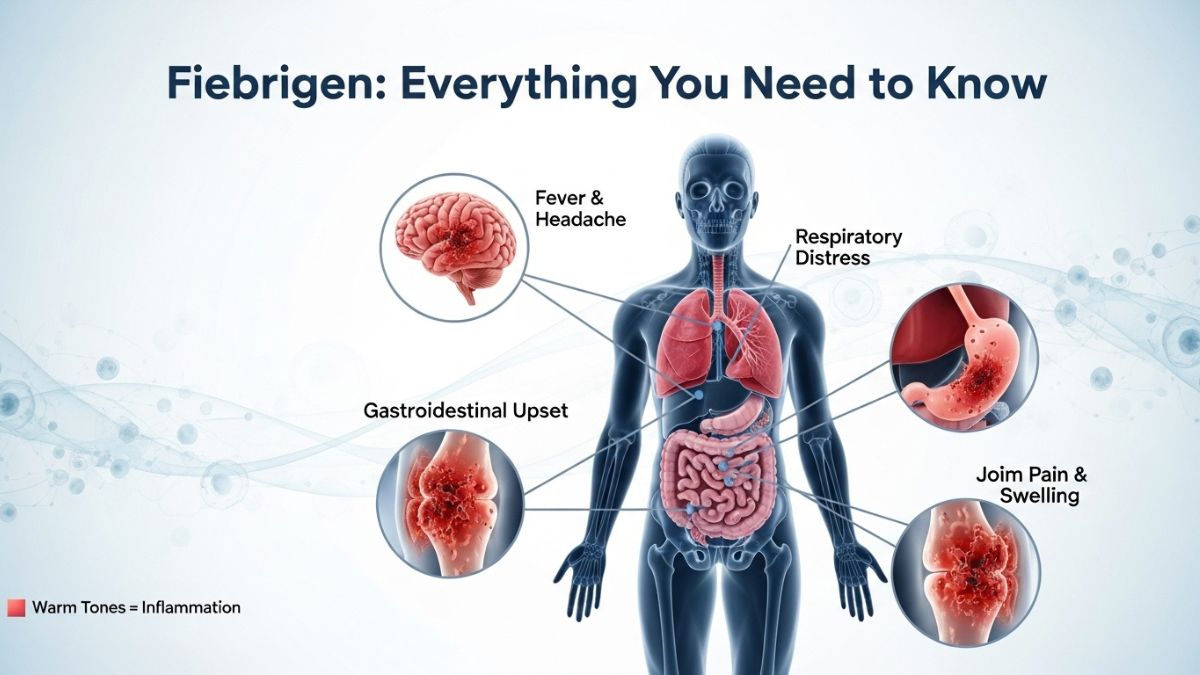
Fiebrigen presents a variety of symptoms that can vary significantly from person to person. The most noticeable sign is often a persistent fever, which can fluctuate throughout the day. This may be accompanied by chills or sweating.
Fatigue is another common experience for those affected. Many report feeling exhausted even after minimal activity. Muscle aches and joint pain are also frequently noted, adding to the overall discomfort.
Some individuals might experience headaches or dizziness as well. These cognitive symptoms can impair focus and concentration, making daily tasks feel more challenging.
In certain cases, gastrointestinal issues such as nausea or loss of appetite may arise. It’s important to recognize these signs early on for effective management and treatment options later on. Each symptom contributes to the unique picture of Fiebrigen that healthcare professionals look for during diagnosis.
Causes of Fiebrigen
Fiebrigen can arise from various underlying factors. One primary cause is infections, which may include viral or bacterial agents. These pathogens trigger the body’s immune response, leading to fever and other symptoms associated with the condition.
Another significant contributor is inflammation due to autoimmune disorders. Conditions like lupus or rheumatoid arthritis can disrupt normal bodily functions, causing episodes of fiebrigen.
Environmental factors also play a role. Exposure to toxins or extreme temperatures might provoke an inflammatory reaction in susceptible individuals.
Genetic predisposition cannot be overlooked either. Some people inherit traits that make them more prone to developing fiebrigen under certain conditions.
Lifestyle choices such as stress and poor diet can weaken the immune system, making it easier for fiebrigen to manifest when faced with challenges.
Diagnosis and Treatment Options
Diagnosing fiebrigen typically begins with a thorough medical history and physical examination. Physicians look for specific symptoms, such as fever patterns and any related health issues. Blood tests may be conducted to check for underlying infections or inflammatory markers.
Imaging techniques like X-rays or MRIs can assist in ruling out other conditions that mimic fiebrigen’s symptoms. Accurate diagnosis is crucial since treatment plans vary widely based on the severity and cause of the condition.
Treatment options depend largely on the underlying causes identified during diagnosis. Antipyretics are often prescribed to manage fever, while antibiotics might be necessary if an infection is present.
In some cases, lifestyle adjustments—such as hydration and rest—can significantly aid recovery. Ongoing monitoring by healthcare professionals helps ensure that any changes in symptoms are promptly addressed.
Preventing and Managing Fiebrigen
Preventing and managing fiebrigen involves proactive measures. Staying informed about the condition is key. Understanding its symptoms can help in early detection.
Maintaining a healthy lifestyle can also make a difference. A balanced diet, regular exercise, and adequate sleep support overall well-being. These habits bolster the immune system, reducing susceptibility to various health issues.
Regular check-ups with healthcare professionals are crucial. They can provide guidance tailored to individual needs and monitor any changes in health status.
For those already experiencing fiebrigen, medication may be necessary to manage symptoms effectively. Adhering to prescribed treatments ensures better control over the condition.
Stress management techniques like meditation or yoga can enhance resilience against flare-ups. Emotional support from friends and family plays an important role too.
Creating a daily routine that accommodates rest helps foster stability for both patients and caregivers alike.
Living with a Fiebrigen Patient: Tips and Advice
Living with someone diagnosed with fiebrigen can be a challenge, but small adjustments can make a big difference.
Establish routines that provide comfort and predictability. Consistency helps the patient feel secure during episodes of discomfort.
Open communication is essential. Encourage them to express their feelings and symptoms without hesitation. Listening actively shows support.
Create a soothing environment at home. Soft lighting, calming music, or even aromatherapy can alleviate anxiety and promote relaxation.
Consider meal planning together. A diet rich in nutrients may aid recovery while allowing the patient to feel involved in their care.
Don’t forget self-care for yourself too. Caring for someone else takes its toll; prioritize your own well-being through breaks or hobbies you enjoy. Balancing your needs alongside theirs fosters a healthier dynamic for both parties involved.
Conclusion
Fiebrigen is a complex condition that can significantly impact the lives of those affected and their loved ones. Understanding its symptoms, causes, and available treatment options is crucial for effective management. By taking proactive steps toward prevention and adopting strategies to support patients, caregivers can create a more comfortable environment.
Living with someone who has fiebrigen requires patience and empathy. It’s essential to communicate openly about feelings and needs while also providing emotional support. Knowledge about this condition empowers both patients and caregivers alike.
As we continue to learn more about fiebrigen through research and shared experiences, awareness will grow, ultimately leading to better care solutions for everyone involved. Staying informed not only enhances individual well-being but also fosters a supportive community around this challenging condition.
-

 HEALTH2 years ago
Transformative Health Solutions: Unveiling the Breakthroughs of 10x Health
-

 GENERAL2 years ago
Discovering the Artistic Brilliance of Derpixon: A Deep Dive into their Animation and Illustration
-

 Posts2 years ago
Siegel, Cooper & Co.
-

 Lifestyle2 years ago
Purenudism.com: Unveiling the Beauty of Naturist Lifestyle
-

 FASHION2 years ago
The Many Faces of “λιβαισ”: A Comprehensive Guide to its Symbolism in Different Cultures
-

 Lifestyle2 years ago
BaddieHub: Unleashing Confidence and Style in the Ultimate Gathering Spot for the Baddie Lifestyle
-
 Entertainment2 years ago
Geekzilla Podcast: Navigating the World of Pop Culture, Gaming, and Tech
-

 Lifestyle2 years ago
Sandra orlow: Unraveling the Story of an Iconic Figure