
blog
AI Receptionist for Vets: A Practical Guide for Modern Veterinary Clinics

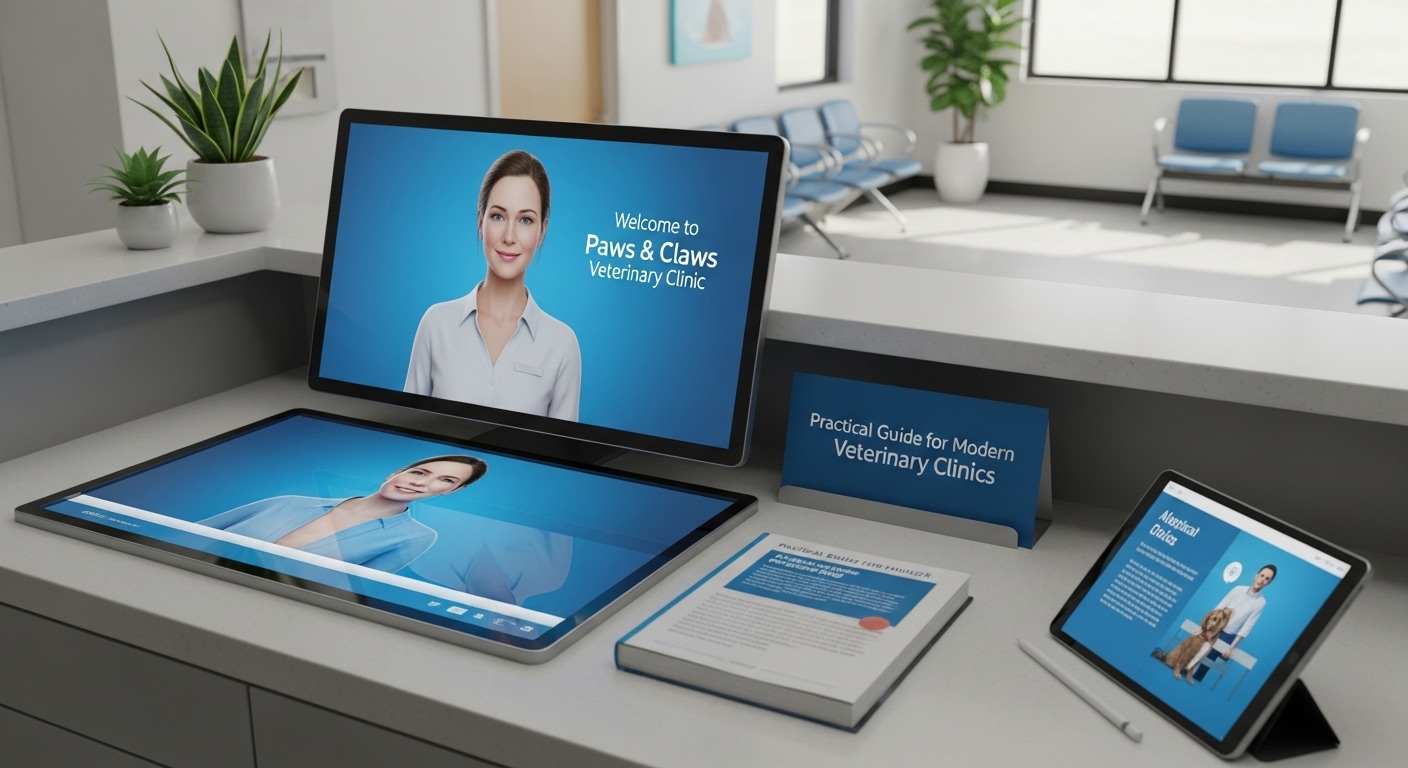
An ai receptionist for vets is quickly becoming a practical tool for veterinary clinics that want to answer more calls, reduce front desk overload, and improve the client experience without adding staff. In busy practices where phones ring nonstop, missed calls often mean missed appointments, frustrated pet owners, and extra stress for the team. This guide explains how AI receptionists work in veterinary settings, what problems they solve, and how to evaluate whether one makes sense for your clinic.
What Is an AI Receptionist for Veterinary Clinics?
An AI receptionist is a virtual phone assistant designed to handle incoming calls automatically. In a veterinary context, it focuses on common, repeatable interactions such as appointment scheduling, basic inquiries, and message taking.
Unlike a traditional answering service, an AI receptionist doesn’t rely on human agents working shifts. Instead, it uses conversational technology to respond to callers instantly, any time of day, following rules and workflows you define.
What It Can Typically Handle
Most AI receptionists for vets are configured to manage tasks like:
- Answering calls after hours or during peak times
- Booking, rescheduling, or canceling appointments
- Providing clinic information (hours, location, services)
- Collecting client and pet details
- Flagging urgent calls for staff follow up
The goal isn’t to replace your front desk, but to support it especially when the phones are busiest.
Why Veterinary Clinics Miss So Many Calls
Veterinary practices are uniquely vulnerable to missed calls. The front desk is often juggling walk-ins, payments, medical questions, and coordination with technicians and doctors all while the phone keeps ringing.
Common reasons calls go unanswered include:
- High call volume during mornings and lunch hours
- Short-staffed reception teams
- After-hours inquiries with no voicemail follow up
- Long hold times that cause callers to hang up
For pet owners, a missed call can feel urgent and personal. For clinics, it’s a lost opportunity and sometimes a welfare concern.
How an AI Receptionist Fits Into a Vet Practice Workflow
An AI receptionist acts as a first-line call handler. It answers immediately, gathers key information, and either resolves the request or passes it along.
Typical Call Flow
- A client calls the clinic number
- The AI receptionist answers instantly
- The caller states their reason for calling
- The system follows a predefined path (book appointment, leave message, get info)
- Staff receive a summary or booking without needing to answer the call
This structure reduces interruptions while keeping clients engaged.
During Business Hours vs After Hours
During open hours, AI receptionists usually handle overflow calls so your team can focus on in-person clients. After hours, they prevent calls from going to voicemail and capture details that would otherwise be lost.
Key Benefits of Using an AI Receptionist for Vets
Fewer Missed Appointments and Lost Clients
Every answered call is a chance to help a pet owner. Clinics using AI receptionists often recover calls that would have gone unanswered, directly increasing bookings.
Reduced Front Desk Burnout
Reception staff spend less time repeating the same information or managing simple scheduling requests. This can lower stress and improve job satisfaction.
Consistent, Professional Call Handling
An AI receptionist doesn’t rush, get flustered, or forget details. Every caller gets the same calm, structured experience.
Better Use of Staff Time
By filtering routine calls, your team can focus on complex client questions and patient care.
Common Use Cases in Veterinary Clinics
Appointment Scheduling
Clients can book or change appointments without waiting on hold. The AI collects pet details, preferred times, and visit reasons.
New Client Intake
AI receptionists can gather essential information from new clients before their first visit, saving time at check in.
Prescription Refill Requests
Calls about refills can be logged and forwarded to the appropriate staff member instead of interrupting clinical work.
After Hours Message Capture
Instead of voicemail messages that may be unclear or incomplete, the AI captures structured information that’s easier to act on the next day.
What an AI Receptionist Should Not Replace
It’s important to set realistic expectations. An AI receptionist is not a veterinarian, technician, or medical decision maker.
It should not:
- Diagnose symptoms or provide medical advice
- Replace emergency triage by trained staff
- Handle complex emotional conversations about critical cases
The best setups clearly define boundaries and escalation rules.
How to Choose the Right AI Receptionist for Your Clinic
Not all solutions are equal. When evaluating options, focus on practical fit rather than flashy features.
Questions to Ask Before Choosing
- Can it be customized for veterinary specific workflows?
- How does it handle urgent or emergency related calls?
- Does it integrate with your scheduling system or send summaries clearly?
- Can you review and adjust call scripts easily?
- Is setup and maintenance manageable for a small team?
Looking at real world veterinary use cases, such as how an ai receptionist for vets is configured for clinics, can help clarify what’s realistic and what’s marketing hype.
Red Flags to Watch Out For
- Overly complex setup that requires constant technical support
- Rigid scripts that sound unnatural to callers
- No clear way to escalate sensitive calls to humans
Implementation Tips for a Smooth Rollout
Start With a Limited Scope
Begin by handling after hours calls or appointment scheduling only. This lets staff and clients adjust gradually.
Train Your Team
Receptionists should understand how the system works, what it handles, and how messages are delivered.
Monitor and Adjust
Review call summaries regularly during the first few weeks. Tweak scripts, questions, and routing based on real calls.
Communicate With Clients
A short explanation like “Our automated assistant will help you book or leave a message” sets expectations and reduces confusion.
Cost Considerations for Veterinary Clinics
AI receptionists are typically priced as monthly subscriptions. While costs vary, clinics often compare them against:
- Lost revenue from missed calls
- Overtime or additional staff costs
- Traditional answering services
For many practices, the return comes from recovered appointments rather than direct labor savings.
Ethical and Client Experience Considerations
Pet owners can be sensitive, especially when calling about a sick animal. A well designed AI receptionist should sound calm, respectful, and empathetic without pretending to be human.
Transparency matters. Clients should know they’re speaking with an automated assistant, and they should always have a clear path to reach a human when needed.
The Future of AI Receptionists in Veterinary Care
As veterinary clinics continue to face staffing challenges and growing demand, AI receptionists are likely to become more common. The most successful implementations will be those that treat the technology as support not replacement for skilled staff.
When used thoughtfully, an AI receptionist can quietly improve access, efficiency, and client satisfaction without changing the heart of veterinary care.
FAQ: AI Receptionist for Vets
Is an AI receptionist suitable for small veterinary clinics?
Yes. Small clinics often benefit the most because even a few missed calls per day can add up. AI receptionists help cover gaps without hiring additional staff.
Will clients be frustrated talking to an AI?
Most clients care more about getting a quick response than who answers. Clear language and easy escalation to staff reduce frustration.
Can an AI receptionist handle emergency calls?
It can recognize urgent keywords and route those calls appropriately, but it should never replace trained emergency triage.
How long does setup usually take?
Basic setups can often be configured in days, especially if the system uses predefined veterinary workflows.
Does it replace my front desk staff?
No. It’s designed to assist your team by handling repetitive tasks, not to replace human interaction where it matters most.
Conclusion
An AI receptionist for vets is not about automation for its own sake. It’s about answering more calls, supporting overwhelmed staff, and giving pet owners a smoother experience. For clinics struggling with missed calls and front desk overload, it’s a practical option worth evaluating carefully, realistically, and with clear boundaries.
Are you ready to unlock a new level of communication and connection in your life? Meet Messagenal, the innovative approach that promises to enhance how we interact with others. Whether you’re looking to improve personal relationships or boost professional connections, understanding Messagenal can be a game changer. Imagine having a tool that not only helps convey messages more effectively but also deepens emotional understanding. Curious about what this all means for you? Let’s dive into the world of Messagenal and discover its transformative benefits!
Understanding Messagenal and its Benefits
Messagenal is more than just a communication tool; it’s a holistic approach to how we share and receive information. At its core, Messagenal focuses on clarity and emotional resonance. By prioritizing these elements, individuals can foster deeper connections in their conversations.
One of the standout benefits of Messagenal is its ability to reduce misunderstandings. With enhanced clarity in messaging, both verbal and non-verbal cues are better aligned, minimizing conflicts that often arise from miscommunication.
Additionally, embracing this method encourages active listening. People become more attuned to each other’s feelings and intentions, leading to richer interactions.
Moreover, Messagenal promotes empathy by encouraging individuals to step into each other’s shoes during discussions. This not only strengthens relationships but also builds trust among peers or loved ones. It transforms ordinary exchanges into meaningful dialogues essential for personal growth and collaboration.
The Science Behind Messagenal
Messagenal operates on a blend of psychological and physiological principles. At its core, it leverages the power of communication to enhance mental clarity and emotional well-being.
Research suggests that engaging with positive messaging can trigger dopamine release in the brain. This neurotransmitter plays a crucial role in motivation and pleasure, creating a feedback loop that encourages more constructive thoughts.
Moreover, Messagenal focuses on neuroplasticity—the brain’s ability to reorganize itself. By regularly exposing oneself to affirmative messages, individuals can rewire their thought patterns over time.
Studies indicate that consistent use may improve resilience against stressors while promoting a more optimistic outlook. The science behind Messagenal is not just theoretical; it’s backed by emerging data from cognitive psychology and neuroscience research.
How to Incorporate Messagenal into Your Daily Routine
Incorporating Messagenal into your daily routine can be transformative. Start small by integrating it into your morning rituals. Consider taking a few minutes to meditate while focusing on positive affirmations related to Messagenal.
During the day, set reminders on your phone for brief moments of mindfulness. These pauses allow you to center yourself and harness the energy of Messagenal throughout various activities.
Another effective method is combining physical exercise with Messagenal practices. Whether it’s yoga or brisk walking, use these moments to channel its benefits through breathing techniques.
End your day with reflection. Spend time journaling about how you’ve experienced Messagenal’s impact in different situations. This practice not only reinforces its presence but also enhances overall awareness in your life.
Different Techniques for Maximizing the Effects of Messagenal
To truly harness the power of messagenal, consider experimenting with various techniques. One effective approach is to set clear intentions before each session. This mental clarity can significantly enhance your engagement.
Another technique involves mindfulness practices. Engaging in deep breathing or meditation beforehand helps ground you, allowing for a more profound experience with messagenal.
Incorporating visualization can also amplify its effects. Picture yourself achieving specific goals while using messagenal, creating a strong connection between your desires and the experience.
Consistency is key as well. Make it part of your daily routine to build momentum and reinforce positive changes over time.
Pairing messagenal with journaling can deepen insights gained during sessions. Reflecting on experiences fosters self-awareness and encourages personal growth along the journey.
Real-Life Success Stories: People Who Have Experienced the Power of Messagenal
Sarah, a busy marketing executive, struggled with stress and anxiety. After incorporating messagenal into her daily routine, she noticed a remarkable shift in her mindset. It helped her maintain focus during tight deadlines and enhanced her creativity.
Then there’s Mark, an aspiring athlete who faced mental blocks before competitions. With the use of messagenal techniques, he found clarity and confidence that transformed his performance on the field. His recent victories speak volumes about its impact.
Jessica’s story is equally inspiring. Battling self-doubt as an artist, she turned to messagenal for support. Through targeted visualization practices, she unlocked new levels of inspiration and motivation in her artwork.
These individuals highlight how messagenal can serve as a powerful tool for personal growth across various aspects of life. Their journeys illustrate the transformative potential waiting to be tapped into by anyone willing to explore this method.
Potential Side Effects and Precautions
Like any powerful tool, messagenal may come with a few potential side effects. Users often report mild dizziness or headaches when first starting out. These sensations usually fade as the body adjusts.
Some individuals might experience changes in mood or heightened anxiety levels. It’s essential to monitor how you feel and take note of any unusual reactions.
If you’re on medication or have pre-existing health conditions, consulting a healthcare professional before diving into messagenal is wise. They can provide tailored advice based on your unique situation.
Staying hydrated can also help mitigate some side effects. Drinking plenty of water might ease discomfort while enhancing the overall benefits of messagenal.
Listening to your body is key during this journey. Should you notice anything concerning, it’s best to pause and reassess your approach with care and attention.
Conclusion
Messagenal offers a unique approach to communication and connection. Embracing its principles can lead to profound changes in how we relate to ourselves and others. From understanding the science behind it to incorporating it into our daily routines, the potential benefits are substantial.
By exploring different techniques, individuals can find what resonates most with their personal experiences. The stories of those who have successfully harnessed Messagenal serve as inspiration for anyone looking to enhance their interactions or mental well-being.
While there may be some side effects or precautions to consider, being mindful and informed will pave the way for a safe journey into this powerful tool. Whether you’re new to these concepts or seeking deeper insights, Messagenal may just hold the key you’ve been searching for in your quest for better communication and self-discovery.

Welcome to the vibrant world of NTDTVJP, where Japanese language programming and news come alive! This platform serves as a vital source for those who want to stay informed about current events in Japan while immersing themselves in the rich nuances of the language. Whether you are a native speaker or just starting your journey into learning Japanese, NTDTVJP offers something special for everyone. Curious about its origins, popularity, and what types of programs it features? Let’s dive deeper into this fascinating channel that has captured the hearts and minds of many viewers across Japan and beyond.
The History and Origins of Japanese Language Programming
Japanese language programming has roots that trace back several decades. Early broadcasts aimed to cater to the Japanese community, particularly those living abroad. This focus on cultural preservation sparked interest in media tailored for Japanese speakers.
As technology evolved, so did the formats and platforms used for broadcasting. The introduction of satellite television opened doors for diverse content delivery. Viewers began experiencing a range of programs from news to entertainment.
By the late 20th century, demand surged for Japanese-language content outside Japan. It became clear that there was a growing audience eager to connect with their heritage through accessible programming. This led to an increase in dedicated channels focused solely on delivering high-quality Japanese shows and news.
NTDTVJP emerged as a key player during this transitional period, blending traditional elements with modern storytelling techniques while making information relevant and engaging for viewers worldwide.
The Growth and Popularity of NTDTVJP
NTDTVJP has seen remarkable growth since its inception. This surge can be attributed to the rising interest in Japanese culture and language worldwide.
Viewers are drawn to authentic programming that resonates with their experiences and interests. The channel provides a platform for diverse perspectives, fostering a sense of community among fans of Japan.
Social media plays a significant role in this rise. Enthusiastic viewers share content, discuss episodes, and promote NTDTVJP within their networks. This organic reach helps attract more followers who seek reliable news sources and cultural insights.
The quality of programming also contributes to popularity. Engaging shows coupled with dedicated reporting create an appealing blend that retains viewers’ attention.
As audiences continue to explore global narratives, channels like NTDTVJP become essential sources for understanding Japan’s dynamic landscape. People appreciate the connection it offers while bridging gaps between cultures through informative storytelling.
Types of Programs Aired on NTDTVJP
NTDTVJP offers a diverse range of programs that cater to various interests. From news broadcasts to cultural shows, there’s something for everyone.
The flagship news segments deliver timely updates on current events in Japan and around the world. Viewers can rely on accurate reporting delivered with clarity.
Cultural programming shines a spotlight on Japanese traditions and contemporary arts. These shows often feature interviews with artists, craftsmen, and performers who contribute to Japan’s vibrant culture.
For those interested in lifestyle topics, NTDTVJP features cooking shows that explore traditional recipes alongside modern culinary trends. This allows viewers to connect with Japanese cuisine on a personal level.
Additionally, entertainment segments include drama series and documentaries that delve into historical narratives or social issues facing Japan today. Each program is designed not just to inform but also to engage audiences deeply.
Importance of Japanese Language News for Non-Native Speakers
Consuming news in Japanese is vital for non-native speakers aiming to enhance their language skills. Listening to authentic broadcasts helps improve vocabulary and pronunciation, making the learning process more immersive.
Furthermore, it offers insights into cultural nuances that textbooks often overlook. Language learners gain context through real-life applications of phrases and idiomatic expressions used by native speakers.
NTDTVJP stands out by presenting current events relevant to Japan’s socio-political landscape. This exposure fosters a deeper understanding of societal issues, enhancing personal connections with the culture.
Moreover, watching Japanese news programs can boost listening comprehension. Regular engagement with spoken language aids retention and builds confidence in conversational settings.
For those interested in business or travel within Japan, staying informed about local news can be invaluable. It equips them with knowledge about market trends or regional customs that could impact their experiences or decisions.
Advantages of Watching NTDTVJP
Watching NTDTVJP offers a unique window into Japanese culture and society. The programming is designed to engage viewers with authentic content that reflects the nuances of everyday life in Japan.
For language learners, this channel provides invaluable exposure to conversational Japanese. You can hear native speakers in various contexts, which helps improve comprehension and pronunciation.
The diversity of topics covered also means there’s something for everyone. Whether you’re interested in current events, entertainment, or traditional arts, NTDTVJP delivers an array of programs that cater to different tastes.
Beyond just language learning, it fosters a deeper appreciation for Japanese traditions and values. Viewers gain insights into customs that might be overlooked elsewhere.
Its accessibility makes it easy for anyone around the world to connect with Japan without needing extensive travel or prior knowledge.
Conclusion
As we explore the dynamic world of NTDTVJP, it’s clear that this platform serves a vital role in bridging cultural gaps and providing essential news coverage. Its commitment to delivering quality programming in Japanese not only caters to native speakers but also offers a unique resource for those looking to enhance their language skills.
The rich history and evolution of Japanese language programming have led us here—a space where diverse content meets growing demand. With an array of programs from news segments to entertainment shows, viewers can immerse themselves in the nuances of the Japanese language while staying informed about current events.
NTDTVJP stands as a testament to how media can connect communities across borders. Whether you’re learning Japanese or simply seeking reliable news sources, engaging with NTDTVJP is more than just viewing—it’s an experience that enriches understanding and fosters connections between cultures.

Are you ready to dive into the captivating world of Türk İdla? This traditional Turkish game has enchanted players for centuries, blending history, strategy, and social interaction. Whether you’re a seasoned player or new to the scene, there’s always something fresh to discover in this intriguing pastime. With unique features and engaging gameplay, Türk İdla stands out as more than just a game—it’s a cultural experience waiting to be explored. Join us as we unravel its mysteries and learn how it can enrich your leisure time while providing endless enjoyment!
What is Türk İdla?
Türk İdla is a traditional Turkish board game that combines skill, strategy, and a healthy dose of competition. Often played on special boards adorned with colorful designs, it typically involves two players vying for control over the playing field.
The objective is to outmaneuver your opponent by strategically placing pieces while trying to capture their tokens. It’s not just about luck; careful planning and foresight are essential elements that elevate the gaming experience.
This game has deep cultural roots in Turkey, where it’s often enjoyed during family gatherings or friendly meet-ups. The social aspect adds an extra layer of enjoyment as laughter and banter fill the air.
With its rich history and engaging dynamics, Türk İdla continues to be cherished across generations, making it a significant part of Turkish heritage.
History of Türk İdla
The origins of Türk İdla can be traced back centuries, deeply rooted in the cultural fabric of Turkey. Traditionally played by nomadic tribes, it served not just as a pastime but also as a means to foster community and connection.
Throughout history, the game evolved alongside societal changes. It began to gain prominence during significant festivals and gatherings, where it became a symbol of unity among various clans.
By the late 20th century, Türk İdla transitioned into more organized formats. Tournaments sprouted across cities, attracting enthusiasts from all walks of life. This evolution helped solidify its status as both an art form and competitive sport.
Today, Türk İdla continues to thrive in modern settings while preserving its rich heritage. Each match echoes stories from generations past, connecting players with their roots in an engaging way that transcends time.
The Unique Features of Türk İdla
Türk İdla stands out for its rich cultural roots that intertwine music and storytelling. This game is not just about chance; it’s an art form where players express creativity through their choices.
One of its unique aspects is the use of traditional melodies, which adds a musical layer to the gameplay. Players often find themselves immersed in rhythm as they navigate the game’s challenges.
The social interaction involved cannot be overlooked either. Türk İdla encourages collaboration and competition among participants, fostering bonds that transcend mere gaming.
Additionally, each session varies with different themes and styles influenced by regional traditions, making every experience fresh and engaging. These elements combine to create a captivating atmosphere unlike any other game you might encounter.
How to Play Türk İdla: Rules and Strategies
Playing Türk İdla is both simple and engaging, making it accessible for everyone. The game typically involves a group of players who take turns drawing cards or tiles from a shared deck.
Each player aims to create sets based on specific combinations. These can include pairs, three-of-a-kinds, or sequences. Understanding the significance of each combination is crucial for success.
A strategic approach involves observing opponents’ moves while planning your next step. Keeping track of discarded pieces can provide insight into what others may need.
Game dynamics change with every round; adaptability is key. Being flexible allows you to adjust your strategy according to how the game unfolds.
Don’t forget about bluffing! Sometimes misleading other players about your hand can lead to unexpected victories. Enjoy the playful competition as you immerse yourself in this fascinating game.
Benefits of Playing Türk İdla
Playing Türk İdla offers a variety of benefits that extend beyond mere entertainment. Engaging in this traditional game sharpens cognitive skills, enhancing memory and strategic thinking.
Social interaction is another key advantage. As players gather around the board, they forge connections and strengthen friendships. The collaborative nature of Türk İdla fosters communication and teamwork.
Additionally, it serves as an excellent stress reliever. Immersing oneself in gameplay can provide a welcome distraction from daily pressures. Players often find themselves lost in the moment, enjoying time away from screens.
Moreover, mastering Türk İdla cultivates patience and focus. Each move requires careful consideration, encouraging players to think several steps ahead while developing resilience through both wins and losses.
Embracing cultural heritage by playing Türk İdla connects individuals with their roots, allowing them to celebrate traditions passed down through generations.
Common Misconceptions About Türk İdla
Many people view Türk İdla as just another card game, but it is much more than that. This traditional Turkish pastime carries deep cultural significance and social value.
Some assume that it’s purely luck-based. While chance plays a role, skill and strategy are crucial for success. Players must think ahead and make tactical decisions to outsmart their opponents.
Another misconception is that Türk İdla is only for older generations. In reality, this game transcends age barriers, attracting players of all ages who enjoy its engaging dynamics.
Additionally, some believe the rules are too complicated to learn quickly. However, once you grasp the basics, you’ll find it easy to pick up and play with friends or family gatherings.
These misunderstandings can discourage newcomers from trying Türk İdla. Embracing this game opens doors to fun experiences filled with laughter and camaraderie.
Conclusion
Türk İdla is more than just a game; it’s a cultural phenomenon that has captivated players for generations. Its rich history, unique features, and strategic depth make it an engaging pastime for many. Whether you’re a seasoned player or new to the world of Türk İdla, understanding its rules and strategies can enhance your experience.
The benefits of playing extend beyond mere entertainment. It fosters social connections and sharpens cognitive skills. Unfortunately, misconceptions often cloud its reputation. However, once you dive deeper into Türk İdla’s intricacies, you’ll appreciate what makes it special.
Exploring this captivating game reveals not only the craft involved but also the community that thrives around it. So whether you’re gathering with friends over a board or exploring online platforms, keep an open mind about what Türk İdla has to offer in both enjoyment and learning opportunities.
-

 HEALTH2 years ago
Transformative Health Solutions: Unveiling the Breakthroughs of 10x Health
-

 GENERAL2 years ago
Discovering the Artistic Brilliance of Derpixon: A Deep Dive into their Animation and Illustration
-

 Posts2 years ago
Siegel, Cooper & Co.
-

 Lifestyle2 years ago
Purenudism.com: Unveiling the Beauty of Naturist Lifestyle
-

 FASHION2 years ago
The Many Faces of “λιβαισ”: A Comprehensive Guide to its Symbolism in Different Cultures
-

 Lifestyle2 years ago
BaddieHub: Unleashing Confidence and Style in the Ultimate Gathering Spot for the Baddie Lifestyle
-
 Entertainment2 years ago
Geekzilla Podcast: Navigating the World of Pop Culture, Gaming, and Tech
-

 Lifestyle2 years ago
Sandra orlow: Unraveling the Story of an Iconic Figure