
blog
How QA Teams Should Leverage AI for API Testing

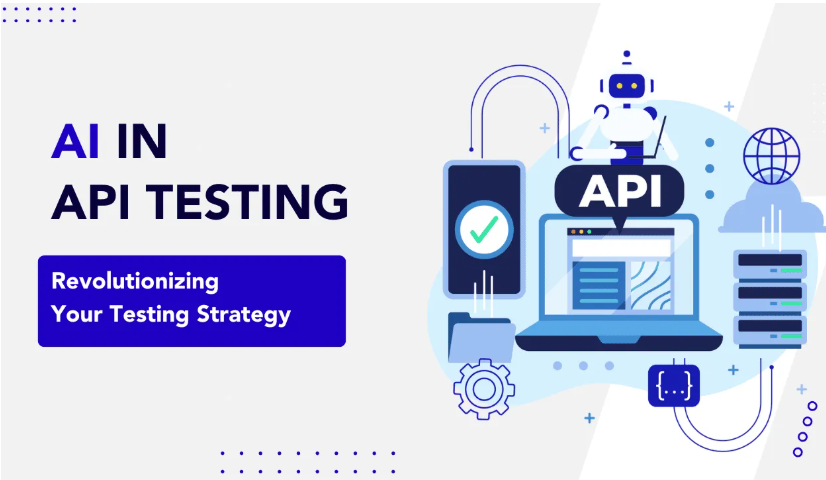
By the time you read this blog post, there will have been new developments in the industry. The more you try to catch up on it, the more you will realize that you’ve been more confused than ever.
The tech industry is blooming with what AI has to offer. Still, for many in the quality assurance and API testing space, the conversation has been dominated by a single, anxious question: “Will AI replace testers?”
While understandable, this fear misses the real story. The revolution isn’t about replacement; it’s about leveraging it.
AI is helping the role of a Tester/QA professional shift from a manual, struggling worker to a strategic one. It’s time to stop seeing AI as a threat and start seeing it for what it is and what it can do for a team that has never had adequate resources. This tool will show you how.
From Manual Testing to AI Collaborator
What it looked like not too long ago —and even now —much of a QA engineer’s time has been spent in a “scribe” model. You start by reading technical specifications, then manually translate business logic into test scripts, and spend countless hours maintaining those scripts when the application changes.
This work is essential, but most of us hate to label it; it’s draining and inefficient.
The “AI-Testing Tool” model changes this dynamic entirely. In this new shift, the human tester can provide strategic intent and deep domain knowledge, running all tests in a single place.
The End-To-End API testing tool, a specialized testing platform, handles the repetitive, boilerplate tasks—the “how.” Think of it as the difference between writing assembly code and using a modern IDE; the human is still in charge, but their productivity just got a significant boost.
Four Key Areas Where Your AI-Assisted API Testing Tool Shines
This tool isn’t theoretical. qAPI is already delivering massive value in four critical areas of API testing:
Automated Test Case Generation
- A human tester knows that a payment API needs more than a simple test. But writing tests for every edge case—invalid inputs, boundary conditions, bad requests—is incredibly time-consuming.
With qAPI, the AI can analyze an API’s contract (such as an OpenAPI or Postman specification) and instantly generate a comprehensive test suite covering dozens of positive, negative, and security-related scenarios you might miss or skip due to shorter deadlines.
- Intelligent Test Maintenance
Ask any SDET what their biggest time sink is, and they’ll likely say “test maintenance.” When a developer renames a field in an API response, it can break dozens of tests.
qAPI can detect this fault, understand the intent, and either automatically update the test cases or suggest a one-click fix. This cuts hours of frustrating blind debugging down to a minor, automated correction.
- Realistic Synthetic Data Creation
Robust testing will always require realistic data, but using production data raises security and privacy concerns, so teams often rely on generic test data to recreate user behavior.
qAPI can generate large volumes of context-aware virtual users. Need one thousand unique user profiles with valid but fake addresses and credit card numbers? Virtual users can be provided in seconds, enabling far more thorough data-driven testing. It’s far more affordable than other leading platforms.
- Accelerated Root Cause Analysis
When a complex, multi-step workflow fails, diagnosing the root cause can be a painstaking process of sifting through logs. qAPI can analyze and summarize the entire test execution. You can compare it to previous successful runs, and highlight the exact step and data point where the failure occurred. It can even help identify failures in a recent code change, reducing diagnosis time from hours to minutes.
A Practical Framework for Adopting AI in Your QA Practice
Evaluate Platforms, Not Prompts
Stop experimenting with ChatGPT for production tests. You need a purpose-built AI testing platform.
Your checklist:
- Does it auto-import API specs (OpenAPI/Swagger)?
- Can it automatically map dependencies between endpoints?
- Does it handle environments (Dev, Staging, Prod) without duplicating tests?
- Does it integrate natively with your CI/CD (Jenkins, GitHub Actions, GitLab)?
- Does it provide real-time dashboards and historical trends?
qAPI has it all. The key difference is that LLMs will give you a script. A platform provides a system with built-in version control, team collaboration, scheduling, and reporting.
Analogy: ChatGPT is asking a stranger for directions. A platform is Google Maps with live traffic, saved routes, and turn-by-turn navigation.
Step 2: Run a Focused Pilot on a Critical Workflow
Don’t try to automate everything. Pick one that can fit into your user journey for example:
- E-commerce: Checkout (Browse → Add to Cart → Payment → Order Confirmation)
- Healthcare: Patient Data Retrieval (Login → Search → View Records)
- Fintech: Money Transfer (Auth → Validate Account → Transfer → Confirmation)
Use your chosen AI platform to:
- Auto-generate the full test flow
- Add assertions (status codes, response times, data validation)
- Run it across Dev and Staging environments
- Schedule it to run on every commit
Timeline: Aim to have this live in 1–2 weeks.
Step 3: Measure Real Impact, Not Vanity Metrics
Don’t just count tests. Track value delivered.
Week 1 baseline (before AI):
- Time to build this workflow manually: 8 hours
- Maintenance after API changes: 3 hours/week
- Bugs found: 2
Week 4 results (with AI platform):
- Time to build: 45 minutes
- Maintenance: 20 minutes/week (self-healing handled most changes)
- Bugs found: 7 (better coverage caught edge cases)
Step 4: Communicate Wins in Business Language
Don’t say: “We automated 30 API tests using AI.”
Say: “We reduced payment API failure risk by 40%, saved the dev team 12 hours this month, and caught 5 bugs before production—including one that would have blocked checkout for international users.”
Numbers and Impact. Drives Business outcomes.
What this means for builders and users right now
For developers and testers, a tool focused on simplification, end-to-end testing, and multi-vertical growth could lower friction within applications, testing, and deployment frameworks—inputs that stabilize the problems faced in using different tools.
For users, the benefits show up in important ways: steadier timelines, fewer failed test cases, and more consistent APIs when moving data between ecosystems. If leadership follows through on the problems faced by teams and shifts their focus towards using tools like qAPI. Their entire development lifecycle can become both deeper and more predictable—especially when paired within their CI/CD pipelines.
The Future is Strategic and Simple
The future of QA isn’t about writing fewer tests; it’s about delivering more value with less work. By embracing AI as a co-pilot, you can free yourselve from the repetitive tasks that have historically consumed our time.
This allows us to focus on what humans do best: thinking critically about risk, understanding complex user behaviors, and ensuring that the software we ship not only works but delivers a truly excellent experience.
The most valuable QA professionals of the next decade will be those who learn to effectively pilot their AI companions.
While understanding the problem is the first step, using the right tools is what makes testing seamless. Managing cross-border payments, handling multiple conversions, and ensuring proper response times can be complex.
This is where a trusted API testing tool comes in. It’s time to save costs, reduce problems, simplify the testing process, and get a lot done in a short period of time —and it’s possible with qAPI. Do give it a try.
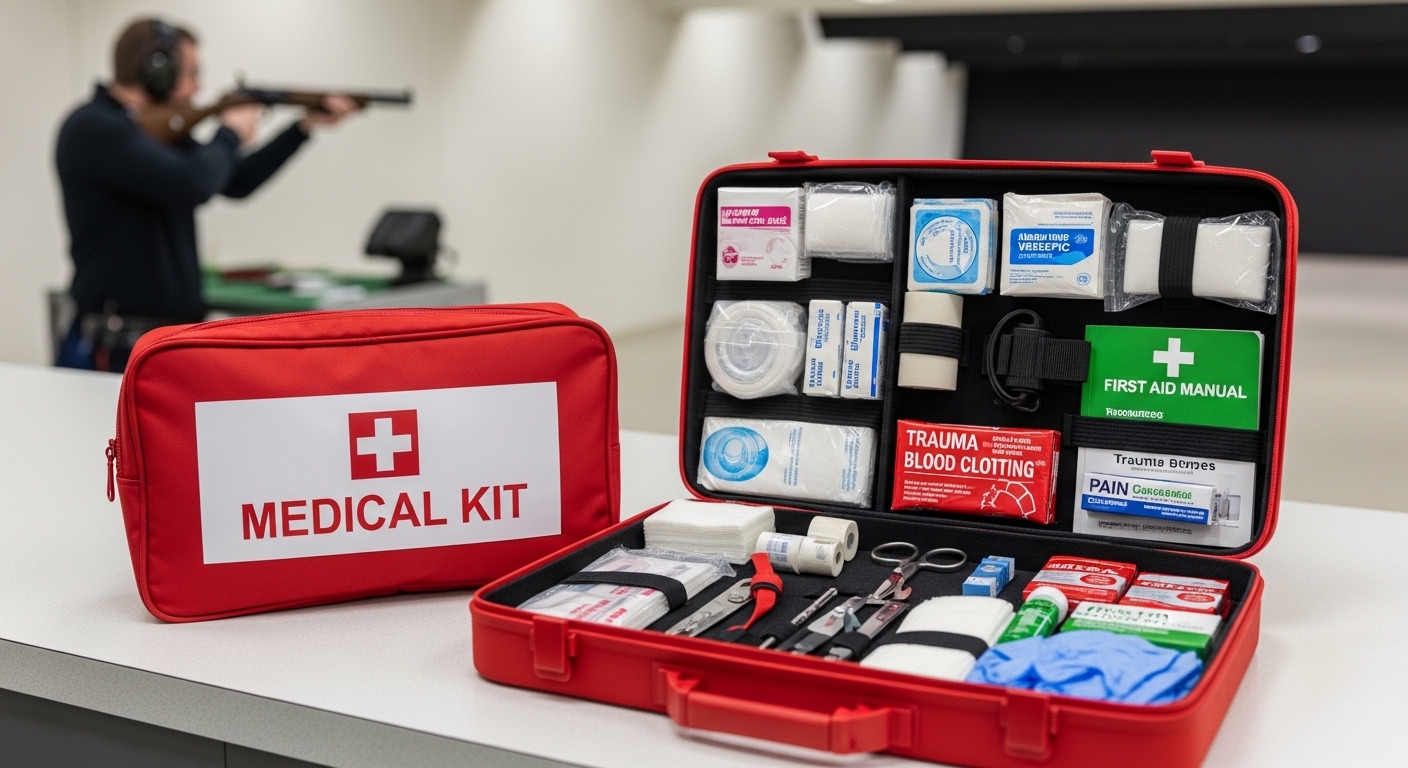
When you think about safety at a shooting range, what comes to mind first?
Probably proper firearm handling, eye protection, and ear defenders, right? And yes, ranges pour a lot of effort into things like noise reduction, ventilation, and having great range safety officers on duty.
But here’s the thing: one crucial piece of the puzzle often gets missed: truly comprehensive medical preparedness.
We’ve seen it time and again. A well-stocked, dedicated shooting range medical kit isn’t just about ticking a regulatory box; it’s a lifeline. It’s the essential safeguard that can literally change the outcome between a small mishap and a full-blown emergency.
Think about it – the unique environment of a shooting range presents challenges far beyond a typical office setting.
From minor brass burns and temporary hearing issues to, yes, even more serious firearm-related injuries, this environment demands specialized medical resources. A common mistake we see is facilities relying on basic first aid kits, the kind you’d find in an office. That leaves huge, potentially dangerous gaps in their emergency response.
That’s why our shooting range medical kits are designed specifically for firearms facilities. We don’t just guess; we’ve worked hand-in-hand with range operators, emergency medical professionals, and safety experts.
The goal? To develop comprehensive solutions that ensure your facility is genuinely prepared for any situation.
The Hidden Risks at Shooting Ranges
Shooting ranges, as we know, come with a unique set of potential medical emergencies. Standard first aid kits? They’re simply not built to handle these.
Understanding these specific risks is absolutely the first step toward proper preparation. So, what are we talking about?
- Firearm-Related Injuries: While thankfully rare when everyone follows safety protocols, accidents can happen. An accidental discharge or a ricochet incident can occur. When they do, you need immediate access to trauma supplies – we’re talking hemostatic agents and pressure dressings – right then and there.
- Burns and Abrasions: Hot brass casings are a fact of life at the range, and they frequently cause minor burns, especially on exposed skin. Shooters might also get abrasions from equipment or even just the range fixtures.
- Hearing and Vision Issues: Even with protective gear, sometimes things go wrong. Shooters might experience temporary hearing complications or eye irritation from powder residue and debris. It happens.
- Environmental Factors: Indoor ranges have their own challenges, like ventilation. Outdoor facilities? They’ve got to contend with heat exhaustion, insect stings, and all sorts of weather-related incidents. It’s a lot to consider.
- Cardiovascular Events: Let’s be honest, the combination of physical exertion, the stress of shooting, and often an older demographic means ranges must be prepared for cardiac emergencies. It’s a serious concern.
What Makes Our Medical Kits Different?
Our shooting range medical kits aren’t just a collection of basic bandages and antiseptic wipes.
Every single component has been meticulously chosen to address the exact scenarios that range operators and safety officers encounter day in and day out.
- Trauma-Ready Supplies: We include professional-grade hemostatic gauze, Israeli bandages, and tourniquets. These are critical tools for managing severe bleeding until emergency services can arrive. These aren’t just generic products; they’re the very same supplies trusted by military and law enforcement professionals. That means peace of mind for you.
- Specialized Burn Treatment Components: Our kits feature burn gel packets, non-adherent dressings, and cooling materials. These are specifically designed for treating the types of burns most common at shooting facilities. We’ve thought of everything.
- Eye and Ear Emergency Supplies: From eyewash stations to materials for managing hearing protection failures, we’ve included everything you could possibly need to address sensory emergencies quickly and effectively. Because every second counts.
- Cardiac Emergency Equipment: We offer optional AED integration and comprehensive cardiac emergency supplies. This ensures your facility can respond to even the most serious medical events. You don’t want to be caught unprepared.
- Environmental Protection: Depending on your facility type – indoor or outdoor, hot or cold – we can include supplies for heat-related illness, cold exposure, or insect sting reactions. We tailor it to your needs.
Beyond the Kit: Complete Medical Preparedness
Look, buying a shooting range medical kit is a fantastic start, but it’s just that – a start.
True medical preparedness requires a holistic approach that seamlessly integrates equipment, ongoing training, and clear protocols. It’s a system, not just a product.
Our service includes detailed guidance on where to place your kits throughout your facility. Medical supplies should be strategically positioned for rapid access from any shooting position, with clear, unmistakable signage indicating their location.
We’ll help you figure out the optimal number of kits based on your range size, layout, and how many people come through your doors.
And here’s why that’s so important: medical supplies have expiration dates, and trauma materials can degrade over time. Our subscription service ensures your kits remain fully stocked and completely up-to-date.
We’ll automatically replace expiring items and even update you when new, superior products become available. You don’t have to worry about it.
Training resources are included with every kit purchase. We offer guidance on how to conduct regular drills, making sure your staff knows exactly where supplies are and, crucially, how to use them effectively.
While we always recommend professional medical training for all range staff, our clear documentation and instructional materials provide essential information for those critical moments.
Investment in Safety, Investment in Success
Quality shooting range medical kits represent a surprisingly modest investment when you compare it to the potential costs of inadequate emergency preparedness.
Beyond the obvious moral imperative to protect your customers and staff, proper medical readiness offers tangible business benefits. It’s a win-win.
We’ve seen that insurance providers are increasingly recognizing facilities with comprehensive safety programs. What does that mean for you? Potentially, premium reductions! More importantly, a reputation for exceptional safety standards attracts discerning shooters – the ones who truly prioritize responsible range operations. They’ll choose you.
In the unfortunate event of a medical emergency, having appropriate supplies immediately available demonstrates your unwavering commitment to patron safety. And honestly, it can significantly impact liability considerations.
Documenting your proper medical preparedness shows you’ve taken every reasonable step to protect everyone at your facility. That’s powerful.
Customized Solutions for Your Facility
We get it: every shooting range operates differently. A small indoor pistol range has completely different needs than a sprawling outdoor rifle facility. And competition venues? They face unique challenges compared to training centers. There’s no one-size-fits-all.
That’s why our shooting range medical kits are available in multiple configurations, each one tailored to specific operational profiles.
We offer compact kits for smaller facilities, comprehensive multi-station packages for larger operations, and even specialized competition kits for tournament venues. We’ve got you covered.
Custom configuration is also available. If your range has unique characteristics, or if you’ve identified specific medical needs based on past incidents (we’ve all been there), we’ll work directly with you.
Our goal is to create a kit that addresses your exact requirements. It’s about precision.
Ready to Upgrade Your Safety Standards?
Shooting range medical kits ensure your facility is prepared for emergencies, providing essential tools and supplies for rapid response. Medical preparedness should never, ever be an afterthought. Having a specialized kit on hand helps protect staff, participants, and visitors in critical situations. Don’t you agree?
We’ve helped hundreds of ranges across the country enhance their safety protocols with purpose-built medical solutions. And you know what? Range operators consistently tell us they appreciate the peace of mind that comes from knowing they’re truly prepared for any emergency. That’s the real value.
Contact us today to discuss your facility’s specific needs. Our team will help you select the appropriate kit configuration and answer any questions you have about implementation, training, or maintenance.
Invest in safety – your shooters deserve nothing less. And frankly, so do you.

When it comes to precision in measurement, the term “kalibraatio” might not be on everyone’s radar. Yet, this Finnish word holds a vital place across various industries. Whether you’re in manufacturing, healthcare, or research and development, accurate measurements can make all the difference. They ensure safety, efficiency, and reliability—elements that are crucial for success.
Imagine navigating a complex world where every tiny error could lead to significant consequences. From ensuring medical devices deliver the correct dosage of medication to making sure industrial equipment operates at peak performance—kalibraatio is at the heart of it all. Understanding its importance can elevate your operations and set you apart from competitors.
The Importance of Accurate Measurements in Different Industries
Accurate measurements are crucial across various industries. In manufacturing, even slight deviations can lead to defective products. This not only wastes materials but also affects customer satisfaction.
In healthcare, precise measurements ensure patient safety. Incorrect dosages of medication can have serious consequences. Reliable calibration is essential for medical devices used in diagnostics and treatment.
The food industry also relies on accuracy. From ingredient weights to cooking temperatures, precision ensures quality and compliance with safety regulations. Any miscalculation can compromise health standards.
In the construction sector, accurate measuring tools guarantee structural integrity. Engineers depend on exact dimensions to create safe buildings and infrastructure.
Each field has unique demands for measurement accuracy, highlighting its universal importance in maintaining quality and trustworthiness in products and services offered to consumers.
Types of Calibration Services Available
Calibration services come in various forms, tailored to meet the needs of different industries. One common type is dimensional calibration, which measures physical dimensions like length and width with precision tools.
Then there’s electrical calibration, focusing on testing and adjusting devices that measure voltage, current, or resistance. This ensures safety and reliability in electronic systems.
For industries relying heavily on temperature control, thermal calibration plays a vital role. It verifies that thermometers and other sensors provide accurate readings under specific conditions.
Additionally, pressure calibration is essential for equipment measuring gas or liquid pressures. Accurate results can prevent operational failures in critical processes.
Flow meter calibration checks the accuracy of devices measuring fluid movement. Precision here directly impacts product quality and operational efficiency across sectors.
Benefits of Regular Calibration
Regular calibration ensures that your instruments provide precise measurements. This accuracy is essential for quality control and compliance with industry standards.
By investing in routine calibration, businesses can minimize errors. Reduced inaccuracies lead to fewer product recalls, saving both time and resources.
Additionally, calibrated equipment often lasts longer. Regular checks can identify wear and tear early on, preventing costly breakdowns down the line.
Another benefit lies in enhanced customer trust. Consistent performance demonstrates reliability, fostering stronger relationships with clients and stakeholders.
Many regulatory bodies require regular calibration as part of their guidelines. Adhering to these requirements helps organizations avoid penalties while maintaining a solid reputation within their industries.
Choosing the Right Calibration Service Provider
Selecting the right calibration service provider is crucial for maintaining accuracy in your measurements. Start by researching their credentials and certifications. A reputable provider should have industry-specific qualifications.
Next, consider their experience. Look for a company with a solid track record in your field. This ensures they understand the unique challenges you face.
Customer support plays an essential role too. Choose a provider that offers responsive communication and guidance throughout the calibration process.
Don’t overlook technology either. Advanced tools can enhance precision and reliability in calibrating instruments.
Evaluate customer reviews and testimonials to gauge satisfaction levels among previous clients. Their feedback can provide insights into what you might expect from the service provider you’ve shortlisted.
Case Studies: Real-Life Examples of the Impact of Kalibraatio
One notable example of kalibraatio’s impact can be seen in the pharmaceutical industry. A leading manufacturer faced significant discrepancies in their dosage measurements, which threatened patient safety. By implementing a robust calibration program, they improved measurement accuracy. This led to enhanced product quality and boosted regulatory compliance.
In the aerospace sector, another case illustrates the importance of precise calibration. An aircraft maintenance team discovered that miscalibrated tools were causing delays in inspections and repairs. After recalibrating their instruments regularly, turnaround time decreased dramatically, resulting in increased efficiency and reduced costs.
In food processing, a company struggled with inconsistent product weights due to faulty scales. Regular kalibraatio not only ensured adherence to regulations but also resulted in fewer customer complaints regarding portion sizes.
These examples highlight how essential accurate measurements are across various industries and illustrate the transformative power of effective calibration practices.
Future Developments in Calibration Technology
The landscape of calibration technology is evolving rapidly. Innovations like smart sensors and IoT connectivity are paving the way for more precise measurements.
Predictive analytics is another exciting development. This approach anticipates potential issues before they arise, minimizing downtime in various industries.
Moreover, automation in calibration processes enhances efficiency. Robotics can perform routine tasks with greater accuracy than ever before.
Machine learning algorithms analyze vast datasets to improve measurement reliability continuously. They adapt and learn from past calibrations, ensuring better outcomes over time.
As these technologies advance, remote calibration services will become commonplace. Technicians could manage equipment from afar, reducing travel costs and time delays while maintaining standards.
These advancements promise not only increased accuracy but also a more streamlined approach to quality control across sectors.
Conclusion
Kalibraatio plays a vital role across various industries. The accuracy of measurements can significantly impact product quality, safety, and compliance with regulations. By utilizing precise calibration services, businesses not only enhance their operations but also build trust with customers.
Understanding the different types of calibration services available ensures that companies select appropriate methods for their specific needs. Regular calibration is essential to maintain equipment performance and reliability over time. Choosing the right service provider can make all the difference in achieving accurate results.
Are you ready to dive into the world of Treamweast? This innovative platform has been making waves, especially among beginners eager to expand their skills and knowledge. Whether you’re looking for guidance in a new hobby or trying to enhance your professional journey, Treamweast is here to help. With a wealth of resources at your fingertips, embarking on this journey can be both exciting and transformative. Let’s explore what makes Treamweast the ultimate resource for newcomers like you!
The History of Treamweast
Treamweast began as a small community project aimed at helping individuals learn new skills. Founded by passionate educators and tech enthusiasts, it quickly gained traction among users seeking accessible resources.
In its early days, Treamweast focused on providing simple tutorials and guides. The platform’s user-friendly design made it easy for beginners to navigate through various topics, from cooking to coding.
As demand grew, so did the offerings. Treamweast expanded its content library with videos, interactive courses, and expert-led webinars. This evolution transformed the platform into a comprehensive learning hub.
Through collaboration with industry professionals and feedback from users, Treamweast continually adapted its features to meet diverse needs. Today, it stands as a go-to resource for anyone eager to embark on their learning journey.
How Treamweast Works
Treamweast operates through a user-friendly interface designed for beginners. You can easily navigate its features without any prior experience.
Once you sign up, you’ll encounter a dashboard that presents various tools and resources tailored to your needs. This allows for seamless exploration of its functionalities.
The platform leverages advanced algorithms to analyze data and provide insights. Users input their preferences, and Treamweast processes this information to suggest optimal strategies.
Real-time feedback helps users track progress effectively. Adjustments can be made quickly based on performance metrics provided by the system.
Additionally, Treamweast fosters community engagement through forums and discussion boards. This feature enables users to share experiences and learn from each other’s successes or challenges, enhancing the overall learning experience.
Features and Benefits of Treamweast
Treamweast offers a plethora of features designed to enhance your experience. Its user-friendly interface makes navigation simple, even for beginners. You won’t feel overwhelmed as you explore various tools and resources.
One standout benefit is Treamweast’s comprehensive training modules. These provide step-by-step guidance tailored for newcomers, ensuring that you build a solid foundation.
The community aspect of Treamweast cannot be overlooked. Connecting with fellow users fosters collaboration and support, enriching your learning journey while making it enjoyable.
Additionally, customizable settings allow you to tailor the platform to fit your unique needs. This personalization ensures that you’re always working in an optimal environment for success.
Access to analytics also empowers users by providing crucial insights into progress over time. Understanding these metrics helps fine-tune strategies effectively.
Success Stories from Treamweast Users
Users of Treamweast have shared incredible experiences that highlight the platform’s effectiveness. One user, a budding artist, leveraged Treamweast to enhance their online presence. They transformed their passion into a thriving business by using the tools provided.
Another success story comes from a small retail owner who struggled with foot traffic. By utilizing Treamweast’s marketing strategies, they increased engagement and saw sales skyrocket within weeks.
A fitness coach also found great value in connecting with clients through customized programs offered on Treamweast. Their client base expanded rapidly as word spread about the tailored approach.
These stories show how diverse individuals harnessed the power of Treamweast to achieve personal and professional milestones. Each journey is unique but showcases a common thread: growth fueled by innovation and support from this remarkable platform.
How to Get Started with Treamweast
Getting started with Treamweast is simple and straightforward. First, visit the official website to create your account. You’ll need to provide some basic information, including your email and a strong password.
Once registered, take a moment to explore the user-friendly interface. Familiarize yourself with different sections available on the platform. This will help you navigate seamlessly as you dive into its offerings.
Next, check out tutorials or webinars provided by Treamweast. These resources can give you insights into maximizing your experience right from the start.
Don’t forget to set clear goals for what you want to achieve using Treamweast. Whether it’s learning new skills or enhancing existing ones, having specific objectives will guide your journey effectively.
Join community forums or social media groups related to Treamweast users. Engaging with others can provide valuable tips and motivation along the way.
Tips for Maximizing Your Results with Treamweast
To truly harness the power of Treamweast, start by setting clear goals. Define what you want to achieve and keep those objectives in mind as you navigate the platform.
Engage with the community. Join forums or social media groups related to Treamweast. Connecting with experienced users can provide insights that accelerate your learning curve.
Experiment with different features. Don’t hesitate to try out various tools within Treamweast. This hands-on approach will help you discover what works best for your needs.
Track your progress regularly. Monitor key metrics and outcomes associated with your use of Treamweast. This will allow you to adjust strategies promptly and effectively.
Don’t shy away from asking for feedback. Utilize resources available on the platform, such as tutorials or customer support, to refine your skills and enhance results further.
Conclusion
Treamweast has emerged as a game-changer for beginners looking to navigate the complexities of various subjects. With its rich history, user-friendly mechanics, and impressive features, it stands out as an essential tool in any learner’s toolkit.
Users have shared inspiring success stories that highlight how Treamweast has transformed their learning experiences. From mastering new skills to gaining confidence in their abilities, the platform fosters growth and development.
Getting started with Treamweast is straightforward. The intuitive interface guides users through each step, making onboarding seamless. By taking advantage of tips and best practices shared by experienced users, newcomers can amplify their results.
-

 HEALTH2 years ago
Transformative Health Solutions: Unveiling the Breakthroughs of 10x Health
-

 GENERAL2 years ago
Discovering the Artistic Brilliance of Derpixon: A Deep Dive into their Animation and Illustration
-

 Posts2 years ago
Siegel, Cooper & Co.
-

 Lifestyle2 years ago
Purenudism.com: Unveiling the Beauty of Naturist Lifestyle
-

 FASHION2 years ago
The Many Faces of “λιβαισ”: A Comprehensive Guide to its Symbolism in Different Cultures
-

 Lifestyle2 years ago
BaddieHub: Unleashing Confidence and Style in the Ultimate Gathering Spot for the Baddie Lifestyle
-
 Entertainment2 years ago
Geekzilla Podcast: Navigating the World of Pop Culture, Gaming, and Tech
-

 Lifestyle2 years ago
Sandra orlow: Unraveling the Story of an Iconic Figure