
BUSINESS
Finding Financial Breathing Room: Debt Relief Options for Retirees

If you’ve ever wondered whether debt discharge for retirees is really possible, the short answer is yes, but there’s more to the story. Retirement is supposed to be a time of rest, reflection, and enjoying life at a gentler pace. For many, that vision gets clouded by lingering debt, rising expenses, or an unexpected financial hit. Whether it’s medical bills piling up, helping adult children through tough times, or just trying to stretch a fixed income a little further each month, it’s not uncommon for retirees to find themselves squeezed financially.
What might surprise some is just how many options exist to help ease that burden. Debt relief for retirees isn’t a one-size-fits-all approach. It ranges from restructuring payment plans to seeking full or partial discharge through legal processes. The key lies in knowing where to look, how to act, and when to get support from someone who understands the landscape.
The Growing Reality of Retiree Debt
It’s easy to assume retirement comes with fewer financial demands, but the numbers say otherwise. More retirees today carry credit card balances, medical debt, and even mortgages into retirement than ever before. Add in inflation and longer life expectancies, and suddenly retirement savings may not stretch as far as once expected.
Living on Social Security or a pension can work just fine until a major expense hits. One hospital visit or a new prescription could throw the entire budget into chaos. And when minimum payments barely cover interest, that mountain of debt just keeps growing.
Reframing Bankruptcy as a Tool, Not a Failure
Let’s be real. The word “bankruptcy” carries a weight that makes people uneasy. But for retirees, it can serve as a protective tool more than anything else. Used wisely, it’s not a sign of defeat. It’s a legal path toward regaining control.
There are two common types of bankruptcy available to individuals: Chapter 7 and Chapter 13. Each serves a different purpose and comes with specific benefits depending on the retiree’s financial situation.
Chapter 7 is often what people think of when they hear “bankruptcy.” It involves liquidating non-exempt assets to pay creditors, but in most retiree cases, assets like Social Security, pensions, and qualified retirement accounts are protected. This type of filing can lead to full debt discharge, giving a clean slate relatively quickly, often within a few months.
Chapter 13, on the other hand, is more of a reorganization. It sets up a manageable repayment plan over three to five years, allowing individuals to catch up on debt without losing important assets like a home. It can be especially helpful for retirees who have a steady source of income but have fallen behind on bills.
Social Security, Pensions, and Protection
One of the most common questions out there is whether Social Security or pensions can be taken to pay off debts. The good news is, in most cases, Social Security income is protected from creditors. Federal law shields those benefits from garnishment except in cases involving specific debts like child support or federal taxes.
The same generally applies to qualified retirement accounts such as 401(k)s and IRAs, which are also protected up to certain limits under federal bankruptcy laws. This means a retiree can file for bankruptcy while still maintaining essential retirement income streams.
That said, the way money is stored or used can affect protection. Once Social Security funds are mixed into a regular checking account, they can lose that protection unless it’s clearly tracked. Proper legal guidance can help structure finances to keep them safe.
Non-Bankruptcy Alternatives Worth Exploring
Not every retiree facing debt needs to file bankruptcy. Sometimes, a less dramatic approach can offer relief without court involvement. Here are a few realistic alternatives worth considering:
- Credit Counseling:
Nonprofit credit counseling agencies can help assess the full financial picture and assist in creating a debt management plan. This often includes negotiating lower interest rates with creditors and consolidating payments into one monthly amount. - Debt Settlement:
In some cases, creditors may agree to accept less than the full balance owed. This typically involves a lump-sum payment and can reduce overall debt, though it may negatively affect credit scores. - Loan Modification:
For those with a mortgage, reaching out to the lender for a modification could lead to reduced monthly payments, interest rates, or extended terms. Some lenders offer hardship options specifically for seniors on fixed incomes. - Reverse Mortgage (with caution):
While not ideal for everyone, a reverse mortgage allows homeowners aged 62 or older to tap into their home equity without monthly repayments. The money can be used to pay off other debts, though it’s important to understand the long-term implications and fees involved. - Budget Review and Expense Cutting:
It sounds simple, but a fresh look at spending can uncover unnecessary costs. Sometimes small changes, like eliminating subscription services or switching insurance providers, can free up the funds needed to stay ahead of debt.
Emotional Weight and Decision Fatigue
Debt doesn’t just affect the wallet. It weighs on mental health, strains relationships, and can make the golden years feel anything but peaceful. One of the most difficult parts is simply deciding what to do next. Many retirees feel guilty, ashamed, or hesitant to ask for help.
But here’s something often overlooked: creditors and courts don’t expect perfection, just honest effort. Taking the first step toward a solution, even if it’s just a phone call to a bankruptcy attorney or credit counselor, can lift a surprising amount of emotional weight.
That’s why having access to professional legal guidance matters. It’s not just about paperwork. It’s about having someone who can calmly explain the options, break down complicated rules, and ensure that retirees don’t accidentally put protected assets at risk.
What to Expect When Talking to a Bankruptcy Lawyer
It’s completely normal to feel nervous about meeting with a bankruptcy lawyer. But the conversation might be more straightforward than expected. Most consultations start with a review of income, assets, debts, and expenses. The goal is to paint a clear picture of financial health and evaluate the best option moving forward.
No one is pushed into filing. A good attorney will explore all available paths and make sure clients understand both the pros and the potential drawbacks of each route. Whether bankruptcy is the right choice or not, that first meeting can be a turning point toward clarity and confidence.
Looking Ahead: Retiring Without the Burden
It’s never too late to build a more secure financial future. Whether someone is 65 or 85, facing down debt doesn’t have to mean giving up everything they’ve worked for. Many retirees find that once the weight of debt is lifted, even partially, it opens the door to a new kind of freedom.
Finding financial breathing room isn’t just about crunching numbers. It’s about creating peace of mind, protecting essentials, and making sure the years ahead are lived on personal terms, not dictated by past obligations.
The tools are out there. From debt discharge for retirees to manageable repayment plans and asset protection strategies, there’s a roadmap for almost every situation. The most important step is simply refusing to go it alone.
In today’s fast-paced world, customer experience (CX) has emerged as a vital ingredient for business success. Companies that prioritize CX not only stand out from the competition but also build lasting relationships with their customers. But what does it take to elevate your customer experience to new heights? Enter BinusCX—a groundbreaking approach designed to innovate and enhance every interaction between businesses and their clients.
Whether you are a seasoned entrepreneur or just starting on your business journey, understanding how BinusCX can reshape your strategy is essential. Get ready to dive into the essentials of this transformative tool, explore its key features, and discover real-world examples of companies reaping its benefits!
Understanding Customer Experience (CX)
Customer experience (CX) refers to the overall perception customers have of a brand based on their interactions. It encompasses every touchpoint, from initial awareness to post-purchase engagement.
At its core, CX is about understanding and meeting customer needs. This means listening actively and responding effectively at each stage of the buyer journey.
A great CX goes beyond mere satisfaction; it creates emotional connections that foster loyalty. Customers who feel valued are likelier to return and recommend your brand.
In today’s digital landscape, expectations are higher than ever. Consumers seek personalized experiences that resonate with them individually.
Businesses need to embrace this shift by creating seamless journeys across multiple channels—whether online or offline. By doing so, they can turn casual buyers into passionate advocates for their brands, paving the way for long-term success in an increasingly competitive market.
The Importance of CX in Business Success
Customer experience (CX) is a vital driver of business success in today’s competitive landscape. Companies that prioritize CX often see enhanced customer loyalty and increased revenue. Satisfied customers are more likely to return and recommend your brand to others.
Moreover, positive experiences can set you apart from competitors. In markets saturated with similar products, exceptional CX becomes a key differentiator. It fosters trust and emotional connections between the consumer and your brand.
Investing in CX not only boosts satisfaction but also reduces churn rates. When customers feel valued, they are less inclined to switch brands for minor advantages elsewhere.
Additionally, effective customer experience strategies provide valuable insights into consumer behavior. Understanding preferences helps businesses adapt their offerings to meet evolving demands, ensuring long-term growth and sustainability within the market.
What is BinusCX and How Does it Work?
BinusCX is an innovative platform designed to enhance customer experience across various business sectors. It leverages advanced technology to streamline interactions between companies and their customers.
The platform uses data analytics to gain insights into customer behavior. This allows businesses to tailor their services for better engagement. By identifying trends, BinusCX helps organizations anticipate needs before they arise.
Users can access multiple tools within the platform. These include feedback loops, journey mapping, and performance metrics. Each feature empowers teams to make informed decisions based on real-time information.
Integration with existing systems is seamless, ensuring that businesses don’t face disruption during implementation. With BinusCX, companies can foster a culture of continuous improvement in customer relations while staying ahead of market demands.
Key Features and Benefits of BinusCX
BinusCX stands out with its user-friendly interface, making it easy for businesses to navigate. This simplicity encourages teams to engage more deeply with the platform.
Another key feature is real-time analytics. Companies can track customer interactions as they happen, allowing for swift adjustments in strategy. Data-driven decisions become a breeze.
Customization options are abundant, enabling brands to tailor their CX solutions according to specific needs. This flexibility is crucial in today’s diverse market landscape.
Moreover, BinusCX promotes seamless integration with existing systems. Businesses can enhance their current workflows without disruptive overhauls or significant downtime.
Collaboration tools within BinusCX foster teamwork among departments. A unified approach ensures that everyone from marketing to support works toward a shared vision of exceptional customer experience.
Continuous updates and enhancements keep the platform ahead of industry trends, ensuring users benefit from the latest innovations in customer experience management.
Case Studies: How Companies Have Utilized BinusCX to Improve CX
Several companies have successfully harnessed the power of BinusCX to elevate their customer experience.
A leading retail brand utilized BinusCX analytics to identify pain points in their shopping journey. By implementing personalized recommendations, they saw a 20% increase in conversion rates within just three months.
In the hospitality sector, a hotel chain adopted BinusCX for real-time feedback from guests. This proactive approach enabled them to address complaints immediately, resulting in increased guest satisfaction scores and positive reviews across online platforms.
Another tech startup integrated BinusCX to streamline its customer support process. With automated responses and an intuitive interface, response times decreased by over 30%, allowing agents to focus on complex issues.
These case studies illustrate how diverse industries leverage BinusCX as a catalyst for improvement. Each organization was able to tailor strategies that align with their unique goals while enhancing overall engagement with customers.
Implementation and Integration of BinusCX in Your Business
Implementing BinusCX in your business can be a transformative experience. Start by evaluating your current customer experience strategy. Identify areas that need improvement, and set clear goals for what you want to achieve with BinusCX.
Next, integrate the platform with your existing systems. This could involve syncing tools like CRM software or marketing automation platforms. Seamless integration is crucial for maximizing efficiency.
Training your team is essential as well. Ensure they understand how to use BinusCX effectively and are familiar with its features. Conduct workshops or provide resources to facilitate this learning process.
Monitor progress regularly. Use data analytics provided by BinusCX to assess improvements in customer satisfaction and engagement levels. Continuous assessment will help refine strategies over time, ensuring long-term success in enhancing customer experiences.
Conclusion
Customer experience is a vital aspect of any successful business strategy. Understanding and enhancing CX can lead to lasting customer loyalty, increased revenue, and a strong market presence. BinusCX emerges as an innovative solution in this landscape, offering tools designed for businesses eager to elevate their customer interactions.
The platform’s features provide powerful insights that guide companies towards making informed decisions. By leveraging data analytics and user-friendly interfaces, BinusCX empowers organizations to understand their customers better than ever before.
As illustrated through various case studies, many businesses have transformed their CX practices by integrating BinusCX into their operations. The results speak volumes: improved satisfaction rates and higher retention levels showcase the tangible benefits of adopting this approach.
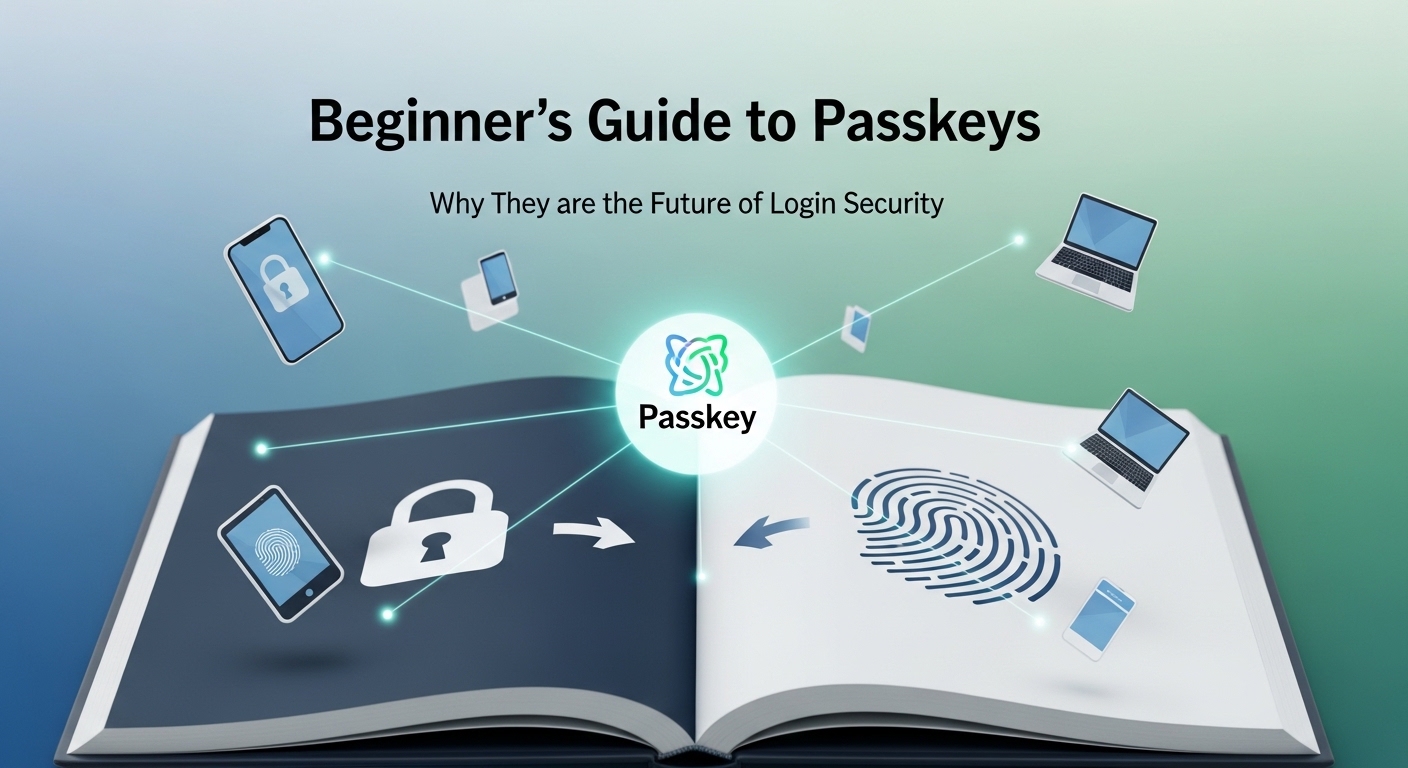
Passkeys have become the reason that the days of memorising long passwords are behind us. Authentication is now safer, more seamless, and a little more sophisticated. Understanding what is passkey, and how it works on a fundamental level is important for anyone who is doubtful about its usability. While the term and the process itself might seem very technical, it’s quite simple—and that is what we’ll explain in this blog.
How Passkeys Work (Without the Tech Jargon)
To explain it simply, a passkey is like a digital handshake between your device and the service that you’re logging into. Step by step, here’s how it looks:
- You register, and your device generates both a public and a private key.
- The private key is on your device and stays there. It is not accessible to anyone else.
- The public key, on the other hand, is shared with the service, so it’s in the server.
When you log in, the service sends a cryptographic challenge that only a private key can sign. This signed challenge is then sent back to the server, which verifies it using the corresponding public key. At no point in this process is a traditional password generated, shared, or stored externally. This explains What is passkey in practice—a secure authentication method where credentials remain protected on the user’s device, making them immune to interception, phishing, or credential theft.
To make the correlation easier to understand, think of it like proving ownership of a safe without opening it. The server knows that it belongs to you, and no one else can open it. So you intermediate a process that is secret to the two of you.
Why Hackers Can’t Steal What You Don’t Know
Passkeys have an innate advantage—they are inherently phishing-resistant. Traditional credentials, such as passwords, can be stolen through fake or look-alike websites, but passkeys are cryptographically bound to the correct origin. This is a key part of what is passkey security. Even if a user is tricked into visiting a malicious site, the private key stored on the device will refuse to authenticate because the domain does not match the registered public key, effectively blocking phishing attacks at the source.
The thing with passwords is that if you guess the correct one, you have access to what you’d call basically the whole online presence of a person. Passkeys, on the other hand, cannot be used like that.
One, each login uses a unique cryptographic challenge, so even if a response were intercepted, it couldn’t be reused. Secondly, the private key never works in isolation—authentication is only possible when the server verifies it against the matching public key. The design works on a very fundamental security model. So instead of relying on human vigilance and hackers benefiting from the fatigue of it, this cryptographic system helps you stay secure with minimal effort.
One Key, All Devices
One concern with device-bound credentials is mobility. Modern passkey systems solve this with secure syncing.
- Passkeys can move across devices within a trusted ecosystem.
- The private key can be securely synced across trusted devices using end-to-end encrypted cloud services, without exposing it in readable form.
- When you log in from a new device, the system verifies your identity and provisions access without exposing the private key.
This means your passkey is portable but never exposed, allowing smooth access from phones, tablets, laptops, or desktops.
What If You Lose Your Phone? What’s the Recovery Process
This is a common concern, but Passkey anticipates it. Recovery can be done via trusted backup devices and cloud-synced credentials.
- If one device is lost, your other devices or secure cloud backups can generate a new key pair.
- The old key is revoked, preventing unauthorised access.
- Recovery is user-driven but cryptographically enforced, ensuring security isn’t compromised even during emergencies.
This approach removes the fear of being locked out and losing your data. This thing is common with both passwords and passkeys; they’re recoverable.
Goodbye MFA, Speeding Up Your Login Without Losing Safety
Passkeys combine authentication and verification in one step, removing the need for separate multi-factor prompts, such as SMS codes or authenticator apps, in many cases.
- Device authentication (biometric or PIN) acts as both “something you have” and “something you are”.
- This simplification reduces friction without reducing security.
- Users can authenticate in seconds while organisations maintain cryptographically strong login guarantees.
Essentially, passkeys achieve passwordless, MFA-equivalent security automatically.
Setting the Foundation: What You Gain From Using Passkeys
By understanding and adopting passkeys, users and organisations benefit from:
- Elimination of shared secrets, making stolen passwords obsolete.
- Strong cryptographic authentication that is origin-bound and phishing-resistant.
- Seamless multi-device access without compromising security.
- Streamlined user experience, removing friction from login flows.
- Passkeys help organisations meet modern authentication and security control requirements found in many compliance frameworks.
These features make passkeys not just a replacement for passwords but a redefinition of digital identity itself.
Conclusion
By now, you know the answers to – What is passkey and how can it benefit you? Passkeys can provide a stronger, faster, and more intuitive alternative to traditional passwords in terms of authentication. They are smart, reliable, and require minimal effort from your end. Remembering passwords can be a hassle, and that is something you do not have to worry about anymore. Passkeys do the heavy lifting for you, here

Companies deal with unpredictable pipelines more often than they’d like. One month looks great, the next one is quiet. That kind of inconsistency slows growth and makes forecasting tough. Lead generation packages solve this by providing businesses with a repeatable, structured system rather than scattered efforts. You get clarity on what’s being done, who’s being targeted, and when results should show up.
What’s Typically Included in B2B Lead Generation Packages
A solid package covers every step required to find and engage the right buyers. It keeps outreach unified, consistent, and tied to your Ideal Customer Profile.
- Prospect research & ICP refinement: This begins with defining the right prospects. A team reviews your ICP, analyzes markets, and builds targeted lists of decision-makers. The goal is to make sure outreach focuses on companies that actually match your offer.
- Multi-channel outreach (email, LinkedIn, calls): Reaching prospects through several channels increases response rates. Packages usually include coordinated outreach via email, LinkedIn, and phone, ensuring your message reaches prospects where they prefer to communicate.
- Messaging creation & personalization: Strong outreach depends on relevant, human-sounding messaging. Teams write email sequences, LinkedIn scripts, and calling guides tailored to your industry. Personalization is added to help you stand out from generic campaigns.
- Data validation, enrichment, and QA: Good data is at the core of predictable results. Every contact is checked, verified, and enriched to reduce bounce rates and avoid wasted outreach. Ongoing QA keeps campaigns clean and compliant.
Learn more about the key cost drivers behind lead generation services, how different package tiers influence overall spend, and what factors businesses should evaluate before choosing an option.
Types of Lead Gen Packages
Lead generation isn’t one-size-fits-all. Different companies have different levels of readiness, sales cycles, and goals, so packages are built to match those stages. Below are the three most common options, along with the types of businesses they’re designed for.
Pilot Package
A pilot package is the safest starting point for teams that want to test outbound without committing to a long-term plan. It’s ideal for companies that are exploring a new ICP, entering a fresh market, or simply unsure how well outbound will work for their offer.
This option usually runs for one to two months and focuses on a smaller volume of outreach. The goal is fast learning. You see which messaging resonates, which titles get the most replies, how long the sales cycle feels, and whether your product speaks to the prospects you’re targeting.
The pilot package works especially well for startups, companies launching new products, or B2B teams that have relied primarily on referrals and inbound and want to add outbound without risk.
Growth/Business Package
The business growth package is for companies that already know their ICP and want predictable monthly meetings. It’s built for teams that need stability: steady outreach, steady performance, and a precise monthly flow of qualified conversations.
This package usually includes larger volumes of research, multi-channel outreach, richer personalization, and ongoing optimization. It’s the sweet spot for most B2B companies.
Sales teams benefit the most here: SDRs get a reliable stream of leads instead of scrambling for prospects, and founders no longer rely on sporadic outreach. If your next step is scaling revenue, increasing deal flow, or shortening the gap between closed deals, this package is a strong fit.
Enterprise Package
Enterprise packages are built for companies with broad territories, complex buyer journeys, or aggressive growth goals. They’re designed for teams that need outbound running across multiple markets, industries, or product lines simultaneously.
These packages handle high outreach volumes, deeper levels of research, and custom workflows integrated with internal systems. They often include multiple SDRs, multilingual outreach, advanced reporting, and detailed performance tracking.
Enterprise fits companies with mature sales operations, larger teams, or VP-level growth targets where consistency, scale, and cross-market coverage are non-negotiable. It’s the best choice for organizations that treat outbound as a long-term engine rather than a temporary boost.
Key Factors to Consider When Choosing a Package
Choosing the right lead generation package comes down to understanding what your team needs today and what will matter in a few months. A package should match your goals, support your sales process, and give you the level of control you want over results. Here are the core factors to look at before committing to anything:
- Monthly lead/meeting volume: Ensure it aligns with your sales capacity. Too few meetings slow growth, but too many can overwhelm a small team. The right package fits your bandwidth and revenue targets.
- Channel mix: Effective outbound uses multiple channels. Packages that combine email, LinkedIn, and phone outreach usually bring stronger response rates. Check if the provider adapts the mix to your audience.
- Quality of data and research standards: Strong results depend on accurate contact data. Look for manual research, verification steps, and clear QA practices. Poor data leads to bounces, low reply rates, and wasted time.
- Industry-specific expertise: If your market is niche or technical, the team running your outreach should understand it. Familiarity with your industry improves messaging, targeting, and overall performance.
When these factors align, a lead generation package becomes a reliable growth engine rather than an experiment.
Conclusion
Structured packages give companies a clear path to steady growth. Instead of chasing inconsistent outreach or guessing what to try next, you get a system that delivers qualified conversations every month. The research, messaging, outreach, and reporting all work together, making results easier to track and improve.
-

 HEALTH2 years ago
Transformative Health Solutions: Unveiling the Breakthroughs of 10x Health
-

 GENERAL2 years ago
Discovering the Artistic Brilliance of Derpixon: A Deep Dive into their Animation and Illustration
-

 Posts2 years ago
Siegel, Cooper & Co.
-

 Lifestyle2 years ago
Purenudism.com: Unveiling the Beauty of Naturist Lifestyle
-

 FASHION2 years ago
The Many Faces of “λιβαισ”: A Comprehensive Guide to its Symbolism in Different Cultures
-

 Lifestyle2 years ago
BaddieHub: Unleashing Confidence and Style in the Ultimate Gathering Spot for the Baddie Lifestyle
-
 Entertainment2 years ago
Geekzilla Podcast: Navigating the World of Pop Culture, Gaming, and Tech
-

 Lifestyle2 years ago
Sandra orlow: Unraveling the Story of an Iconic Figure