
HEALTH
Exploring Greens Powder: A Comprehensive Guide to Athletic Greens

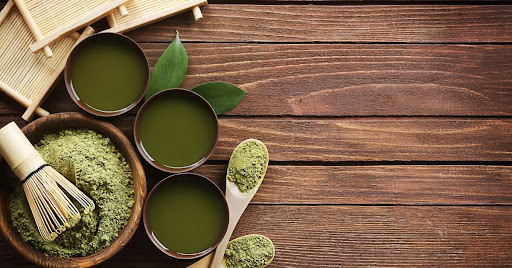
Greens powders, particularly Athletic Greens, have gained popularity as convenient ways to supplement daily nutrition. Packed with vitamins, minerals, antioxidants, and digestive enzymes, these powders offer a concentrated dose of plant-based nutrients. Whether you’re an athlete looking to enhance performance or someone seeking a convenient way to boost overall health, understanding the benefits and considerations of Athletic Greens can help you make informed choices about your nutrition regimen.
What is Athletic Greens?
Athletic Greens is a premium greens powder designed to support comprehensive nutrition. It blends various superfoods, including spirulina, chlorella, spinach, and kale, into a convenient powder form. This blend aims to provide essential nutrients that may be lacking in a typical diet, promoting overall wellness and vitality.
Key Benefits of Athletic Greens:
- Nutrient Density: Athletic Greens packs a wide array of vitamins, minerals, and phytonutrients into each serving, supporting immune function, energy levels, and overall health.
- Convenience: As a powdered supplement, Athletic Greens can be easily mixed with water or added to smoothies for a quick and nutritious boost on-the-go.
- Digestive Support: The formula includes digestive enzymes and probiotics to support gut health and nutrient absorption, aiding in digestion and reducing bloating.
- Antioxidant Protection: Rich in antioxidants like vitamin C and E, Athletic Greens helps combat oxidative stress and supports cellular health.
How to Incorporate Athletic Greens into Your Routine:
- Daily Routine: Mix one scoop of Athletic Greens powder with water or your favorite beverage in the morning to kickstart your day with essential nutrients.
- Smoothies: Blend Athletic Greens into smoothies along with fruits, vegetables, or protein for added nutrition without compromising taste.
- Pre-Workout: Use Athletic Greens as a pre-workout supplement to boost energy levels and support performance during exercise.
Considerations When Choosing Athletic Greens:
- Quality: Look for greens powders with high-quality ingredients and transparent labeling practices to ensure you’re getting the best nutritional value.
- Personal Goals: Consider your specific health goals, such as improved digestion, increased energy, or immune support, when selecting a greens powder.
- Taste Preferences: While some greens powders have a mild taste that blends well with other flavors, others may have a stronger taste that requires mixing with fruit juices or smoothies.
Super greens supplements address several facets of wellbeing and provide a comprehensive approach to health:
Immune Support
For the immune system to work as best it can, it needs a variety of nutrients. These vital nutrients—antioxidants, vitamins A, C, and E—that fortify the immune system and improve its capacity to fend off infections are found in super greens.
Detoxification
Super greens’ chlorophyll and other phytonutrients assist the body rid itself of pollutants by promoting detoxification. Overall health and energy are enhanced and liver function is supported by this detoxifying impact.
Gastrointestinal health
Probiotics and fiber are found in many super greens supplements, both of which are good for digestive health. Probiotics support a healthy gut microbiota, which enhances digestion and nutrition absorption, while fiber encourages regular bowel movements and reduces constipation.
Heart Conditions
Super greens’ antioxidants, vitamins, and minerals help improve blood vessel function, lower cholesterol, and reduce inflammation to promote cardiovascular health. In instance, potassium lowers the risk of hypertension and heart disease by assisting in blood pressure regulation.
Skin Health
The vitamins and antioxidants found in super greens may benefit the condition of the skin. A healthier, more youthful-looking complexion is the consequence of vitamin C and beta-carotene’s protection against oxidative damage, promotion of collagen formation, and improvement of skin suppleness.
How to Include Super Greens in Your Diet
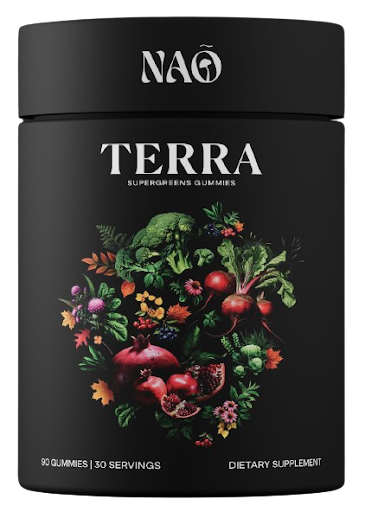
It is easy and comfortable to incorporate super greens into your everyday routine. The following are some simple methods to include these nutrient-dense supplements in your diet:
Drinks
Blending super greens into smoothies is one of the most widely used ways to consume them. For a nutrient-rich drink, blend a scoop of super greens powder with fruits, veggies, and your preferred liquid (coconut water, almond milk, or water).
Juices To add even more nutrients, mix super greens powder into your favorite juices. The advantages of super greens can be combined with fresh fruits and vegetables, especially in green juices.
Sauces and Soups
To boost the nutritious content of soups, sauces, and stews, mix with super greens powder. This is a great choice for people who would rather eat savory foods than sugary drinks.
capsules
Super greens supplements come in capsule form for people who would rather have a more handy option. You only need to take the prescribed amount along with water to be ready to go.
Selecting the Best Supplement for Super Greens
With so many super greens supplements available, it’s critical to pick a product that fulfills your demands and is of a good caliber. The following advice will help you choose the top super greens supplement:
Ingredient Caliber
Seek for supplements made with non-GMO, organic ingredients. Preservatives, fillers, and artificial additives should not be present in premium super greens.
Nutrient Profile Verify the supplement’s nutrient profile to make sure a variety of vitamins, minerals, and antioxidants are included. For added health advantages, some products also contain other substances including adaptogens, digestive enzymes, and probiotics.
Flavor and Texture
Even though flavor is a personal preference, picking a super greens powder you like will help you adopt it more easily into your regular routine. While some products are sweetened to cover up the earthy flavor of the athletic greens, others have a naturally grassy taste.
Evaluations and Standing
Make sure the product you are buying is dependable and efficient by reading customer reviews and learning about the brand’s reputation. Seek out independent testing and certifications to confirm the supplement’s efficacy and safety.
In summary
Supplementing with super greens is an easy and efficient strategy to increase your daily nutritional intake and enhance your general health. These vitamin, mineral, and antioxidant-rich supplements help improve physical athletic performance, increase energy, and support a number of well-being aspects, including skin health and immunological function. Super greens offer a natural, all-encompassing approach to optimum health and vigor. Include them in your diet.

This blog explores why more expecting families are beginning their child care search during pregnancy rather than after the baby arrives. It covers the real problems early planning solves, what families are actually trying to figure out before birth, and how working with a child care agency ahead of time gives parents more control during one of the most demanding transitions of their lives.
Nobody Puts Child Care on the Baby Shower Registry
Child care feels like something to figure out once you know what you are dealing with. The problem is that “once you know what you are dealing with” usually means two or more weeks postpartum, sleep-deprived, and suddenly realizing you have no idea who to call or how long finding the right person actually takes.
Working with a child care agency during pregnancy is one of the most practical decisions expecting families make, and one of the least talked about in prenatal planning conversations.
What They Are Actually Trying to Figure Out
It is easy to assume that parents who research child care during pregnancy are anxious planners trying to control the uncontrollable. What they are really doing is buying themselves mental space to think clearly.
Before the baby, you can sit down and actually think through what kind of help makes sense for your family without a screaming newborn in the background. Whether that is daytime support so one parent can return to work, overnight care to protect recovery, or something in between, those are decisions worth making from a rested, clear-headed place.
Parents who plan during pregnancy can think through exactly what they want and discuss it with their partner long before any decision has to be final.
The Part Nobody Warns You About
The nanny and newborn care hiring process takes longer than most families expect. Interviewing candidates, scheduling trial days, checking references, and making sure the fit actually feels right inside your home, even with an agency handling most of the legwork, it takes real time.
For families working with a full-service nanny agency, that lead time also means the agency gets to know your family well enough to match you properly rather than simply filling a slot.
And if a family starts early and ends up needing someone sooner than planned? They are already in the system and already vetted.
What Starting Early Actually Requires
You do not need your exact return-to-work date or to have decided between full-time and part-time. You do not need a birth plan finalized first. Agencies that work with expecting families are used to navigating uncertainty because that is most of the job. What you do need is a general sense of your priorities.
- Are you planning to be home but need help during the day?
- Do you anticipate needing overnight support during the first few weeks?
- Is one partner returning to work quickly while the other recovers?
Those answers point to very different kinds of care, and knowing the difference before the baby arrives is very important.
Why It Changes the First Week Home
Daytime Nanny Services planned in advance means a professional who already knows your family walks in on day one, not a stranger you frantically interviewed while your stitches were still healing.
Starting before the due date is about making sure the support you need is already in place when the hardest part begins.
FAQ
If I reach out to a child care agency during pregnancy, am I committing to anything?
No. Most agencies that work with expecting families are set up for early conversations precisely because families need time to think. You can ask questions, understand your options, and stay in contact without signing anything until you are ready. Think of it as doing the research while you still have the headspace to absorb it.
How is a newborn care specialist different from a nanny?
A newborn care specialist focuses specifically on the first weeks or months of life, including feeding support, sleep routine development, overnight care, and helping new parents feel less lost. A nanny typically steps in once that phase has passed and handles ongoing daily care.
What if my schedule or return-to-work date is still uncertain?
That is completely normal, and agencies are used to it. Even a rough picture of your situation, whether you think you will need help during the day, overnight, or both, is enough to start a useful conversation.
Do experienced newborn care specialists really book out that far in advance?
Yes, particularly for overnight and specialized newborn support. Experienced specialists tend to work in back-to-back contracts, which means their availability closes quickly. Families who reach out early have more options of finding someone who is actually the right fit for their home.
What if my needs change after the baby arrives?
They almost certainly will, at least a little. The value of early contact with an agency is not that everything stays fixed. It is that you already have a relationship with someone who can pivot with you. Adjusting a plan is much easier than building one from scratch when you are already overwhelmed.
To ensure successful conception and a physiologically safe pregnancy, it is crucial to maintain an optimal balance of essential micronutrients in a woman’s body. Alongside elements such as zinc, magnesium, iodine, and folic acid—which are undoubtedly the foundation of reproductive health—iron holds a special place. This micronutrient plays a critical role not only during the actual gestation period but also at the very earliest stage: during pregnancy planning.
What are the main risks associated with iron deficiency?
Medical statistics and research confirm that the likelihood of a successful pregnancy decreases by a staggering 60% in the presence of iron deficiency. There is a direct pathophysiological link between iron-deficiency anemia and infertility. This is due to the fact that a deficiency of this element seriously disrupts the natural processes of egg maturation and the mechanisms of ovulation.
Furthermore, iron deficiency triggers a state of hypoxia—a reduction in the supply of oxygen to the body’s tissues and cells. Since the ovaries are energy-dependent organs, oxygen deprivation negatively affects their function, which ultimately leads to a significant deterioration in the quality of oocytes (eggs).
The Insidious Nature of Hidden (Latent) Iron Deficiency
Hidden iron deficiency is an extremely common condition among modern women. Its main danger lies in the fact that hemoglobin levels in a general blood test may remain within the normal range, creating the illusion of good health, while tissue iron stores (deposits) are already nearly completely depleted.
According to research, latent deficiency is detected in 40% of women facing infertility issues. If pregnancy occurs against the backdrop of such a deficiency, the risks of serious complications increase:
- Development of severe anemia in the mother;
- Fetal growth restriction;
- Increased likelihood of preterm birth;
- Complications during labor.
It is important to note that iron deficiency also poses a serious obstacle when using assisted reproductive technologies. The chances of success for procedures such as IVF (in vitro fertilization) are significantly reduced with low iron levels. This is critically important to consider not only in standard protocols but also in more complex programs, such as IVF with egg donation and double-donor IVF, where the condition of the prospective mother’s body and the endometrium’s readiness for implantation play a decisive role.
Iron Deficiency in Women in Reproductive Medicine
In modern reproductive medicine, the diagnosis and correction of iron levels constitute a distinct aspect of pre-pregnancy preparation. Reproductive specialists consider ferritin levels to be one of the predictors of protocol success. In cases of anemia or latent deficiency, endometrial receptivity—its ability to “accept” the embryo—decreases, which is critical for any type of ART.
Particular attention is paid to patients in in vitro fertilization programs, as ovarian hormonal stimulation demands enormous resources from the body. If iron stores are depleted, the risk of failed implantation or early pregnancy loss increases significantly. Therefore, in reproductive medicine today, it is standard practice to achieve target iron levels even before the start of the active treatment phase, thereby ensuring a favorable environment for fetal development from the first days after transfer.
How to recognize iron deficiency in time?
A specialist may suspect iron-deficiency anemia based on the patient’s complaints. The symptoms of this condition are extensive and affect virtually all body systems.
Physical fatigue and general well-being
- A constant feeling of exhaustion and rapid fatigue even with minimal exertion;
- Episodes of rapid heartbeat (tachycardia);
- Unexplained muscle pain;
- A noticeable decline in immune function.
Skin condition and aesthetic signs
- Unnatural pallor of the skin;
- Increased brittleness of the nails and excessive hair loss;
- Dryness and increased sensitivity of the epidermis.
Gastrointestinal tract
- Periodic bouts of nausea;
- Heartburn and digestive disorders;
- In rare cases, vomiting.
Other psychosomatic and physiological markers
- Increased irritability, emotional lability;
- Difficulty concentrating and impaired cognitive function (memory);
- Heavy menstrual bleeding (which in itself may be a cause of deficiency);
- Pain and swelling in the joints;
- Tendency toward nosebleeds and bleeding gums.
A general blood test alone is insufficient to confirm or rule out the diagnosis. Comprehensive laboratory testing is required, including measurement of serum iron levels, ferritin (an indicator of iron stores), and total iron-binding capacity (TIBC). Only based on these results can a doctor select appropriate treatment.
The Relationship Between Iron, Fertility, and the Thyroid Gland
Infertility caused by anemia often goes hand in hand with endocrine system disorders. In particular, iron deficiency directly affects the synthesis of thyroid hormones. If a patient is having difficulty conceiving, a consultation with an endocrinologist is strongly recommended, as proper thyroid function is essential for healthy reproduction.
Statistical Data and Global Trends
According to global statistics, nearly a quarter of the world’s population—about 25%—suffers from iron deficiency. These figures are confirmed by long-term studies conducted by the World Health Organization (WHO) covering the period up to 2020.
Women are particularly vulnerable: iron-deficiency anemia is diagnosed in them six times more often than in men. This is due to natural physiological processes:
- Monthly menstrual blood loss.
- Increased need for micronutrients during pregnancy.
- The body’s resource expenditure during breastfeeding.
It is critically important for women, especially those planning to become mothers, to listen carefully to their bodies’ signals. Timely detection of a deficiency and its proper correction are the key not only to personal well-being but also to the health of future generations.
FAQ: Frequently Asked Questions
1. Is it possible to get pregnant if hemoglobin levels are normal but ferritin is low? Conception is possible; however, low ferritin levels indicate a lack of “reserves” in the body. This can lead to severe anemia developing in the first trimester—when the need for iron increases sharply—which is dangerous for the fetus.
2. Why does iron deficiency reduce the chances of IVF success? Iron plays a role in cell division and supplying the embryo with oxygen. If there is a deficiency, the endometrium may not be sufficiently prepared for implantation, and egg quality decreases, making the procedure less effective.
3. Can iron deficiency be corrected through diet alone? If a deficiency has already been diagnosed (especially anemia), diet alone (meat, liver, buckwheat) is usually insufficient. Food helps maintain iron levels, but to treat “empty stores,” doctors prescribe special medications with high bioavailability.
4. How quickly do iron levels recover after starting medication? You may feel better within 2–3 weeks, but a course of 3 to 6 months, monitored by blood tests, is usually required to fully restore ferritin stores in the body.
5. Does drinking tea and coffee affect iron absorption? Yes, the tannins and caffeine in these beverages can significantly impair the absorption of iron from food and supplements. It is recommended to consume them separately from iron supplements and meals.
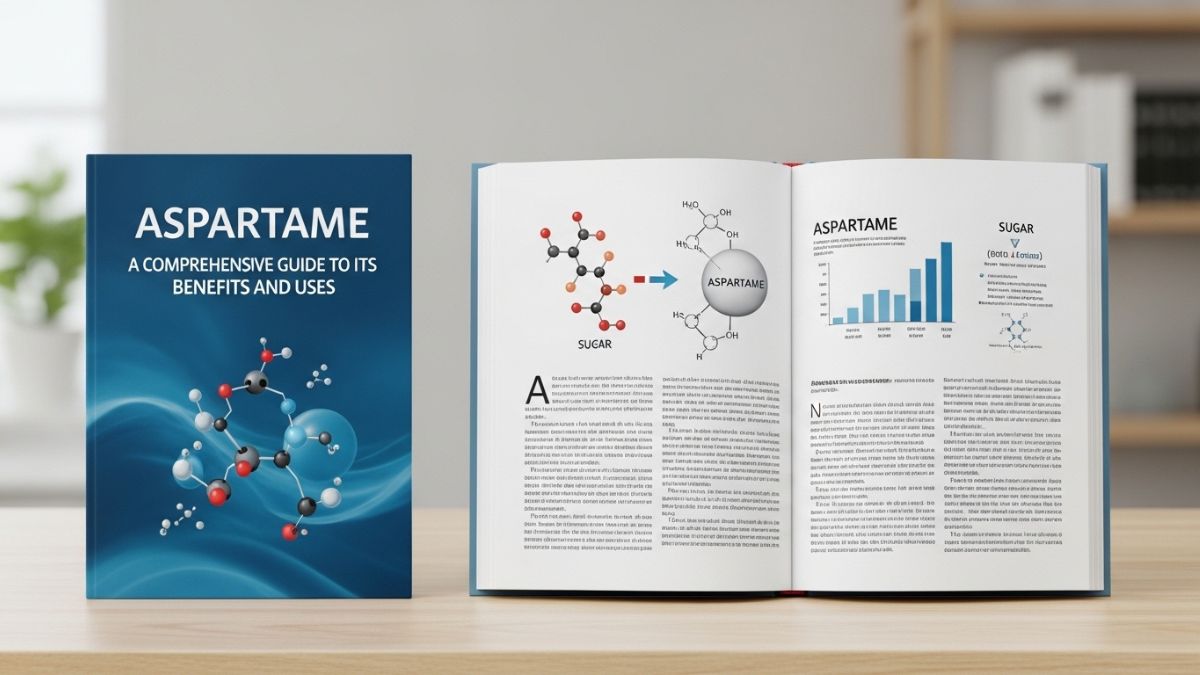
Are you looking for a natural way to boost your well-being? Meet Aspertaan, the remarkable herb that’s catching the attention of health enthusiasts everywhere. Known for its wide array of benefits, this powerful plant has been celebrated in traditional medicine and is now making waves in modern wellness circles. Whether you’re aiming to enhance your physical vitality or support mental clarity, understanding how Aspertaan can fit into your lifestyle could be a game changer. Let’s dive deep into what makes this herbal gem so special!
What is Aspertaan?
Aspertaan is a lesser-known herb derived from the roots of the plant known for its adaptogenic properties. Traditionally used in various cultures, it has gained recognition for its potential health benefits.
This herb is often associated with enhancing overall vitality and resilience. People have utilized it to improve their physical and mental well-being for centuries.
Rich in antioxidants, Aspertaan may help combat oxidative stress within the body. It’s believed to support immune function, making it an appealing choice for those seeking natural remedies.
In addition to its physical attributes, many users report improvements in focus and clarity when using Aspertaan. Its multifaceted nature makes it an intriguing option for anyone interested in holistic health solutions.
How does Aspertaan work?
Aspertaan operates through a complex interaction with the body’s natural systems. It primarily influences neurotransmitters, the chemical messengers that facilitate communication between nerve cells. This modulation can lead to enhanced mood and cognitive function.
When consumed, Aspertaan is absorbed into the bloodstream and transported to various parts of the brain. Here, it works by promoting healthy levels of serotonin and dopamine—key players in regulating emotions and motivation.
Additionally, Aspertaan may enhance energy metabolism at a cellular level. By supporting mitochondrial efficiency, it helps combat fatigue while boosting overall vitality.
This unique compound also exhibits anti-inflammatory properties. By reducing inflammation in the body, it aids in maintaining optimal physical health alongside mental clarity.
The Benefits of Aspertaan for the Body and Mind
Aspertaan offers a myriad of benefits for both body and mind. This remarkable compound is known for its ability to enhance cognitive function, leading to improved focus and mental clarity. Users often report heightened alertness, making it an excellent aid during demanding tasks.
Physically, Aspertaan supports overall well-being by promoting better energy levels. It helps the body manage stress effectively while also aiding in recovery from fatigue.
Moreover, many people find that incorporating Aspertaan into their routine can foster a sense of relaxation without inducing drowsiness. This balance makes it ideal for those seeking tranquility amidst a busy lifestyle.
Additionally, some studies suggest that Aspertaan may have antioxidant properties, contributing to cellular health and longevity. By integrating this powerful substance into daily life, individuals can experience a significant boost in overall vitality and wellness.
Different Forms of Aspertaan and How to Use Them
Aspertaan comes in various forms, making it versatile for different preferences and lifestyles. You can find it as a powder, capsules, or even infused in drinks.
The powdered form is popular for its flexibility. Mix it into smoothies or sprinkle it on your morning oatmeal for an easy boost.
Capsules offer convenience, especially for those who prefer quick consumption without any mixing. Just take them with water, and you’re good to go.
For a refreshing twist, some brands have created drink mixes that incorporate aspertaan. These are great alternatives when you’re on the move or looking for something flavorful.
Experimenting with these forms allows you to discover what works best for your routine while enjoying the unique benefits of aspertaan.
Potential Side Effects and Precautions
While Aspertaan offers numerous benefits, it’s essential to be aware of potential side effects. Some individuals may experience mild digestive issues such as bloating or gas after consuming it.
Allergic reactions are also possible, albeit rare. Symptoms can include rashes or itching, which warrant immediate medical attention if severe.
For those with pre-existing health conditions or on medication, consulting a healthcare professional is advisable before starting any new supplement regimen involving Aspertaan.
Pregnant and breastfeeding women should exercise caution and seek guidance from their doctors regarding its use.
Monitoring your body’s response when introducing Aspertaan is key. If you notice any adverse effects, it’s best to discontinue use and consult with a healthcare provider for personalized advice.
Tips for Incorporating Aspertaan into Your Daily Routine
Start your day with Aspertaan by adding it to your morning smoothie or coffee. This simple adjustment can enhance both flavor and health benefits.
Consider using Aspertaan in cooking. It pairs well with savory dishes, giving a unique twist to soups and stews.
For those who prefer a simpler approach, try taking it in capsule form. This method is convenient for busy schedules.
Creating an evening ritual? Blend some Aspertaan into herbal tea before bed. It’s soothing and can help promote relaxation.
Don’t forget about incorporating it into snacks! Mix Aspertaan into yogurt or oatmeal for an energy boost throughout the day.
Being consistent is key; aim to include it daily for optimal results. Tracking how you feel can also help personalize its use based on your body’s responses.
Conclusion
Aspertaan is becoming increasingly popular for its potential health benefits and versatility in use. Whether you’re looking to enhance your mental clarity or improve your overall well-being, this natural substance offers a range of advantages worth exploring.
Incorporating Aspertaan into your daily routine can be straightforward. With various forms available, including capsules, powders, and teas, you can choose the method that suits you best. Just remember to start with small doses and observe how your body reacts. While many people experience positive effects from Aspertaan, it’s essential to be mindful of any potential side effects. Always consult with a healthcare professional before making significant changes to your supplement regimen.
-

 HEALTH2 years ago
Transformative Health Solutions: Unveiling the Breakthroughs of 10x Health
-

 Posts2 years ago
Siegel, Cooper & Co.
-

 GENERAL2 years ago
Discovering the Artistic Brilliance of Derpixon: A Deep Dive into their Animation and Illustration
-

 Lifestyle2 years ago
Purenudism.com: Unveiling the Beauty of Naturist Lifestyle
-

 FASHION2 years ago
The Many Faces of “λιβαισ”: A Comprehensive Guide to its Symbolism in Different Cultures
-

 Lifestyle2 years ago
BaddieHub: Unleashing Confidence and Style in the Ultimate Gathering Spot for the Baddie Lifestyle
-
 Entertainment2 years ago
Geekzilla Podcast: Navigating the World of Pop Culture, Gaming, and Tech
-

 Lifestyle2 years ago
Sandra orlow: Unraveling the Story of an Iconic Figure