
HEALTH
Dialectical behavior therapy techniques


Dialectical behavior therapy is a type of evidence-based therapy that originated from cognitive behavioral therapy.
This therapy has been scientifically proven to assist in the improvement of several mental health conditions and overall quality of life. The main goal of DBT is to assist patients in developing a mentally fit life by enhancing their capability for managing emotions.
Dialectical behavioral therapy is a kind of talk therapy that can assist you in learning to accept yourself without judgment. You will also work on changing all negative and unhealthy behaviors that are holding you back in your life.
If you are struggling to manage your emotions or control your unhealthy or harmful behaviors, then dialectical behavior therapy is one of the best choices for you. You will also learn new problem-solving and behavior-management skills.
Before exploring the dialectical behavior therapy techniques, it’s important to know what are the six main points of dialectical behavior therapy are.
- Mindfulness: DBT focuses more on mindfulness, which includes being completely present in the moment and nurturing awareness of an individual’s thoughts, environments, and feelings. Mindfulness exercises like deep breathing and body scans assist individuals in regulating emotions, reducing imprudent behaviors, and developing a sense of calmness and clarity.
- Tolerating distress: Life is full of situations that trigger disturbing emotions. DBT supports individuals in coping with such situations in healthy ways without any harmful behaviors. Methods like self-soothing, radical acceptance, and disruption assist individuals in navigating through difficult moments and developing resilience.
- Emotional regulation: A lot of individuals dealing with mental health problems find it difficult to recognize and manage their emotions efficiently. DBT offers plans and skills for assisting individuals in understanding and regulating their emotions correctly. This involves identifying and labeling emotions, learning to cope with distress, and developing mechanisms to cope with matters positively.
- Interpersonal value: Our relationships play an important role in complete wellness. DBT identifies individuals’ difficulties in interpersonal communication and emphasizes teaching efficient communication and problem-solving mechanisms. By enhancing interpersonal efficacy, individuals can develop healthy relationships, decrease conflicts, and increase quality of life.
- Middle path: Finding balance is important in DBT. This point focuses on the importance of accepting oneself as one is and also working for personal growth and some changes. It helps individuals embrace the concept of the middle path, where acceptance and alterations coexist. This balanced mechanism assists individuals in avoiding extremes and promotes self-compassion and self-enhancement.
- Practical application: DBT is about utilizing skills in therapy sessions and applying those learned skills in real-life situations. This point emphasizes the vitality of practicing and incorporating these skills daily. By constantly applying these learned skills, a person can experience some positive changes in their nature, relationships, and emotions.
Conditions that dialectical behavior therapy treats
DBT was initially designed for treating people with borderline personality disorder. But now, it is used for the treatment of several other mental health problems. It has been seen to benefit people across various age groups, from teens to older adults.
A borderline personality disorder is a kind of condition that affects how you see yourself and how you relate to others. You might have an intense surge of anger, rapid mood shifts, and a fear of rejection by others. This can result in some deep problems with your self-image, goals, and relationships.
Spontaneous behavior like substance abuse or overspending are some of the difficulties you will face when you have borderline personality disorder. Self-sabotage is another issue where you might quit a job that is going well.
DBT is very useful in treating borderline personality disorder and often leads to:
- Less severe suicidal behavior
- Short hospital stays
- Finding it easy to form and maintain relationships with others
Some of the other conditions that DBT can treat are
- Self-harming behavior
- Suicidal behavior
- Substance abuse
- Bipolar disorder
- Post-traumatic stress disorder
- Depression
- Anxiety
- Eating disorders
Dialectical behavior therapy techniques
Some specified methods differentiate DBT from other kinds of therapy. While many techniques can be utilized, some are more common than others. The four primary techniques that makeup DBT are distress tolerance, interpersonal efficacy, emotional regulation, and mindfulness.
- Learning to use mindfulness: The art of mindfulness is useful in several aspects of life. Emphasizing mindfulness skills as one of the dialectical behavioral techniques can assist you in learning to be completely present in the moment.
- Learning interpersonal efficacy: Interpersonal efficacy follows core mindfulness. It emphasizes how you can have positive interactions with people in your life. You can learn to navigate stressful difficulties that you may face and also how to manage personal relationships. You can focus on clear communication, letting go of hatred, learning to say no, and emphasizing how to ask for what you require.
- Learning to deal with and tolerate stress: By learning distress tolerance, you will learn how to accept change. There are certain techniques to emphasize that will teach you how to manage and deal with life’s crises. These include:
- Focusing on enhancing stressful situations
- Learning self-soothing
- Recognizing ways to enhance stressful situations
- Finding out what are the pros and cons of any situation
- Learning to regulate emotions: Emotional regulation is the last skill taught in DBT therapy sessions. Emotional regulation is considered one of the relevant DBT skills training in the whole process. Learning to manage and control emotions, especially if you are an intense person, is very difficult, but it’s possible to do it. Emotional regulation is one of the techniques in DBT that enhances your ability to
- Feel less susceptible
- Easy regulation of intense emotion
- Being confident in your abilities to control how you are feeling
Conclusion
Dialectical behavior therapy provides several relevant techniques for enhancing emotional regulation, mindfulness, distress tolerance, and interpersonal efficacy. Whether used in a therapeutic context for individuals with specific mental health issues or with some broad applications, these techniques can increase emotional wellness and life satisfaction. As with several other therapeutic tools, the advantages of DBT techniques are best felt through constant practice and use in daily life.

To ensure successful conception and a physiologically safe pregnancy, it is crucial to maintain an optimal balance of essential micronutrients in a woman’s body. Alongside elements such as zinc, magnesium, iodine, and folic acid—which are undoubtedly the foundation of reproductive health—iron holds a special place. This micronutrient plays a critical role not only during the actual gestation period but also at the very earliest stage: during pregnancy planning.
What are the main risks associated with iron deficiency?
Medical statistics and research confirm that the likelihood of a successful pregnancy decreases by a staggering 60% in the presence of iron deficiency. There is a direct pathophysiological link between iron-deficiency anemia and infertility. This is due to the fact that a deficiency of this element seriously disrupts the natural processes of egg maturation and the mechanisms of ovulation.
Furthermore, iron deficiency triggers a state of hypoxia—a reduction in the supply of oxygen to the body’s tissues and cells. Since the ovaries are energy-dependent organs, oxygen deprivation negatively affects their function, which ultimately leads to a significant deterioration in the quality of oocytes (eggs).
The Insidious Nature of Hidden (Latent) Iron Deficiency
Hidden iron deficiency is an extremely common condition among modern women. Its main danger lies in the fact that hemoglobin levels in a general blood test may remain within the normal range, creating the illusion of good health, while tissue iron stores (deposits) are already nearly completely depleted.
According to research, latent deficiency is detected in 40% of women facing infertility issues. If pregnancy occurs against the backdrop of such a deficiency, the risks of serious complications increase:
- Development of severe anemia in the mother;
- Fetal growth restriction;
- Increased likelihood of preterm birth;
- Complications during labor.
It is important to note that iron deficiency also poses a serious obstacle when using assisted reproductive technologies. The chances of success for procedures such as IVF (in vitro fertilization) are significantly reduced with low iron levels. This is critically important to consider not only in standard protocols but also in more complex programs, such as IVF with egg donation and double-donor IVF, where the condition of the prospective mother’s body and the endometrium’s readiness for implantation play a decisive role.
Iron Deficiency in Women in Reproductive Medicine
In modern reproductive medicine, the diagnosis and correction of iron levels constitute a distinct aspect of pre-pregnancy preparation. Reproductive specialists consider ferritin levels to be one of the predictors of protocol success. In cases of anemia or latent deficiency, endometrial receptivity—its ability to “accept” the embryo—decreases, which is critical for any type of ART.
Particular attention is paid to patients in in vitro fertilization programs, as ovarian hormonal stimulation demands enormous resources from the body. If iron stores are depleted, the risk of failed implantation or early pregnancy loss increases significantly. Therefore, in reproductive medicine today, it is standard practice to achieve target iron levels even before the start of the active treatment phase, thereby ensuring a favorable environment for fetal development from the first days after transfer.
How to recognize iron deficiency in time?
A specialist may suspect iron-deficiency anemia based on the patient’s complaints. The symptoms of this condition are extensive and affect virtually all body systems.
Physical fatigue and general well-being
- A constant feeling of exhaustion and rapid fatigue even with minimal exertion;
- Episodes of rapid heartbeat (tachycardia);
- Unexplained muscle pain;
- A noticeable decline in immune function.
Skin condition and aesthetic signs
- Unnatural pallor of the skin;
- Increased brittleness of the nails and excessive hair loss;
- Dryness and increased sensitivity of the epidermis.
Gastrointestinal tract
- Periodic bouts of nausea;
- Heartburn and digestive disorders;
- In rare cases, vomiting.
Other psychosomatic and physiological markers
- Increased irritability, emotional lability;
- Difficulty concentrating and impaired cognitive function (memory);
- Heavy menstrual bleeding (which in itself may be a cause of deficiency);
- Pain and swelling in the joints;
- Tendency toward nosebleeds and bleeding gums.
A general blood test alone is insufficient to confirm or rule out the diagnosis. Comprehensive laboratory testing is required, including measurement of serum iron levels, ferritin (an indicator of iron stores), and total iron-binding capacity (TIBC). Only based on these results can a doctor select appropriate treatment.
The Relationship Between Iron, Fertility, and the Thyroid Gland
Infertility caused by anemia often goes hand in hand with endocrine system disorders. In particular, iron deficiency directly affects the synthesis of thyroid hormones. If a patient is having difficulty conceiving, a consultation with an endocrinologist is strongly recommended, as proper thyroid function is essential for healthy reproduction.
Statistical Data and Global Trends
According to global statistics, nearly a quarter of the world’s population—about 25%—suffers from iron deficiency. These figures are confirmed by long-term studies conducted by the World Health Organization (WHO) covering the period up to 2020.
Women are particularly vulnerable: iron-deficiency anemia is diagnosed in them six times more often than in men. This is due to natural physiological processes:
- Monthly menstrual blood loss.
- Increased need for micronutrients during pregnancy.
- The body’s resource expenditure during breastfeeding.
It is critically important for women, especially those planning to become mothers, to listen carefully to their bodies’ signals. Timely detection of a deficiency and its proper correction are the key not only to personal well-being but also to the health of future generations.
FAQ: Frequently Asked Questions
1. Is it possible to get pregnant if hemoglobin levels are normal but ferritin is low? Conception is possible; however, low ferritin levels indicate a lack of “reserves” in the body. This can lead to severe anemia developing in the first trimester—when the need for iron increases sharply—which is dangerous for the fetus.
2. Why does iron deficiency reduce the chances of IVF success? Iron plays a role in cell division and supplying the embryo with oxygen. If there is a deficiency, the endometrium may not be sufficiently prepared for implantation, and egg quality decreases, making the procedure less effective.
3. Can iron deficiency be corrected through diet alone? If a deficiency has already been diagnosed (especially anemia), diet alone (meat, liver, buckwheat) is usually insufficient. Food helps maintain iron levels, but to treat “empty stores,” doctors prescribe special medications with high bioavailability.
4. How quickly do iron levels recover after starting medication? You may feel better within 2–3 weeks, but a course of 3 to 6 months, monitored by blood tests, is usually required to fully restore ferritin stores in the body.
5. Does drinking tea and coffee affect iron absorption? Yes, the tannins and caffeine in these beverages can significantly impair the absorption of iron from food and supplements. It is recommended to consume them separately from iron supplements and meals.
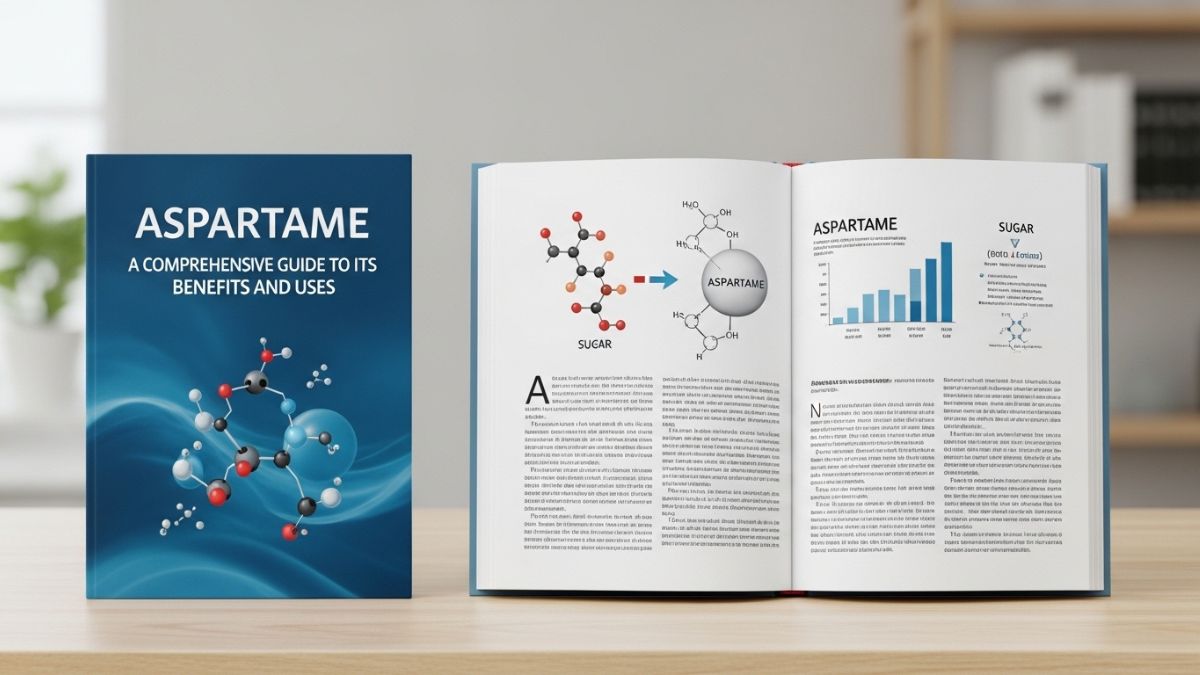
Are you looking for a natural way to boost your well-being? Meet Aspertaan, the remarkable herb that’s catching the attention of health enthusiasts everywhere. Known for its wide array of benefits, this powerful plant has been celebrated in traditional medicine and is now making waves in modern wellness circles. Whether you’re aiming to enhance your physical vitality or support mental clarity, understanding how Aspertaan can fit into your lifestyle could be a game changer. Let’s dive deep into what makes this herbal gem so special!
What is Aspertaan?
Aspertaan is a lesser-known herb derived from the roots of the plant known for its adaptogenic properties. Traditionally used in various cultures, it has gained recognition for its potential health benefits.
This herb is often associated with enhancing overall vitality and resilience. People have utilized it to improve their physical and mental well-being for centuries.
Rich in antioxidants, Aspertaan may help combat oxidative stress within the body. It’s believed to support immune function, making it an appealing choice for those seeking natural remedies.
In addition to its physical attributes, many users report improvements in focus and clarity when using Aspertaan. Its multifaceted nature makes it an intriguing option for anyone interested in holistic health solutions.
How does Aspertaan work?
Aspertaan operates through a complex interaction with the body’s natural systems. It primarily influences neurotransmitters, the chemical messengers that facilitate communication between nerve cells. This modulation can lead to enhanced mood and cognitive function.
When consumed, Aspertaan is absorbed into the bloodstream and transported to various parts of the brain. Here, it works by promoting healthy levels of serotonin and dopamine—key players in regulating emotions and motivation.
Additionally, Aspertaan may enhance energy metabolism at a cellular level. By supporting mitochondrial efficiency, it helps combat fatigue while boosting overall vitality.
This unique compound also exhibits anti-inflammatory properties. By reducing inflammation in the body, it aids in maintaining optimal physical health alongside mental clarity.
The Benefits of Aspertaan for the Body and Mind
Aspertaan offers a myriad of benefits for both body and mind. This remarkable compound is known for its ability to enhance cognitive function, leading to improved focus and mental clarity. Users often report heightened alertness, making it an excellent aid during demanding tasks.
Physically, Aspertaan supports overall well-being by promoting better energy levels. It helps the body manage stress effectively while also aiding in recovery from fatigue.
Moreover, many people find that incorporating Aspertaan into their routine can foster a sense of relaxation without inducing drowsiness. This balance makes it ideal for those seeking tranquility amidst a busy lifestyle.
Additionally, some studies suggest that Aspertaan may have antioxidant properties, contributing to cellular health and longevity. By integrating this powerful substance into daily life, individuals can experience a significant boost in overall vitality and wellness.
Different Forms of Aspertaan and How to Use Them
Aspertaan comes in various forms, making it versatile for different preferences and lifestyles. You can find it as a powder, capsules, or even infused in drinks.
The powdered form is popular for its flexibility. Mix it into smoothies or sprinkle it on your morning oatmeal for an easy boost.
Capsules offer convenience, especially for those who prefer quick consumption without any mixing. Just take them with water, and you’re good to go.
For a refreshing twist, some brands have created drink mixes that incorporate aspertaan. These are great alternatives when you’re on the move or looking for something flavorful.
Experimenting with these forms allows you to discover what works best for your routine while enjoying the unique benefits of aspertaan.
Potential Side Effects and Precautions
While Aspertaan offers numerous benefits, it’s essential to be aware of potential side effects. Some individuals may experience mild digestive issues such as bloating or gas after consuming it.
Allergic reactions are also possible, albeit rare. Symptoms can include rashes or itching, which warrant immediate medical attention if severe.
For those with pre-existing health conditions or on medication, consulting a healthcare professional is advisable before starting any new supplement regimen involving Aspertaan.
Pregnant and breastfeeding women should exercise caution and seek guidance from their doctors regarding its use.
Monitoring your body’s response when introducing Aspertaan is key. If you notice any adverse effects, it’s best to discontinue use and consult with a healthcare provider for personalized advice.
Tips for Incorporating Aspertaan into Your Daily Routine
Start your day with Aspertaan by adding it to your morning smoothie or coffee. This simple adjustment can enhance both flavor and health benefits.
Consider using Aspertaan in cooking. It pairs well with savory dishes, giving a unique twist to soups and stews.
For those who prefer a simpler approach, try taking it in capsule form. This method is convenient for busy schedules.
Creating an evening ritual? Blend some Aspertaan into herbal tea before bed. It’s soothing and can help promote relaxation.
Don’t forget about incorporating it into snacks! Mix Aspertaan into yogurt or oatmeal for an energy boost throughout the day.
Being consistent is key; aim to include it daily for optimal results. Tracking how you feel can also help personalize its use based on your body’s responses.
Conclusion
Aspertaan is becoming increasingly popular for its potential health benefits and versatility in use. Whether you’re looking to enhance your mental clarity or improve your overall well-being, this natural substance offers a range of advantages worth exploring.
Incorporating Aspertaan into your daily routine can be straightforward. With various forms available, including capsules, powders, and teas, you can choose the method that suits you best. Just remember to start with small doses and observe how your body reacts. While many people experience positive effects from Aspertaan, it’s essential to be mindful of any potential side effects. Always consult with a healthcare professional before making significant changes to your supplement regimen.
Embarking on the journey to overcome substance abuse is a meaningful and courageous commitment. A critical starting point is detoxification, a process that flushes harmful substances from the body and lays the foundation for recovery. Approaching detox with safety as a central concern is necessary for long-term well-being and success. For those seeking help, specialized programs such as detox in Colorado Springs can provide the medical oversight and supportive environment that are so important during this process.
Safe detox is not just about removing substances from the body; it is about ensuring that the process minimizes risks, supports the individual’s needs, and prepares them for ongoing recovery. Proper medical supervision and comprehensive care are essential in addressing both the physical and psychological challenges that can emerge during detox. Access to knowledgeable professionals and evidence-based resources promotes a smoother and more sustainable transition.
As more individuals and families confront the realities of substance abuse, understanding what makes detox safe and effective is increasingly important. By integrating medical, therapeutic, and community support, those facing substance use disorders can build a stronger foundation for lasting change. The benefits of holistic and personalized care are proven and form the cornerstone of successful recovery journeys.
Best practices in detoxification are grounded in science and compassion. By focusing on strategies that have shown consistent results, recovery can become more attainable and less daunting. These core principles help guide both individuals and their loved ones through one of the most challenging phases of recovery with courage and confidence.
The Importance of Medical Supervision
Detoxification from drugs or alcohol can trigger withdrawal symptoms, some of which may be severe or life-threatening. Medical oversight is critical to recognizing early signs of complications and intervening when necessary. Withdrawal from certain substances, such as alcohol and benzodiazepines, can result in dangerous symptoms like seizures or delirium tremens. Having trained healthcare providers monitor and support patients can make the process safer and much less distressing.
The Substance Abuse and Mental Health Services Administration (SAMHSA) outlines evidence-based guidelines for detoxification. These protocols recommend a multidisciplinary team approach, including doctors, nurses, and counselors, to oversee the medical and psychological aspects of withdrawal. Immediate access to medications and therapies ensures that symptoms can be managed and complications prevented.
Personalized Treatment Plans
No two individuals experience substance use or recovery in the same way. Factors such as the types of substances used, length of dependency, general health, and any co-occurring mental health issues influence what kind of care is needed. Effective detox programs begin with thorough assessments to develop treatment plans that honor these individual differences.
Personalized plans may include medication-assisted treatment, counseling for coexisting conditions, and ongoing assessments to adjust the approach as needs change. By focusing on the person, not just the addiction, the risk of relapse decreases, and the foundation for recovery becomes more robust. Treatment plans that recognize individual strengths and vulnerabilities foster a greater sense of agency throughout detox and healing.
Holistic Approaches to Detox
Holistic care involves meeting the physical, emotional, and spiritual needs of each individual during detox. Practices like yoga, mindfulness meditation, nutritional therapy, and exercise can ease withdrawal symptoms, decrease anxiety, and promote healing. In many programs, holistic therapies are incorporated alongside traditional medical treatment to address the “whole person” during recovery.
Nutrition plays an especially important role, as substance use can deplete essential vitamins and minerals. Restoring nutritional balance supports physical healing and energy. Meanwhile, therapeutic activities such as art, nature walks, and group support build resilience and motivation. Employing these holistic strategies can increase comfort and help foster a positive outlook during this challenging time.
Ensuring Continuity of Care
Effective detox is just one step in a much longer recovery journey. Studies published by the Centers for Disease Control and Prevention (CDC) emphasize the importance of continuity between detox and further treatment, such as inpatient rehab, outpatient counseling, or support groups. Gaps between detox and continued care can increase the risk of relapse or medical complications.
Ensuring a smooth transition involves planning for the next steps before detox ends. Case managers, discharge coordinators, and recovery coaches can collaborate to help eliminate obstacles and keep individuals connected to vital resources. This ongoing support builds accountability and gives clients the best chance for sustained sobriety.
The Role of Support Systems
Recovery from substance abuse is rarely achieved in isolation. The involvement of family members, friends, and support networks is crucial for encouragement and accountability. Community organizations and peer groups, such as Narcotics Anonymous and SMART Recovery, provide non-judgmental environments where individuals can share their experiences and stay engaged in recovery.
Support systems also help to educate families, reduce the risk of misunderstandings, and empower loved ones to respond effectively to setbacks. Structured support networks have been linked to higher retention in treatment and improved long-term outcomes, making them a key ingredient in the recovery process.
Aftercare Planning
Comprehensive aftercare planning is essential for maintaining sobriety after detox. An effective aftercare plan addresses ongoing therapy needs, relapse prevention strategies, trigger management, and community engagement. This may involve a combination of regular counseling, ongoing medication management, participation in peer support groups, and adjustments in daily routines to reduce exposure to high-risk situations.
Staying active in aftercare can buffer against relapse triggers and provide ongoing encouragement. Periodic check-ins with healthcare providers also allow for timely interventions if challenges arise. Long-term monitoring and flexibility in aftercare plans help individuals maintain gains and adjust as life circumstances change.
Overcoming Barriers to Treatment
Many people who need help with substance use face significant barriers to accessing appropriate treatment. Financial limitations, lack of insurance, remote locations, and persistent stigma can discourage individuals from seeking care. Increased community outreach and public education can help reduce these obstacles.
Efforts to improve public policy, expand insurance coverage, and train more addiction specialists are necessary at a systemic level. Removing barriers makes recovery tools more accessible to everyone, regardless of background or circumstance, and promotes greater overall health and resilience in communities.
Conclusion
Safe detox approaches are the foundation of successful substance abuse recovery. Medical supervision, personalized care, holistic therapies, and robust support networks work together to ensure a safer and more sustainable journey toward sobriety. By addressing barriers and remaining engaged in long-term care, individuals and their families can look to the future with hope and confidence.
-

 HEALTH2 years ago
Transformative Health Solutions: Unveiling the Breakthroughs of 10x Health
-

 Posts2 years ago
Siegel, Cooper & Co.
-

 GENERAL2 years ago
Discovering the Artistic Brilliance of Derpixon: A Deep Dive into their Animation and Illustration
-

 Lifestyle2 years ago
Purenudism.com: Unveiling the Beauty of Naturist Lifestyle
-

 FASHION2 years ago
The Many Faces of “λιβαισ”: A Comprehensive Guide to its Symbolism in Different Cultures
-

 Lifestyle2 years ago
BaddieHub: Unleashing Confidence and Style in the Ultimate Gathering Spot for the Baddie Lifestyle
-
 Entertainment2 years ago
Geekzilla Podcast: Navigating the World of Pop Culture, Gaming, and Tech
-

 Lifestyle2 years ago
Sandra orlow: Unraveling the Story of an Iconic Figure