
ART
A Guide To Where You Can Use Your Digital Art Skills And How To Become An Entrepreneur


Art has been a big part of our life. When we used to live in caves, we told stories on the walls using pigments made from the earth’s crust.
For a long time, art has been used to tell stories and has played a big part in the advertising industry. You can tell that it has become such a big part of our daily lives when almost everywhere we look, a story and a product is being sold to us, using art.
Among the many professions that we can learn, there are some which can unlock almost limitless work opportunities. We will guide you in how you can use your skills to find the best online job so you can start your own work and become an entrepreneur.
Where You Can Use Digital Art to Make Your Portfolio
Make a portfolio
Portfolios play a big part in getting a job in general, but they also play a bigger role when it comes to getting clients online. It shows the experience you have and the skills you have sharpened over the years, and it also helps boost your prices.
Don’t feel bad; if you are someone who is just starting new and might not have something to show on your portfolio, that’s okay. This is a chance for you to make a fantastic portfolio; you can show your skills by creating in-house projects and displaying them in your new portfolio.
Now, the best way to show your portfolio is to make a website. Websites are easily accessible and can be customized to your liking; use your skills to create a killer website. Display your art and expertise. If you have a previous work history but not a portfolio on a website, this is also a chance for you to create one and impress your potential customers.
UI Designer
When you use an app, regardless if it’s on a computer or mobile phone, the buttons and tabs on these apps are designed to make you feel comfortable and at ease. They are created by UI experts to make things convenient for you while still making them eye-catching.
UI (user interface) designers are someone who use their artistic talents/abilities to create some of the most unique and visually appealing designs. The demand for UI designers has never been more relevant; there is a high demand for mobile apps and video game UI design, and you can use this opportunity to get clients if you know a little bit of coding. That’s a plus and will help us get more clients.
Marketing / Advertisements
You are probably familiar with how you can use your skills in marketing and advertisements. Digital marketing and advertising demands are off the roof, and you can use this opportunity to get into the market by making advertisements for small companies for a startup.
Everyone needs to start somewhere, and starting small is the best way; you can go and find people online searching for designers to make eye-catching art in the form of marketing, and lucky for them, you are open to work. Marketing or advertisement requires you to use your skill by showing information from a piece of paper to a billboard, on the side of a computer screen, to a post on Instagram, etc.
You need to tell maximum information by using minimalistic words and make them eye-catching. If you want inspiration, the best way is to just go out for a walk.
Logos and Vectors
A lot of people who are just starting their business might have trouble expressing their feelings about their brand. So, they use art in the form of logos and vectors to express those. You can help them express their feelings by creating logos for their company and vectors for their products.
You can also create templates and share them online so that people can look them up and use your services. Some of the most well-known and used templates consist of website templates, logo templates, and business cards templates. For this to work, you will need to create a website where you showcase all your designs and styles so that it will help people know your style and
You can also use vectors to make t-shirts and sell them online. Influencers and big companies are always looking for someone who can express their brand in a stylish but minimalistic way.
Create Comics
Recently, there has been a big surge of online comics or webcomics, and they are used by artists to tell stories from a part of their life that they want to say to the world. Some just want to share their humor.
They use their skills to make relatable characters and make the readers connect with them. To start being a comic artist, you need to first know what kind of art style you are going for; some choose realistic, and some cartoonistic. Choose which one you are comfortable with, and start drafting a story. This might be a slow start, but this will help you in the long run when people will buy your merchandise or give you a commission for art. This is among the best ways to get loyal customers who love your artistic flair.
Art Streams
You can share your skills with other people, help them learn, and teach them why you love art so much. You can use platforms like Twitch and YouTube to stream or make videos where you explain how they can also become artistic like you. This also brings opportunities for online commissions, just like the point above.
Conclusion
Art is everywhere, and so are the opportunities for working in this industry. You can use these opportunities to become an entrepreneur, whether it’s in the tech field as a UI designer or creating online gigs in the form of logos and templates. Though a slow start, you can even become an entrepreneur by sharing your stories or humor online and teaching through video.

Welcome to the enchanting world of Nimedes, a hidden gem that holds centuries of rich history and vibrant culture. Nestled away from the bustling tourist trails, this unique destination offers a glimpse into traditions that have shaped its identity over generations. From breathtaking landscapes to colorful festivals, Nimedes is more than just a place—it’s an experience waiting to unfold. Join us as we dive deep into what makes Nimedes special, exploring its cultural influences, customs, landmarks, and much more along the way. Prepare to be captivated by the stories and spirit of the Nimedese people!
Cultural Influences on Nimedes
Nimedes is a tapestry woven from diverse cultural threads. Its history reflects the influences of neighboring regions and ancient civilizations.
Trade routes once bustling with merchants brought new ideas, art forms, and culinary delights. This exchange enriched Nimedean traditions, making them distinct yet familiar.
Religious beliefs have also played a significant role in shaping its culture. Spiritual practices blend seamlessly with local customs, creating a unique spiritual landscape.
Language serves as another vital influence. The Nimedese dialect incorporates words from various languages, representing the community’s openness to diversity.
Artistry thrives here too. From vibrant murals to intricate pottery, each piece tells stories of past generations while embracing contemporary styles.
Through these layers of cultural influences, Nimedes has cultivated an identity that honors its heritage while evolving into a modern society full of life and creativity.
Traditions and Customs of the Nimedese People
The Nimedese people have a rich tapestry of traditions that reflect their deep connection to the land and each other. Storytelling is a cherished pastime, with elders sharing tales of ancestors around evening fires. These narratives often carry moral lessons and preserve history.
Food plays an integral role in daily life. Traditional dishes feature locally sourced ingredients, highlighting seasonal produce. Meals are typically communal, fostering bonds among families and friends.
Craftsmanship is another vital aspect of their culture. Artisans create intricate textiles and pottery using techniques passed down through generations. Each piece tells its own story, often inspired by nature or folklore.
Rituals mark significant life events such as births, marriages, and funerals. Ceremonies involve music and dance that echo the vibrancy of Nimedes’ spirit while uniting communities in shared experiences. These customs shape identity and celebrate resilience amid changing times.
Famous Landmarks and Monuments in Nimedes
Nimedes is home to a variety of impressive landmarks that reflect its rich history and culture. One standout is the grand Nimedean Cathedral, known for its stunning Gothic architecture and intricate stained glass windows. This site draws visitors eager to admire both its beauty and historical significance.
Another must-see is the ancient Fortress of Valoria, perched atop a hill overlooking the town. This formidable structure tells tales of battles fought long ago, offering panoramic views that leave spectators in awe.
The bustling Plaza de la Cultura serves as a hub for community activities. Here, locals gather to celebrate art and music against the backdrop of charming colonial buildings.
The serene Lake Lumina offers tranquility amidst nature’s splendor. Its scenic shores are perfect for leisurely walks or picnics with family and friends, making it an essential part of daily life in Nimedes.
The Modern Day Nimedese Society
The modern-day Nimedese society is a vibrant blend of tradition and innovation. As globalization touches every corner, Nimedes has embraced change while holding on to its rich heritage.
Urban areas buzz with activity, showcasing contemporary architecture alongside historic buildings. Streets are alive with local markets, where artisans sell handcrafted goods that reflect age-old techniques.
Education plays a pivotal role in shaping the younger generation. Schools emphasize not just academics but also cultural awareness, ensuring that traditions thrive among youth.
Social gatherings remain essential for community bonding. Festivals draw people together from different backgrounds, strengthening connections that span generations.
An increasing number of Nimedese are venturing into entrepreneurship, blending traditional crafts with modern business practices. This fusion contributes to economic growth and offers new opportunities for creativity and expression within the culture.
In this dynamic environment, respect for customs coexists harmoniously with aspirations for progress and development.
Unique Aspects of Nimedese Culture
Nimedes is a tapestry woven from diverse cultural threads. One of its unique aspects lies in the fusion of ancient practices with modern influences. Traditional arts, such as pottery and textile weaving, coexist alongside contemporary artistic expressions.
The Nimedese language carries intricate idioms that reflect their worldview. It’s not just about communication; it conveys deep-rooted values and philosophies shaped by centuries of history.
Food also plays a pivotal role in Nimedes culture. Dishes are often crafted using age-old recipes passed down through generations. Ingredients sourced locally give each meal a distinct flavor profile.
Music and dance resonate deeply within communities during gatherings and celebrations. Each performance tells a story, enriching the collective identity of the Nimedese people.
Moreover, an emphasis on community bonds fosters unity among individuals. This sense of togetherness is evident in daily life, where neighbors come together to support one another without hesitation.
Celebrating Festivals and Holidays in Nimedes
Festivals and holidays in Nimedes are a vibrant tapestry of color, music, and tradition. Each celebration reflects the unique heritage of the Nimedese people. The air buzzes with excitement as families come together to honor their customs.
One notable festival is the Festival of Lights, held annually during the winter solstice. Homes are adorned with beautiful lanterns that symbolize hope and renewal. Community gatherings feature traditional dance performances that bring stories from history to life.
Another significant event is Harvest Day, where locals express gratitude for nature’s bounty. Farmers showcase their produce at lively markets filled with laughter and joy. Visitors can sample delicious local dishes, each made from ingredients sourced directly from nearby fields.
Music plays an essential role during these festivities, often featuring folk songs passed down through generations. This cultural richness makes celebrating in Nimedes an unforgettable experience for residents and tourists alike.
Conclusion
Nimedes stands as a vibrant tapestry woven from rich history and diverse cultural threads. Each aspect of its society from traditions to modern influences contributes to the unique identity of the Nimedese people. The landmarks tell stories of past glory, while festivals pulse with joy and communal spirit.
This land thrives on a blend of ancient practices and contemporary life, offering insights into how cultures evolve yet remain rooted in tradition. As you explore Nimedes, you uncover layers that speak not only to its heritage but also to its resilience and adaptability in today’s world.
Understanding Nimedes means appreciating both its historical significance and its dynamic present. Whether you’re wandering through bustling markets or experiencing local celebrations, there is always something new to discover about this remarkable culture. The journey through Nimedes is one filled with discovery, connection, and appreciation for all it has to offer.
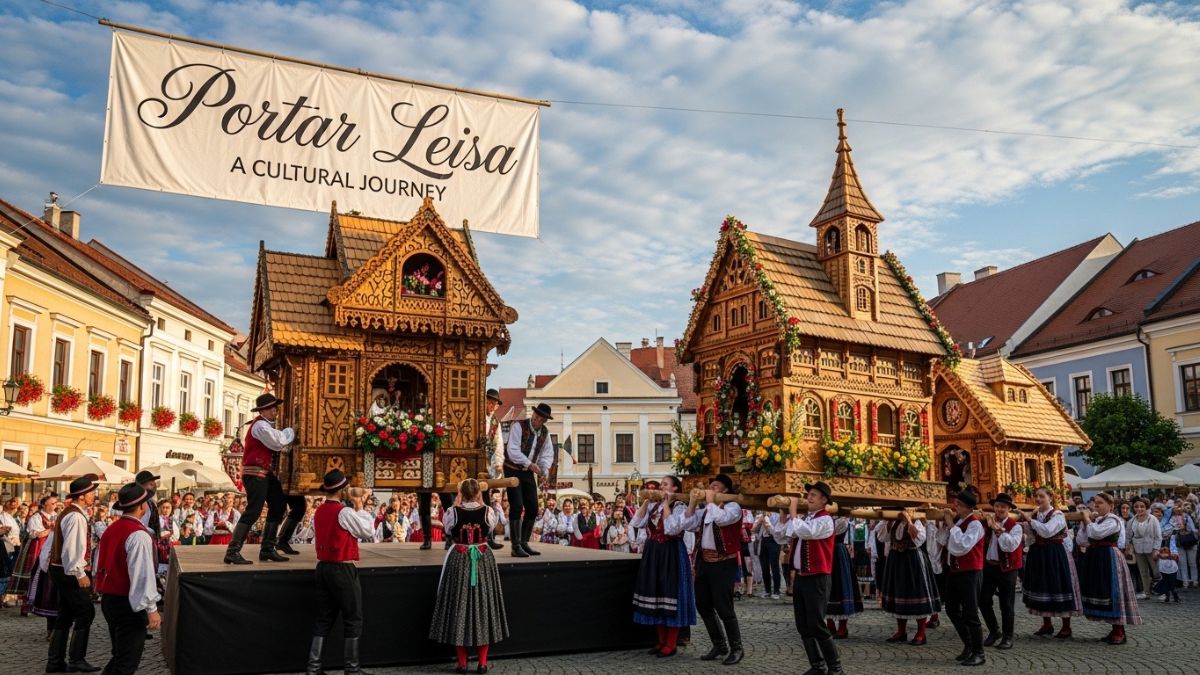
Portar leisa is more than just an art form; it’s a vibrant expression of culture and identity. This unique craft captivates with its intricate designs and deep-rooted traditions, inviting us to explore the narratives woven into each piece. As we delve into the mesmerizing world of portar leisa, we uncover stories that span generations, celebrating both heritage and creativity. Join me on this cultural journey as we discover what makes portar leisa a significant treasure in today’s artistic landscape.
The Origins and History of Portar Leisa
Portar Leisa has deep roots that trace back to ancient civilizations. Initially, it served as a means of storytelling and cultural expression among Indigenous communities. These early practitioners conveyed their beliefs through intricate designs and vibrant colors.
As time passed, the art form evolved, influenced by various cultures throughout history. The blend of traditions enriched its aesthetic qualities, making each piece unique.
The Renaissance period marked a significant turning point for Portar Leisa. Artists began experimenting with new techniques and materials, pushing creative boundaries further than ever before.
By integrating modern technology while maintaining traditional values, contemporary artists have breathed fresh life into this age-old craft. Today’s Portar Leisa reflects a fusion of past influences and future aspirations, showcasing the resilience of cultural heritage amidst globalization’s rapid pace.
The Influence of Culture and Tradition in Portar Leisa
Portar leisa is deeply rooted in the cultural fabric of its origins. Each piece tells a story, reflecting the traditions and beliefs of the community from which it springs.
In many cultures, art serves as a bridge connecting generations. Portar leisa embodies this connection, merging ancient practices with contemporary expressions. The techniques and styles often vary by region, showcasing local customs.
Rituals and celebrations heavily influence these artworks, making them vibrant representations of life’s milestones. Festivals may inspire colors or patterns that resonate with collective identity.
Artists draw inspiration from folklore too; mythical tales often find their way into designs. This blending creates a rich tapestry where tradition meets innovation.
As society evolves, so does portare leisa; yet its essence remains anchored in cultural heritage. This timelessness allows current artists to redefine what portar leisa means while honoring those who came before them.
Techniques and Materials Used in Creating Portar Leisa Artworks
Creating Portar Leisa artworks involves a blend of traditional techniques and innovative materials. Artisans often start with natural fibers, such as cotton or linen, which provide a sturdy base for their creations.
Dyeing is another crucial aspect. Artists use organic dyes extracted from plants to achieve vibrant colors that reflect cultural significance. The dyeing process itself can be intricate, involving multiple stages to ensure depth and richness.
Hand-stitching plays an important role too. Each stitch adds texture and dimension, making every piece unique. This meticulous approach showcases the artist’s skill while honoring age-old practices.
Sometimes mixed media elements are incorporated; beads or paper fragments might enhance the visual appeal. These additions not only elevate aesthetics but also tell stories intertwined with personal or communal histories.
Emphasizing sustainability, many artists choose eco-friendly materials that resonate with modern values while preserving tradition in the art of Portar Leisa.
Famous Artists and their Notable Portar Leisa Pieces
Throughout the world of portar leisa, several artists have made significant contributions that resonate deeply with audiences. One such artist is Maria del Carmen, known for her breathtaking interpretations of traditional themes. Her piece “Whispers of Heritage” captures the essence of ancestral stories through intricate patterns and vivid colors.
Then there’s Tomás Rivera, whose work melds modern techniques with age-old methods. His celebrated artwork, “Echoes in Clay,” showcases a unique blend of texture and form that invites viewers to explore emotional narratives within each curve.
Another noteworthy figure is Lucia Alvarez, who challenges conventions with bold experimentation. Her installation titled “Transcendence” pushes boundaries while remaining rooted in cultural significance.
These artists not only highlight the beauty of portar leisa but also inspire future generations to engage with this captivating art form. Their works serve as a testament to how tradition can evolve while retaining its core identity.
Impact and Significance of Portar Leisa in Modern Society
Portar Leisa stands as a vibrant testament to cultural identity in today’s world. Its intricate designs tell stories that resonate across generations, connecting people with their heritage.
In modern society, this art form fosters community engagement. Workshops and exhibitions often bring artists together, bridging gaps between different cultures.
Moreover, Portar Leisa serves as an economic catalyst. Local artisans gain recognition through online platforms and global markets, allowing them to thrive while preserving traditional techniques.
As environmental concerns rise, the use of sustainable materials in Portar Leisa also highlights a commitment to eco-friendly practices. This blend of tradition and innovation makes it relevant for contemporary audiences seeking authenticity.
Embracing the art of Portar Leisa enriches our understanding of cultural diversity while promoting creativity and collaboration within communities worldwide.
Preserving and Promoting the Art of Portar Leisa for Future Generations
Efforts to preserve and promote the art of portar leisa are crucial for its survival. Communities engaged in this craft often host workshops and cultural events, allowing both locals and visitors to experience its beauty firsthand.
Educational programs play a vital role. Schools incorporating portar leisa into their curriculums can inspire young artists. This exposure fosters appreciation from an early age.
Digital platforms also contribute significantly. Social media campaigns highlight artisans’ stories, reaching broader audiences eager to learn about this unique heritage. Online marketplaces provide opportunities for artists to showcase their creations globally.
Collaborations between artists and cultural institutions enrich the landscape further. Exhibitions that feature traditional techniques alongside contemporary interpretations keep the conversation alive.
By nurturing these connections, we ensure that future generations understand the significance of portar leisa—its roots, evolution, and ongoing relevance in our diverse world.
Conclusion
Portar leisa is more than just an art form; it embodies a rich tapestry of culture and history. As we explore its roots, techniques, and the artists who breathe life into this unique tradition, we uncover a world where creativity meets heritage. The impact of portar leisa extends beyond aesthetics; it fosters community connections and serves as a vital link to understanding our past.
Preserving this art form is crucial for future generations. By promoting awareness and appreciation through exhibitions, workshops, and educational programs, we ensure that the beauty of portar leisa continues to thrive. Each piece tells a story that deserves to be shared.
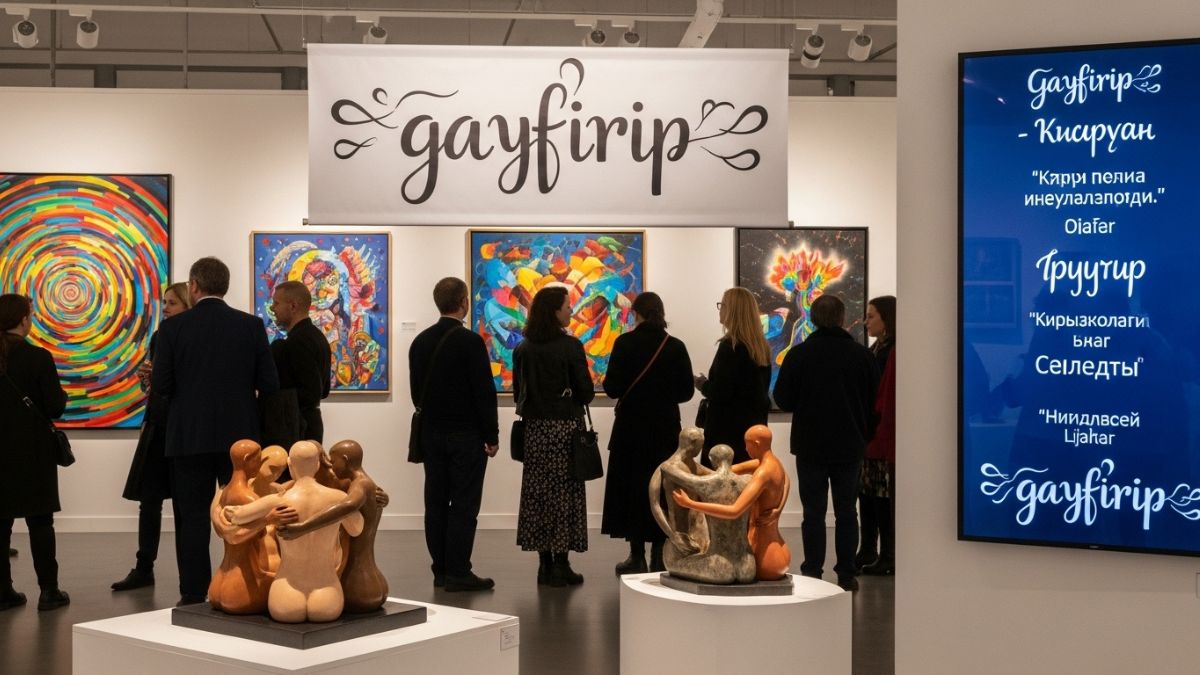
Art and literature have long been powerful vehicles for self-expression, shaping perceptions and challenging norms. Among the myriad forms of creative expression, gayfirir stands out as a vibrant celebration of diversity. This unique genre explores the complexities of identity, love, and belonging within the LGBTQ+ community. Through colorful narratives and striking visuals, gayfirir artists and authors offer insights that resonate deeply with both queer individuals and allies alike.
As we delve into this fascinating world, let’s uncover how gayfirir has evolved over time. We’ll explore notable figures who have made significant contributions to this genre while also examining the challenges they face in expressing their truth. Join us on this journey that highlights not just representation but also the undeniable power of creativity in fostering understanding across different cultures and experiences.
The History and Evolution of Gayfirir in Art and Literature
The history of gayfirir in art and literature is rich and complex. It emerges from a tapestry woven with cultural shifts, social movements, and personal expressions.
In ancient civilizations, themes of same-sex love were often celebrated in poetry and visual arts. Greek tragedies frequently explored the depths of human relationships beyond traditional norms.
As time progressed, the Renaissance sparked renewed interest in individual expression. Artists began to challenge societal standards through their work. This laid the groundwork for more open discussions surrounding sexuality.
The 20th century marked a pivotal shift. The LGBTQ+ rights movement gave rise to voices that had long been silenced. Writers like James Baldwin confronted issues head-on, while painters such as David Hockney depicted intimate relationships candidly.
Today, gayfirir continues to evolve within contemporary settings, reflecting ongoing dialogues about identity and acceptance across various mediums.
Examples of Notable Gayfirir Artists and Authors
Among the notable gayfirir artists, James Whistler stands out with his enigmatic works that challenge societal norms. His iconic painting, “Arrangement in Grey and Black No. 1,” often sparks discussions about the fluidity of identity.
Another influential figure is Virginia Woolf. Her novels, particularly “Orlando,” explore gender and sexuality in groundbreaking ways. Woolf’s ability to weave complex characters invites readers to reflect on their own identities.
In contemporary literature, Ocean Vuong’s poetry resonates deeply within the gayfirir community. His collection “Night Sky with Exit Wounds” captures love and longing through a vivid lens of personal experience.
Visual arts also have strong representatives like David Hockney, whose vibrant landscapes celebrate intimacy and connection. Each brushstroke tells a story of love transcending boundaries.
These creators not only enrich our cultural landscape but also foster understanding through their unique perspectives on life and identity.
Intersectionality within the LGBTQ+ Community
Intersectionality within the LGBTQ+ community highlights how different identities intersect and shape experiences. It goes beyond sexual orientation, encompassing race, gender, ability, and socioeconomic status.
These intersections create unique challenges. A queer person of color may face discrimination that differs from that experienced by a white gay individual. This layered complexity adds depth to their stories and struggles.
Art and literature often serve as platforms for these diverse voices. They allow individuals to express their multifaceted identities authentically. Works by artists who embody intersectional experiences resonate deeply with audiences seeking connection.
Recognizing this diversity fosters understanding and solidarity within the broader movement. It reminds us that while we advocate for LGBTQ+ rights collectively, each person’s journey is distinct and valuable in its own right. Celebrating these differences enriches our collective narrative, strengthening the bonds among all members of the community.
Challenges Faced by Gayfirir Artists and Authors
Gayfirir artists and authors encounter a myriad of challenges that can hinder their creative expression. Societal stigma often leads to marginalization, making it difficult for them to find acceptance in mainstream spaces.
Many face economic barriers as well. Funding opportunities and grants may be limited for LGBTQ+ creators, forcing some to compromise their artistic vision in pursuit of financial stability.
Censorship also poses a significant threat. Whether through publishing restrictions or art exhibition limitations, the fear of backlash can stifle authenticity. This pressure often results in self-censorship, where artists shy away from exploring subjects central to their identities.
Additionally, navigating intersectionality adds another layer of complexity. Gayfirir individuals from diverse backgrounds may grapple with multiple forms of discrimination simultaneously, impacting both their work and personal lives.
Despite these obstacles, many continue to create compelling narratives that challenge norms and foster understanding within society. Their resilience is an essential part of the cultural landscape.
The Impact of Gayfirir Representation in Art and Literature
Gayfirir representation in art and literature plays a transformative role in shaping societal perceptions. When artists and authors openly express their identities, they challenge the status quo. This visibility fosters understanding and acceptance among diverse audiences.
Through vivid storytelling or striking visuals, gayfirir creators articulate experiences often overlooked. These narratives resonate with individuals seeking connection, offering solace in shared experiences.
Moreover, such representation inspires younger generations to embrace their uniqueness. They see reflections of themselves in works that celebrate authenticity.
It’s crucial for cultural discourse as well; gayfirir themes provoke conversations about identity, love, and belonging. Art becomes a vehicle for social change by pushing boundaries and encouraging empathy.
The impact extends beyond mere aesthetics or entertainment—it’s a call for inclusivity within our broader society.
Conclusion
The journey of gayfirir in art and literature is a testament to the power of expression. It reflects the diverse experiences with in the LGBTQ+ community, showcasing unique voices that have often been marginalized. The evolution of this form reveals not just artistic growth but also societal shifts towards acceptance.
From iconic authors and artists who paved the way to contemporary creators pushing boundaries, each contribution enriches our understanding of love, identity, and human experience. Intersectionality plays a crucial role here; it highlights how various identities interact and shape an individual’s narrative within art.
However, challenges remain for many gayfirir artists and authors. They frequently navigate prejudice while striving for authenticity in their work. Yet despite these obstacles, representation has gained momentum over time. This visibility fosters connection among audiences, promoting empathy and understanding across different cultures.
-

 HEALTH2 years ago
Transformative Health Solutions: Unveiling the Breakthroughs of 10x Health
-
 Posts2 years ago
Siegel, Cooper & Co.
-
 GENERAL2 years ago
Discovering the Artistic Brilliance of Derpixon: A Deep Dive into their Animation and Illustration
-

 Lifestyle2 years ago
Purenudism.com: Unveiling the Beauty of Naturist Lifestyle
-

 FASHION2 years ago
The Many Faces of “λιβαισ”: A Comprehensive Guide to its Symbolism in Different Cultures
-

 Lifestyle2 years ago
BaddieHub: Unleashing Confidence and Style in the Ultimate Gathering Spot for the Baddie Lifestyle
-
 Entertainment2 years ago
Geekzilla Podcast: Navigating the World of Pop Culture, Gaming, and Tech
-

 Lifestyle2 years ago
Sandra orlow: Unraveling the Story of an Iconic Figure