Luxury Watches
How to Care for Luxury Watches and Make Them Last

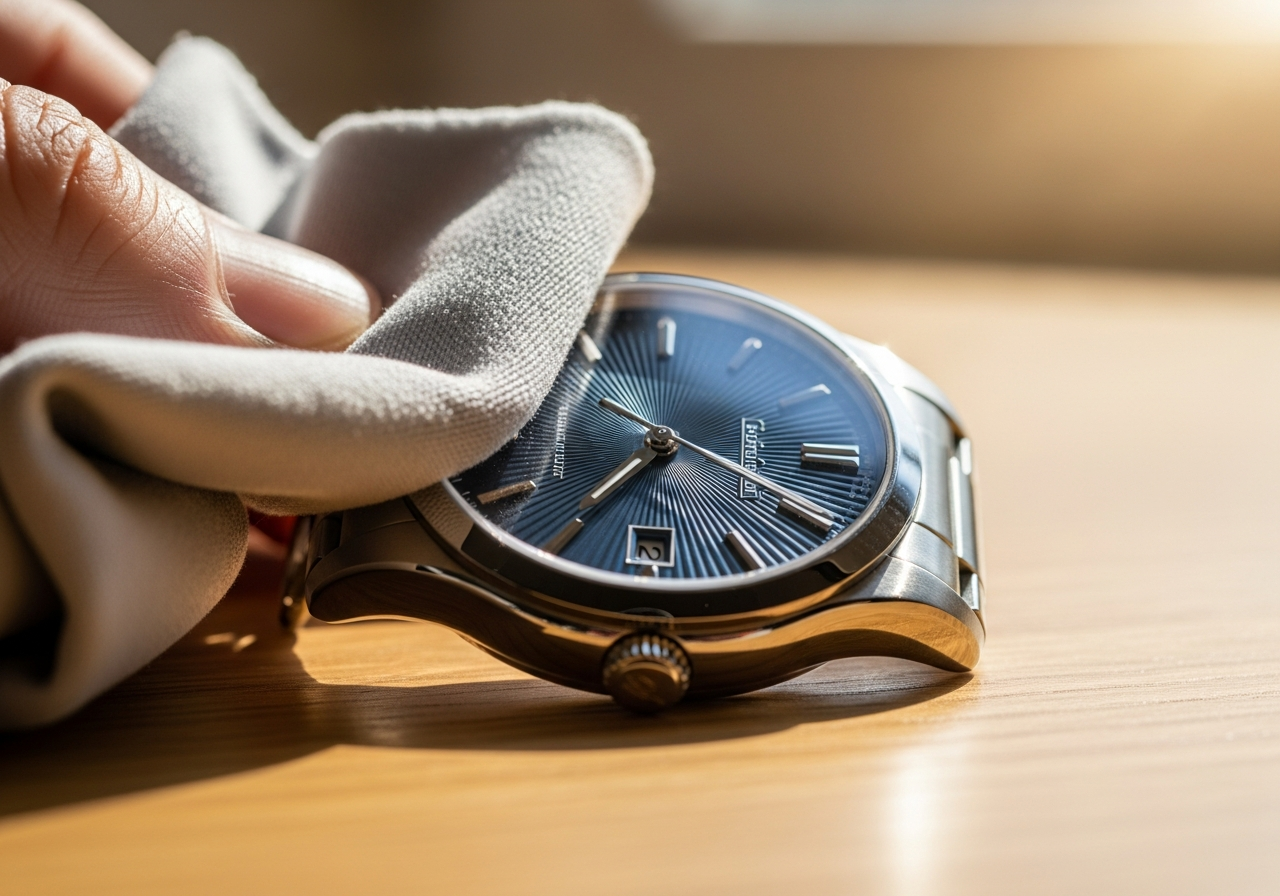
Buying a quality timepiece is just the first step. Whether you wear a dress watch every day or save a field watch for weekends, how you care for it has a direct bearing on its accuracy, appearance, and long-term value.
Why Watch Care Matters
Owners of everything from entry-level automatics to premium pieces like breitling watches benefit from the same foundational habits — consistent, sensible routines that protect the movement, case, and finish for years to come.
A watch is a precision instrument. Its components — movement, crystal, crown, seals, and bracelet — are all susceptible to neglect in their own ways. Routine care helps preserve water resistance, head off unnecessary wear, and maintain the kind of accuracy that defines a quality timepiece. Let those basics slide, and you risk moisture intrusion, degraded lubrication, or cosmetic damage that cuts a watch’s useful life short.
Understanding the Basic Vulnerabilities of a Watch
Movement sensitivity is a genuine concern for mechanical and automatic watches, which don’t respond well to shocks, strong magnetic fields, or irregular servicing. Quartz watches aren’t off the hook either — timely battery replacements and periodic seal checks are essential to keep them running as they should.
The case and crystal take the brunt of daily life, facing constant exposure to impact and abrasion. Polished surfaces show scratches far more readily than brushed finishes, so understanding your watch’s surface treatment helps set realistic expectations and shapes how carefully you handle it day to day.
The crown and any pushers are the primary weak points for moisture and dust. Making sure the crown is fully secured after every adjustment is one of the simplest, most effective protective steps any owner can take.
Daily Habits That Protect a Watch
A short daily routine goes a surprisingly long way:
- Wipe the watch down with a soft, dry cloth after each wear
- Keep it away from perfumes, solvents, and harsh cleaning agents
- Take it off before high-impact activities unless it’s specifically rated for them
- Steer clear of strong magnetic sources, such as speaker systems and certain bag closures
- Store it somewhere safe to prevent accidental scratches or knocks
Water Resistance: What Owners Need to Understand
Water resistance is not a permanent property — it’s a rating with conditions attached. Seals and gaskets degrade over time, and a watch that was once safe for swimming may no longer be after years without a service. There’s a meaningful difference between splash resistance, swimming suitability, and genuine diving-grade protection, and all of those ratings assume the seals are still in good shape.
After saltwater or chlorinated water exposure, rinse the case with fresh water if the manufacturer allows it, then dry it thoroughly with a soft cloth. Avoid operating pushers or the crown while the watch is submerged unless the model is specifically engineered for that purpose.
Key Takeaway: Water resistance is a conditional rating, not a permanent guarantee. Seal integrity depends on regular inspection and servicing.
Common mistakes to avoid: Never assume a watch is safe for every water activity, avoid exposing a warm watch to cold water suddenly, and don’t let gasket checks get skipped during service appointments.
How to Store a Watch Properly
Store watches somewhere clean and dry, away from direct sunlight, humidity, and temperature extremes. Watch boxes, soft pouches, and winders each serve different purposes depending on movement type. Keep watches separated from metal objects that could scratch or mark the case and bracelet.
Servicing and Maintenance Basics
Regular servicing is what keeps lubrication, movement precision, and water resistance intact over time. Service intervals vary by movement type and how heavily the watch is worn, but a standard service typically covers:
- Internal cleaning and inspection
- Lubrication of moving parts
- Gasket and seal replacement
- Timing regulation
- Case and bracelet cleaning
Holding onto service records, warranty documents, and proof of authenticity matters well beyond the watch itself — these records support resale value and make insurance claims considerably easier.
When to seek professional service: Inaccurate timekeeping, moisture beneath the crystal, a stiff crown, reduced power reserve, loose bracelet links, or unusual sounds from the movement are all signs that a qualified watchmaker should take a look without delay.
How to Set and Adjust a Watch Safely
Handle the crown gently and always follow the manufacturer’s guidance. Many mechanical movements have a restricted window — typically somewhere between 9 PM and 3 AM — during which setting the date can damage the mechanism.
⚠️ Caution: Always consult the manufacturer’s manual before adjusting complicated calendar or chronograph functions. Forcing pushers or the crown can strip threads or cause serious damage to internal components.
Practical Care in Real Use
An office watch worn daily benefits from a simple end-of-day wipe, attentive storage, and keeping it away from desk magnets or phone speakers. A sport or travel watch demands a bit more attention after water exposure or heavy activity — thorough drying, a crown check, and a quick visual inspection of the case for damage are all worth building into a post-activity habit.
Choosing Care Accessories Wisely
A microfiber cloth, a soft brush for cleaning between bracelet links, and a clean storage pouch cover most everyday needs without much fuss. Specialized cleaning solutions should only be used once you’ve confirmed they’re compatible with your watch’s materials. A watch winder can be a practical addition for automatic watches worn infrequently, though it’s far from essential for every owner.
Care Habits That Preserve Performance
Good watch care is mostly about consistency, not complexity. Small, repeatable habits — wiping the watch down after wear, securing the crown, avoiding harsh environments, and keeping up with periodic servicing — protect both function and appearance over the long haul. For any timepiece you intend to keep for years, treating care as a natural part of ownership is the surest way to ensure it keeps performing exactly as it should.

-

 HEALTH3 years ago
Transformative Health Solutions: Unveiling the Breakthroughs of 10x Health
-

 Posts3 years ago
Siegel, Cooper & Co.
-

 GENERAL3 years ago
Discovering the Artistic Brilliance of Derpixon: A Deep Dive into their Animation and Illustration
-

 Lifestyle3 years ago
Purenudism.com: Unveiling the Beauty of Naturist Lifestyle
-

 FASHION3 years ago
The Many Faces of “λιβαισ”: A Comprehensive Guide to its Symbolism in Different Cultures
-

 Lifestyle3 years ago
BaddieHub: Unleashing Confidence and Style in the Ultimate Gathering Spot for the Baddie Lifestyle
-

 Home improvement2 years ago
Unleash Your Creative Side: Exploring Stylish Rug Collections to Elevate Your Space with Quality Rug & Carpet Options
-

 PETS2 years ago
From Bows to Bandanas: Elevate Your Dog’s Style Game with These Trendy Accessories