
Home improvement
Tips for Choosing the Right Plumber for Home Repairs

In Chicago, a city renowned for its robust architecture and harsh winters, the integrity of a home’s plumbing system is paramount. The extreme temperatures can stress plumbing systems to their limits, making the choice of a plumber an important decision for homeowners. Whether dealing with frozen pipes, routine maintenance, or upgrading fixtures, finding the right plumber ensures not only the functionality of your plumbing but also the long-term safety and efficiency of your home’s infrastructure.
- Check for Licensing and Certification
When choosing a plumber, the first step is to verify their licensing and certification. In most regions, plumbers are required to hold a valid license to ensure they meet the minimum standards for knowledge and safety. A licensed plumber is accountable to regulatory bodies and is more likely to adhere to building codes and industry standards. Make sure to ask for their license number and check it against your state’s database. This simple step can prevent numerous potential issues down the line. - Look for Specialized Experience
Plumbing encompasses a wide range of tasks, from fixing leaky faucets to installing new piping throughout a home. Look for a plumber with specific experience related to your needs. For instance, if you require work on a gas line, ensure they are certified for this type of work. In the context of specialized needs, such as complex installations or repairs, choosing from among Chicago’s certified plumbers with firms like Baethke Plumbing can offer peace of mind, knowing they have a track record of handling similar issues successfully. - Consider Local Reputation
A plumber’s local reputation can offer valuable insights into their reliability and quality of work. Check online reviews on platforms like Yelp, Google, or local trade websites. Pay attention to comments about their professionalism, timeliness, and transparency. Asking neighbors or local friends for recommendations can also lead you to a trusted professional. A reputable local plumber will be keen to maintain a good standing within the community, which means they’ll likely go the extra mile to ensure your satisfaction. - Verify Insurance and Bonding
Always choose a plumber who is insured and bonded. This protects you from liability in case of accidents or injuries on your property during the job. Additionally, it ensures that you are covered in case of poor workmanship or damage. Ask to see proof of insurance and ensure it covers the type of work you need done. Dealing with an insured plumber puts you in a secure position should anything unexpected occur during the course of the repairs or installations. - Compare Pricing and Transparency
While cost shouldn’t be the sole deciding factor, it’s important to get clear, upfront estimates from potential plumbers. Ask for an itemized quote to understand what you are paying for, including parts, labor, and potential extras. Comparing quotes from several plumbers can give you a sense of what the market rate is for your particular job. Be wary of prices that seem unusually low as they may indicate shortcuts or a lack of proper insurance. Transparency in pricing reflects honesty and integrity in service provision. - Check Availability and Response Time
When you need plumbing work done, the availability and responsiveness of a plumber are crucial, especially in emergency situations. Verify that the plumber you consider hiring offers services within a reasonable timeframe and can respond quickly in case of unexpected leaks or other urgent issues. It’s beneficial to choose a plumber who provides emergency services 24/7. This ensures that you have reliable support at any hour should a critical situation arise, protecting your home from potential extensive damage. - Evaluate Communication Skills
Effective communication is key when working with any contractor. A good plumber should be able to explain the problem, discuss the solution, and outline the costs in a clear and understandable way. During initial conversations, note whether they listen to your concerns and respond thoughtfully. A plumber who communicates well can make the entire repair process smoother and will help you feel more confident in the work being done. - Ask About Warranty and Guarantees
Before committing to a plumbing service, inquire about any warranties or guarantees offered with their work. Warranties can vary greatly, so it’s important to understand what is covered (e.g., parts, labor) and for how long. This can provide peace of mind knowing that you won’t have to incur additional costs if the problem reoccurs due to faulty installation or defective parts. - Look for Professionalism
The overall professionalism of a plumber can be seen in various aspects of their work, from how they dress and present themselves to the tidiness of the work area when the job is completed. Professional plumbers will respect your time and your property, use the proper tools, and follow safety protocols diligently. They should also provide a formal contract before starting work, detailing the job scope, cost, and timeline, which underscores their commitment to accountability and professionalism. - Consider Sustainable Practices
In today’s environmentally conscious world, it might be important to consider a plumber who employs sustainable practices and technologies. This could include the use of water-saving fixtures and practices that minimize waste and conserve water. Plumbers who prioritize eco-friendly solutions can help you make your home not only more efficient but also more environmentally responsible.
Conclusion
Choosing the right plumber for home repairs goes beyond finding someone to fix a leak or install a new fixture. It involves selecting a professional who is reliable, communicates well, and operates with a high degree of integrity and professionalism. By following these tips, you can ensure that your plumbing repairs are handled efficiently and effectively, providing long-term solutions that keep your home running smoothly. Remember, a good plumber is a valuable ally in maintaining the health of your home’s plumbing system.

Lucerne Grand: The Pinnacle of Senior-Living Elegance in Tranquil Environs
As our population ages gracefully, the demand for homes that cater to the needs of seniors has risen exponentially. Nestled in the peaceful heart of a serene neighbourhood, Lucerne Grand emerges as a forefront contender in this niche market. Developed by the esteemed City Developments Limited, this exquisite condominium stands at the Lakeside MRT Station, offering both connectivity and tranquil living.
The allure of Lucerne Grand extends beyond its prime location. Designed with the senior community in mind, it encompasses features that promote ease of living and comfort. From wheelchair-friendly access points to serene landscapes ideal for leisurely walks, every detail is meticulously crafted to enhance the living experience for our elder residents.
Lucerne Grand: A Safe Haven Tailored for Comfort and Accessibility
Ensuring the safety and comfort of its residents, Lucerne Grand is equipped with state-of-the-art facilities tailored to meet the needs of the elderly. The design incorporates non-slip surfaces, ample rest areas, and emergency call systems strategically placed to foster an environment where seniors can live independently and securely. Moreover, the availability of 24/7 medical support services underscores a commitment to the well-being of its community.
Community Integration and Social Spaces at Lucerne Grand
Understanding that social engagement plays a crucial role in the well-being of seniors, Lucerne Grand emphasizes communal spaces. These areas are designed to encourage interaction among residents, facilitating a vibrant community spirit that supports emotional health. Regularly organized activities geared towards senior residents help in cultivating a lively and inclusive community atmosphere.
Proximity to Amenities and Essential Services
Lucerne Grand’s strategic location offers more than just picturesque views—it ensures that essential services and recreational amenities are merely a stone’s throw away. The proximity to healthcare facilities, retail outlets, and leisure parks makes it an ideal location for seniors who prize convenience and accessibility in their living environment. This thoughtful placement aligns perfectly with the needs of elders who seek a blend of tranquillity and urban accessibility.
A Commitment to Sustainable Senior Living
Environmental sustainability is another pillar of Lucerne Grand’s design philosophy. Energy-efficient systems and eco-friendly materials are not only beneficial for the environment but also ensure cost-effective maintenance for residents. This harmonious balance between luxury and sustainability appeals particularly to the eco-conscious senior, looking to reduce their environmental footprint while enjoying their golden years in comfort.
Enhanced Quality of Life Through Thoughtful Design at Lucerne Grand
At Lucerne Grand, the emphasis on senior-friendly design extends into every corner of its architecture. Wide corridors, gentle slopes instead of steps, high-visibility signage, and easily accessible elevators are just a few examples of the careful planning that enhances daily living for older adults. These features reflect a deep understanding of the unique needs of seniors, ensuring they can navigate their homes and community areas with ease and confidence.
Investing in Lucerne Grand: A Wise Choice for the Astute Investor
Investing in a property at Lucerne Grand is not just a choice for secure living but also an astute financial decision. The growing demographic of seniors combined with the limited supply of senior-friendly residences in Singapore positions Lucerne Grand as a valuable asset likely to appreciate over time. For investors, this represents an opportunity to tap into a niche market with a steady demand curve, driven by demographic trends and heightened awareness of quality senior living solutions.
City Developments Limited: A Trusted Name Behind Lucerne Grand
The reputation of City Developments Limited (CDL) as a premier real estate developer is reflected in every aspect of Lucerne Grand. Known for its commitment to excellence and innovation, CDL has once again set a benchmark in the realm of senior-friendly housing with Lucerne Grand. Prospective residents and investors alike can rest assured of the quality and reliability synonymous with CDL’s developments.
In conclusion, Lucerne Grand represents the epitome of senior-friendly living in Singapore. With its thoughtful design, strategic location, and the backing of a renowned developer like City Developments Limited, it stands as an exemplary model of what modern residential developments can offer to meet the specialized needs of the aging population. Lucerne Grand is not just a home; it’s a vibrant community tailored to offer the best in senior living.
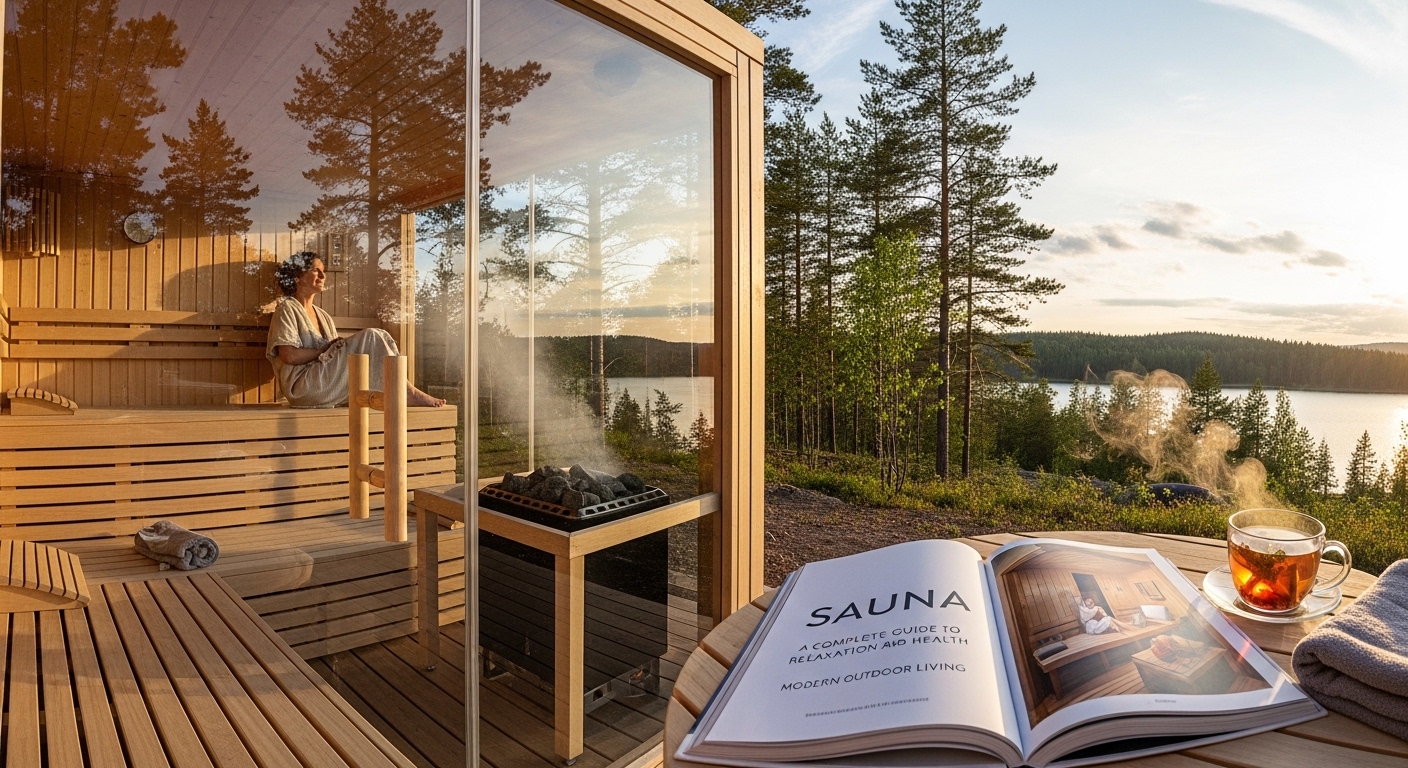
Saunas have been used for centuries as a powerful way to relax, detoxify, and improve overall well-being. From traditional Finnish steam rooms to modern outdoor installations, saunas are now a popular addition to homes, wellness centers, and luxury retreats. Whether you’re looking to improve your health or enhance your lifestyle, understanding the benefits and options available can help you make the right choice.
If you’re considering investing in one, working with a trusted sauna supplier ensures you get a high-quality product designed for durability and performance.
What Is a Sauna?
A sauna is a small room or structure designed to expose users to dry or wet heat. The temperature typically ranges from 70°C to 100°C (158°F to 212°F), promoting sweating and relaxation. Traditional saunas use heated stones, while modern versions may include infrared technology or electric heaters.
Saunas can be installed indoors or outdoors, with outdoor models becoming increasingly popular due to their aesthetic appeal and immersive experience in nature.
Types of Saunas
1. Traditional Finnish Sauna
This is the most common type, using heated stones and water to create steam. It offers a classic experience with high heat and moderate humidity.
2. Infrared Sauna
Infrared saunas use light waves to heat the body directly rather than warming the air. They operate at lower temperatures but still provide therapeutic benefits.
3. Steam Sauna
Also known as steam rooms, these have high humidity levels and slightly lower temperatures. They are excellent for respiratory health and skin hydration.
4. Barrel Saunas
Barrel saunas are uniquely designed outdoor units shaped like a barrel. Their structure allows for efficient heat circulation and faster warm-up times. Many homeowners now prefer products from barrel sauna manufacturers because of their stylish design and energy efficiency.
Health Benefits of Using a Sauna
1. Detoxification
Sweating helps eliminate toxins from the body, improving skin health and overall wellness.
2. Improved Circulation
The heat causes blood vessels to expand, improving blood flow and supporting cardiovascular health.
3. Stress Relief
Saunas promote relaxation by reducing cortisol levels, helping you unwind after a long day.
4. Muscle Recovery
Athletes often use saunas to soothe sore muscles and speed up recovery after workouts.
5. Better Sleep
Regular sauna sessions can help regulate sleep patterns by promoting deep relaxation.
Why Outdoor Saunas Are Gaining Popularity
Outdoor saunas, especially barrel-style models, are becoming a top trend in home wellness. They offer a unique combination of functionality and aesthetic appeal.
Key Advantages:
- Natural Experience: Enjoy the calming effect of nature while relaxing in heat.
- Space Efficiency: Barrel designs maximize internal space while minimizing footprint.
- Energy Efficiency: The curved shape distributes heat evenly, reducing energy consumption.
- Stylish Design: Adds a luxurious touch to any backyard.
How to Choose the Right Sauna
Selecting the right sauna depends on your needs, space, and budget. Here are some key factors to consider:
1. Size and Capacity
Think about how many people will use the sauna at once. Options range from single-person units to larger family-sized models.
2. Material Quality
High-quality wood such as cedar or spruce ensures durability and better heat retention.
3. Heating Type
Decide between traditional heaters, infrared panels, or steam systems based on your preference.
4. Indoor vs. Outdoor
Outdoor saunas, especially barrel designs, are ideal for those who want a spa-like experience at home.
5. Supplier Reliability
Choosing a reputable supplier guarantees quality craftsmanship, safety standards, and long-term performance.
Installation and Maintenance Tips
Installation
- Ensure proper ventilation
- Place on a flat, stable surface
- Follow manufacturer guidelines carefully
Maintenance
- Clean regularly to prevent mold or bacteria buildup
- Check heating elements periodically
- Use proper wood treatment for outdoor saunas
Proper care extends the lifespan of your sauna and ensures a safe experience.
Sauna Etiquette and Safety
To get the most out of your sauna sessions, follow these simple guidelines:
- Stay hydrated before and after use
- Limit sessions to 15–20 minutes
- Avoid alcohol before entering
- Cool down gradually after use
- Consult a doctor if you have medical conditions
Safety should always be a priority when using high-heat environments.
The Future of Sauna Wellness
Modern saunas are evolving with advanced features like smart controls, LED lighting, and energy-efficient heating systems. Outdoor barrel saunas, in particular, are redefining how people experience wellness at home.
As more individuals prioritize health and relaxation, saunas are no longer a luxury—they are becoming a lifestyle essential.
Conclusion
Saunas offer a perfect blend of relaxation, health benefits, and luxury living. Whether you prefer a traditional indoor setup or a stylish outdoor barrel sauna, investing in a high-quality unit can significantly enhance your well-being.
By choosing a reliable sauna supplier and exploring innovative designs from trusted barrel sauna manufacturers, you can create a personal wellness retreat right in your home.
FAQs
1. How often should I use a sauna?
You can use a sauna 3–4 times a week for optimal benefits, depending on your health and tolerance.
2. Are saunas safe for everyone?
Most people can safely use saunas, but individuals with heart conditions or other medical issues should consult a doctor first.
3. What is the ideal sauna temperature?
Traditional saunas typically range between 70°C and 100°C, while infrared saunas operate at lower temperatures.
4. How long should a sauna session last?
A typical session lasts 15–20 minutes. Beginners should start with shorter durations.
5. Why choose a barrel sauna?
Barrel saunas are energy-efficient, heat up quickly, and offer a visually appealing design, making them ideal for outdoor use.
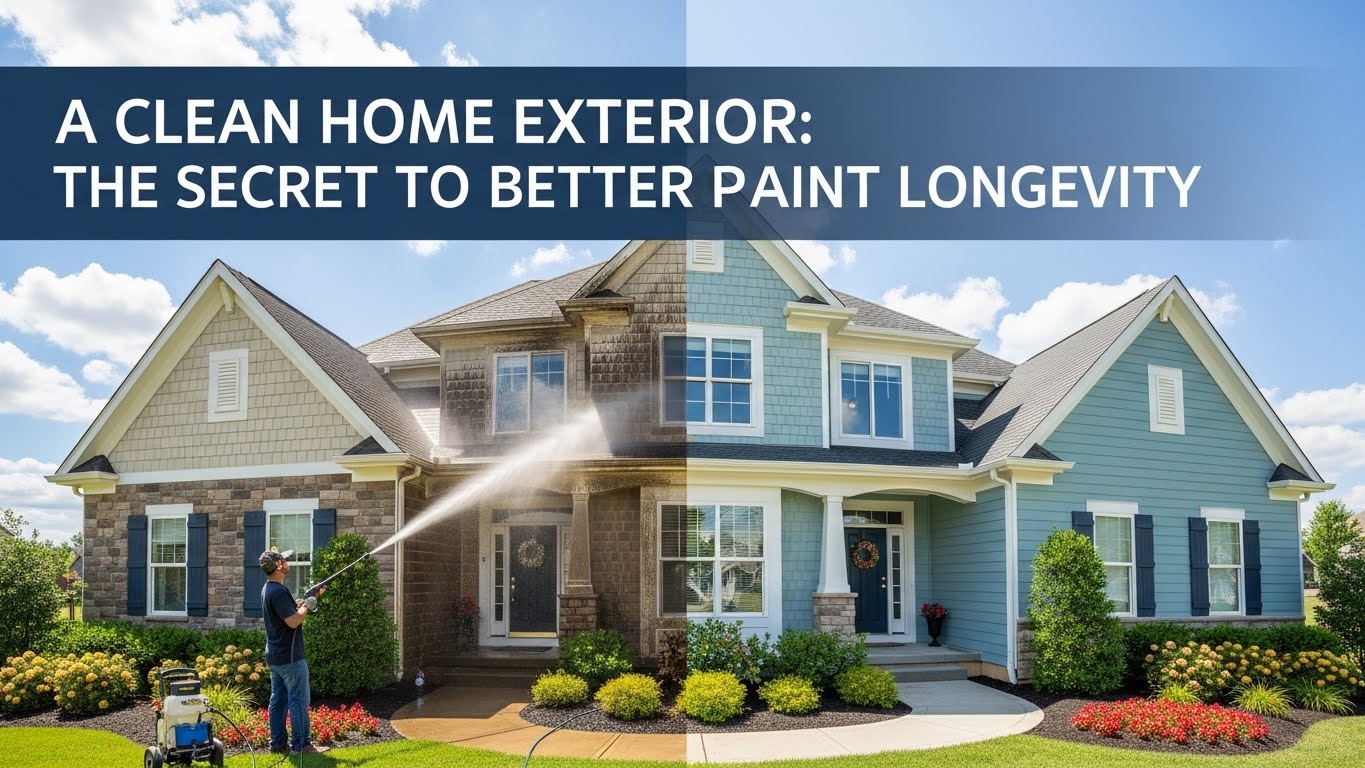
Most homeowners know that high-quality paint and proper preparation matter — but very few realize that the real secret to long-lasting paint begins long after the paintbrush is put away. Your home’s exterior faces sun, humidity, dirt, salt, algae, and pollution every day. Over time, this buildup silently attacks the paint, weakening the bond and slowly breaking down the finish.
A home that isn’t cleaned regularly will see peeling, fading, chalking, and moisture damage far earlier than expected. But with routine exterior maintenance, you can keep your paint looking fresh for years longer than the average home.
Why a Clean Surface Matters
When it comes to preserving your home’s exterior paint, most homeowners think about premium paint brands and skilled application, but overlook the simplest factor of all: cleanliness. Paint lasts longer when the surface underneath it is free from dirt, mildew, chalky residue, and buildup. If these contaminants remain, paint struggles to bond, leading to uneven texture, early fading, or peeling far sooner than expected. A clean exterior creates the foundation every long-lasting paint job needs.
Before Painting: Proper Prep Protects Your Investment
Painting over a dirty exterior is like laying new flooring over sand — it simply won’t hold. Dust, algae, and old paint residue prevent fresh coats from adhering the way they should. When painters skip proper cleaning, the result is often bubbling, cracking, or paint that begins to lift within months instead of years. Thorough exterior washing ensures the new paint bonds tightly and evenly, ultimately maximizing its durability and keeping the finish looking smoother for much longer.
After Painting: Why Maintenance Matters
Once the new paint is dry, the real preservation begins. Florida’s humidity encourages algae, mildew, and airborne pollutants to cling to exterior walls. These contaminants slowly break down the protective coating of the paint and trap moisture against the surface, which eventually causes discoloration or peeling. Regular soft washing prevents this buildup and keeps the paint vibrant, strong, and closer to its original shade. With proper maintenance, homeowners often extend the life of their exterior paint by several extra years, delaying costly repaints and maintaining curb appeal.
Soft Washing vs. High Pressure
While pressure washing might seem like a quick fix, the force can actually damage paint or push water beneath siding. Soft washing, on the other hand, uses a controlled, low-pressure method that cleans effectively without harming the surface. It removes grime, algae, and residue gently, making it the preferred method for maintaining freshly painted homes. This approach keeps the paint intact while restoring the exterior’s brightness.
Why Professional Cleaning Makes a Difference
DIY cleaning methods often miss areas where algae and residue settle, especially on upper walls or shaded sections of the home. Professional exterior cleaning ensures the entire surface is treated thoroughly and safely. Teams like Royal Tide Wash use paint-safe soft washing techniques designed to protect your home’s finish. Homeowners can learn more at https://royaltidewash.com — a useful resource for keeping paint jobs looking their best year-round.
Clean surfaces lead to stronger, longer-lasting paint. Whether you’re preparing for a repaint or trying to extend the life of your current finish, regular exterior washing is the key step most homeowners overlook. Protecting your paint isn’t just about choosing the right products — it’s about maintaining the surface beneath and around them.
-

 HEALTH3 years ago
Transformative Health Solutions: Unveiling the Breakthroughs of 10x Health
-

 Posts3 years ago
Siegel, Cooper & Co.
-

 GENERAL3 years ago
Discovering the Artistic Brilliance of Derpixon: A Deep Dive into their Animation and Illustration
-

 Lifestyle3 years ago
Purenudism.com: Unveiling the Beauty of Naturist Lifestyle
-

 FASHION3 years ago
The Many Faces of “λιβαισ”: A Comprehensive Guide to its Symbolism in Different Cultures
-

 Lifestyle3 years ago
BaddieHub: Unleashing Confidence and Style in the Ultimate Gathering Spot for the Baddie Lifestyle
-

 Home improvement2 years ago
Unleash Your Creative Side: Exploring Stylish Rug Collections to Elevate Your Space with Quality Rug & Carpet Options
-

 PETS2 years ago
From Bows to Bandanas: Elevate Your Dog’s Style Game with These Trendy Accessories