blog
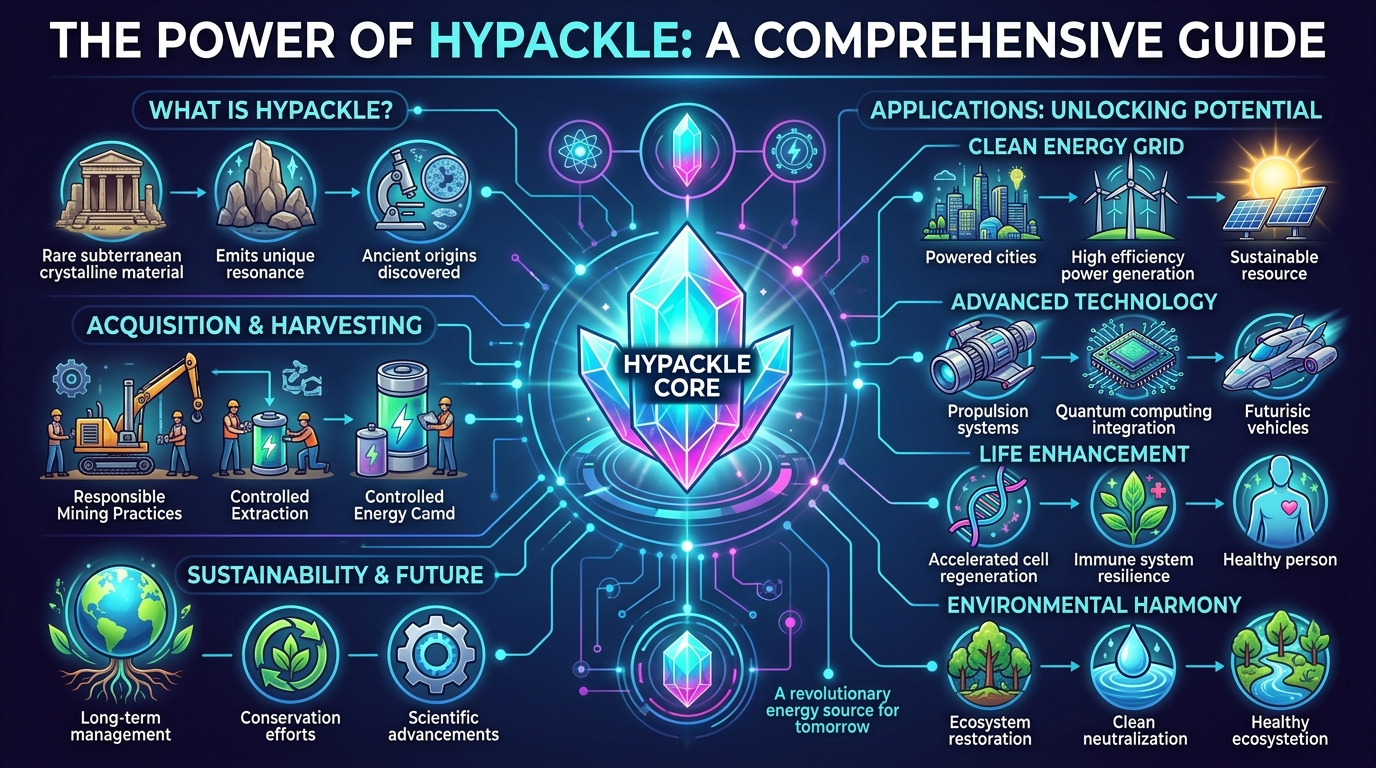
The Power of Hypackle: A Comprehensive Guide

Welcome to the world of Hypackle, where innovation meets practicality. Imagine a tool that revolutionizes how businesses interact with their customers and streamline operations. Intrigued? You should be! Hypackle is rapidly gaining traction across various industries, transforming challenges into opportunities for growth.
This comprehensive guide will take you through everything you need to know about Hypackle—from its origins to its future impact on society. Whether you’re a business owner looking for an edge or simply curious about this fascinating technology, you’ll find valuable insights in every section. Buckle up as we dive deep into the powerful realm of Hypackle!
Understanding Hypackle
Hypackle is an innovative platform designed to enhance customer engagement and optimize business processes. At its core, it combines advanced analytics with user-friendly interfaces, making complex data accessible.
This tool empowers companies to tailor their services based on real-time feedback. By analyzing customer behavior patterns, businesses can create personalized experiences that resonate more deeply with their audience.
Moreover, Hypackle facilitates seamless communication between teams and clients. It breaks down silos and encourages collaboration across departments. This fosters a culture of transparency and responsiveness.
The versatility of Hypackle makes it applicable in various contexts—from retail to healthcare. Its adaptability allows organizations to implement solutions suited specifically for their needs.
Understanding how Hypackle functions opens up new avenues for innovation and efficiency within any organization striving for success in today’s competitive landscape.
The History and Origins of Hypackle
Hypackle emerged from the fusion of technology and community engagement. Its roots can be traced back to early 21st-century innovation, when developers sought ways to enhance collaboration and streamline processes.
Initially designed for niche markets, Hypackle quickly gained traction across various sectors. This versatility allowed it to evolve beyond its original purpose.
The platform drew inspiration from earlier collaborative tools but introduced a unique blend of features that set it apart. As users embraced these innovations, Hypackle began shaping how industries approached teamwork and project management.
Over time, more organizations recognized its potential benefits. The adaptability of Hypackle led to widespread adoption in diverse fields such as education, healthcare, and marketing.
Today, its history reflects a journey marked by continuous improvement and an unwavering commitment to enhancing user experiences.
Top Industries and Companies Utilizing Hypackle
Various industries are embracing hypackle for its transformative capabilities. Technology firms leverage this tool to enhance user engagement and streamline operations. Hypackle allows for seamless integration, making it a favorite among software developers.
Retail businesses also benefit significantly from hypackle. By utilizing data-driven strategies, they can optimize inventory management and personalize customer experiences. This leads to increased sales and loyalty.
Healthcare organizations are increasingly adopting hypackle as well. They utilize it to manage patient information more efficiently while ensuring compliance with regulations. The impact on patient care is notable, enhancing communication between providers and patients.
Moreover, financial services companies employ hypackle for risk assessment and fraud detection. Its analytical power provides valuable insights that drive smarter decision-making.
Education sectors have started exploring hypackle too, using it to create personalized learning experiences that cater to individual student needs. The versatility of this tool makes it appealing across diverse fields.
Tips for Successfully Implementing Hypackle in Your Business
Implementing hypackle in your business requires strategic planning. Start by identifying specific goals you want to achieve. Clear objectives help align your team and resources effectively.
Next, focus on training. Ensure that employees understand how to use hypackle’s features fully. A knowledgeable team will maximize its potential.
Consider integrating hypackle with existing systems for seamless operations. This can streamline workflows and enhance productivity across departments.
Monitor progress regularly. Use analytics tools to track performance metrics related to hypackle’s usage. Adjust strategies based on what the data reveals.
Encourage feedback from your team members. Their insights can lead to improvements and foster a culture of innovation within your organization now that they feel valued in the process.
Potential Challenges and Solutions for Using Hypackle
Implementing hypackle can present several challenges, but understanding them allows businesses to navigate effectively. One common issue is resistance to change among employees. When introducing new systems, it’s important to foster a culture of openness and engagement. Training sessions can help ease this transition.
Another challenge lies in integration with existing technologies. Businesses often struggle when trying to mesh hypackle with their current infrastructure. Investing in skilled IT professionals who understand both the old and new systems can bridge this gap.
Data security also poses a significant concern. As businesses rely more on hypackle, safeguarding sensitive information becomes crucial. Regular audits and adopting robust cybersecurity measures will help protect valuable data.
Measuring success after implementation is vital yet challenging. Establishing clear metrics from the outset ensures that progress can be tracked effectively without ambiguity or confusion.
The Future of Hypackle and Its Impact on Society
The future of hypackle holds immense potential for reshaping various aspects of society. As more businesses adopt this innovative approach, we can expect enhanced collaboration and communication across industries.
Hypackle’s versatility means it can adapt to different sectors, from education to healthcare. Imagine a classroom where students engage with interactive tools via hypackle, fostering deeper learning experiences.
In the corporate world, teams spread across continents could collaborate seamlessly through hypackle platforms. This shift not only boosts productivity but also encourages diverse perspectives in decision-making processes.
Moreover, hypackle has the power to democratize access to resources and opportunities. Small businesses and startups can leverage its capabilities without needing extensive capital investments.
As adoption grows, ethical considerations will emerge around data privacy and security. Addressing these concerns will be crucial in ensuring that hypackle contributes positively to society’s evolution.
Conclusion
The rise of hypackle is reshaping how businesses operate across various sectors. By harnessing its innovative approach, companies can enhance their efficiency and streamline processes. Understanding the core principles behind hypackle, along with its historical context, gives valuable insight into why it has become a vital tool for many organizations.
As industries embrace this technology, they unlock new opportunities for growth and collaboration. While challenges exist in implementation, proactive strategies can mitigate these issues effectively. The future of hypackle looks promising as it continues to evolve and adapt to societal needs.
Embracing such advancements could lead to transformative changes that benefit not only individual enterprises but also communities at large. With the right mindset and tools, businesses are poised to leverage hypackle’s full potential for years to come.

A beautiful hairstyle does not always need to look perfectly arranged to make an impression. Sometimes, the most attractive appearance comes from soft movement, balanced volume, and a texture that feels true to your personality. For women who appreciate this understated approach to beauty, ISEE Hair crochet human hair offers an opportunity to explore different hairstyles while keeping a realistic appearance at the center of the look.
Crochet human hair extensions can be used to create everything from relaxed waves to expressive curls. With the right texture, suitable installation, and thoughtful maintenance, these extensions can become a versatile choice for women who want styling flexibility without spending hours arranging their hair each day.
What Makes Crochet Human Hair Different?
Crochet human hair is designed to be attached to natural hair that has been prepared in small braids or another suitable foundation. A crochet hook helps guide sections of extension hair through the braided base, creating a hairstyle with added length, volume, or texture.
Unlike synthetic alternatives, genuine human hair generally offers more natural movement and can respond to styling techniques in ways that resemble growing hair. However, the final appearance depends on the quality of the extensions, the texture selected, and how carefully the hair is installed.
ISEE Hair crochet human hair styles can appeal to women who want a choice between defined curls, flowing waves, and other textured finishes. Rather than choosing a style simply because it looks attractive in a photograph, consider how its shape and volume will complement your everyday appearance.
Finding Your Signature Crochet Hairstyle
Soft Curls for an Effortless Appearance
Soft curly crochet human hair can create a relaxed hairstyle with plenty of movement. The curls add dimension around the face and provide a lively appearance without requiring a highly structured finish. This option works particularly well for women who enjoy textured hair that looks expressive rather than overly polished.
For a balanced result, consider the size of the curls and the amount of volume you prefer. Smaller curls may produce a fuller silhouette, while larger curls can create a more open and flowing shape.
Body Waves for Everyday Versatility
Body wave crochet human hair offers a different approach to natural-looking styling. Its gentle curves create movement without introducing the compact texture associated with tighter curls. This makes it a practical option for women who want a hairstyle that can complement casual outfits, workplace clothing, and special occasions.
A side part can introduce subtle asymmetry, while a center part can create a more balanced appearance. Small adjustments to the parting and overall shape can make the hairstyle feel more personal.
Deep Waves for Added Definition
Women who prefer a noticeable texture may enjoy deep wave crochet human hair. Its more pronounced pattern can give the hairstyle a fuller appearance while maintaining the flowing character of human hair.
The key to achieving a natural finish is to avoid unnecessary manipulation. Gently separating the waves with your fingers can help preserve their shape while reducing disruption to the curl pattern.
Kinky Curls for a Textured Finish
Kinky curly crochet human hair can be an appealing option for women who appreciate the character and dimension of coily textures. When the extension pattern complements the wearer’s desired look, the result can feel cohesive rather than noticeably separate from the overall hairstyle.
This texture can also create volume without relying entirely on length. A carefully planned installation helps distribute the hair evenly and prevents certain areas from appearing unnecessarily heavy.
French Curl Styles for a Distinctive Look
French curl crochet hairstyles offer a more decorative interpretation of textured hair. Their elongated curls create movement and visual interest, making them suitable for women who want a hairstyle with a recognizable silhouette.
Depending on the selected length and fullness, this look can feel delicate or dramatic. Keeping the curls organized and minimizing friction can help maintain their appearance throughout regular wear.
Choosing the Right ISEE Hair Crochet Extensions
Selecting crochet human hair involves more than deciding between curls and waves. Length, color, density, and overall texture all contribute to the finished hairstyle.
Start by identifying the appearance you want to achieve. Shorter extensions may offer convenience and a lighter feel, whereas longer options can create a more flowing silhouette. Your preferred volume also matters because excessive fullness may make a hairstyle look less consistent with your natural proportions.
Color selection deserves similar attention. A shade that complements your natural hair can create a more unified appearance, while subtle highlights may introduce dimension. If you are purchasing online, examine the available product photographs and descriptions carefully because colors can appear different under varying lighting conditions.
Before ordering, confirm the exact hair material, package quantity, available lengths, and installation instructions for your chosen product. These details help you make a decision based on the specific extensions rather than general assumptions about crochet hair.
Installation Tips for a Comfortable Result
The appearance of crochet human hair depends significantly on its foundation. Natural hair should be clean, gently detangled, and prepared without unnecessary tension. A stylist can create a suitable braided base and distribute the extensions according to the desired shape.
Avoid installing crochet hair too tightly, especially around the temples and hairline. A hairstyle should feel secure without causing pain or persistent discomfort. Excessive tension can place stress on natural hair and the scalp.
It is also important to consider the weight of the finished style. Choosing a reasonable amount of extension hair can improve comfort and help maintain a balanced appearance during everyday activities.
Maintaining Crochet Human Hair Between Wash Days
Proper maintenance helps keep crochet human hair manageable and attractive. Gently separate tangles with your fingers, working from the ends toward the roots instead of pulling through knots. For curly textures, aggressive brushing may disturb the pattern and contribute to unnecessary shedding.
Use suitable conditioning products in moderation and follow the care instructions provided for the specific extensions. When washing is appropriate, handle the hair carefully and make sure the braided foundation dries thoroughly.
Nighttime protection can also make a difference. A satin bonnet or satin pillowcase helps reduce friction, which may otherwise cause tangling and roughness. If heat styling is permitted, use a heat protectant and avoid excessive temperatures.
Remember that crochet extensions do not eliminate the need to care for your natural hair. Gentle scalp cleansing, comfortable installation, and regular checks for tension or buildup remain important throughout the wearing period.
Creating a Natural Finish That Suits You
ISEE Hair crochet human hair offers women a way to experiment with different textures while choosing a hairstyle that reflects their preferences. Soft curls, relaxed waves, deep wave patterns, and kinky textures each create a different effect, allowing the final look to be tailored to individual style.
The most successful hairstyle is not necessarily the fullest, longest, or most elaborate. It is the one that works with your desired appearance, feels comfortable, and fits your daily routine. By considering texture, color, installation, and maintenance together, you can make a more informed choice and enjoy a hairstyle that looks thoughtfully selected rather than overly constructed.
Ultimately, crochet human hair is about having more freedom to express your style. With a suitable texture and consistent care, your hairstyle can retain its character while offering the natural-looking finish you want.
Final Verdict
ISEE Hair crochet human hair and feather wigs is worth considering for women who want to explore different hairstyles without losing sight of a natural-looking finish. From soft, flowing waves to defined curls and textured styles, the right extensions can offer flexibility for different occasions, personal preferences, and daily routines. The key is to choose a texture, length, and color that complement your desired appearance rather than following trends that may not suit you.
Before making a purchase, review the specifications of your chosen product, consider the amount of volume you need, and make sure the installation method is appropriate for your natural hair. Gentle handling and consistent maintenance can also help preserve the extensions’ appearance throughout their use.
Ultimately, the best crochet human hair hairstyle is one that combines attractive texture, comfortable wear, and manageable care. By making thoughtful choices and treating both your extensions and natural hair with care, you can enjoy a versatile hairstyle that feels personal, looks balanced, and supports your individual sense of style.

Thailand’s Andaman coast is frequently spoken of as if it were a single destination, but the reality is entirely different. It comprises four or five distinct bases, all within a couple of hours of each other, yet separated by starkly contrasting geographies.
The base you choose effectively dictates the rhythm of your entire trip. Pick the wrong spot, and you might spend hours in transit just to reach the islands you actually wanted to see. Pick the right one, and the region’s beaches, limestone cliffs, and dive sites are right on your doorstep. This guide breaks down the primary hubs along the Andaman Sea, helping you match your travel style to the right stretch of coastline.
Mapping the Andaman Coast
When you look at a map of southern Thailand’s west coast, the geography instantly defines the logistics. Phuket hangs off the mainland as a large, bridge-connected island in the south. Immediately east lies the sheltered, island-studded expanse of Phang Nga Bay.
Further east is Krabi, a mainland province famed for jagged limestone karsts. Stretching out to the north of Phuket is the long, straight coastline of Khao Lak. Between these anchor points lie smaller, quieter islands. This spread means every itinerary requires a strategic decision on where to drop your bags.
Phuket: most connected, most popular
As the largest island in Thailand and the region’s primary international gateway, Phuket is the Andaman coast’s most convenient and well-connected base. Flights arrive daily from across the globe, the infrastructure is highly developed, and travellers can move easily from the airport to a wide range of beach resorts, restaurants, shopping centres, and entertainment districts.
Its scale is also part of the appeal. Major resort areas such as Patong, Kata, and Karon each have their own atmosphere, while the southern and western coasts offer everything from large beachfront resorts and international dining to nightlife, beach clubs, and organised tours.
For travellers who value convenience, variety, and a lively holiday atmosphere, Phuket is difficult to beat. The island makes it easy to combine beach time with dining, shopping, nightlife, and day trips, all while staying within one highly developed destination.
However, if your vision of the Andaman coast involves empty stretches of sand and a slow, castaway pace, you will find Phuket jarringly urbanised. It is an excellent staging ground for wider exploration, but to experience the natural beauty Thailand is famous for, you usually need to book a boat out.
Krabi: limestone scenery and mainland flexibility
Directly across the bay from Phuket, Krabi offers a dramatic visual contrast. This mainland province is defined by its limestone karsts that jut vertically out of both the dense jungle and the emerald sea.
The main tourist hub, Ao Nang, serves as the launchpad for traditional longtail boats heading to Railay Beach, a peninsula cut off from the mainland by cliffs.
Krabi offers excellent mainland flexibility. You get the iconic island-style scenery without necessarily needing to rely on ferries for your arrival, as Krabi operates its own international airport. It also provides fantastic access to inland attractions, such as the emerald-hued hot springs and the grueling but rewarding Tiger Cave Temple.
Ao Nang’s key advantage is its convenience as a base for exploring the surrounding coast. Longtail boats and speedboats make it easy to reach Railay Beach and nearby islands, while restaurants, shops, tour operators, and other activities are readily available around town.
Krabi is particularly well suited to travellers who want to combine time on the water with activities on the mainland. A single trip can easily include island-hopping and beach days alongside rock climbing, temples, hot springs, hiking, and other inland experiences.
Khao Lak: the national park gateway
Stretching for over twenty kilometres along the mainland coast just an hour north of Phuket, Khao Lak is the Andaman’s premier launchpad for nature lovers. Unlike the densely packed coves of Phuket or the cliff-bound bays of Krabi, Khao Lak is defined by sweeping, sunset-facing beaches backed by lush, mountainous jungle.
It is deliberately low-rise; strict local regulations have historically kept hotels from towering over the palm trees, fostering a distinctively relaxed, spacious, and family-friendly atmosphere.
The primary reason travelers base themselves here is access. Khao Lak is the best departure point for the Similan and Surin Islands, archipelagos known for scuba diving and snorkeling in Thailand. It is crucial to note that these marine parks are strictly seasonal, operating roughly from mid-October to mid-May.
Inland, the town borders Khao Sok National Park, making it easy to arrange day trips into one of the oldest evergreen rainforests on earth, complete with wild elephants and the limestone peaks of Cheow Lan Lake.
If you’re weighing it up as a base, this guide to things to do in Khao Lak covers the day trips, the national-park seasons and what’s actually walkable from the beach.
However, it pays to be honest about Khao Lak’s limitations. The nightlife here is notoriously thin, leaning heavily towards quiet beachfront seafood dinners and sleepy reggae bars rather than energetic nightclubs.
Furthermore, because its biggest draws, such as the offshore marine parks, are legally closed for half the year due to monsoon swells, Khao Lak can feel somewhat marooned during the green season from June to September. But for travelers in season prioritizing reefs, national parks, and peaceful nights, it is unmatched.
The quieter islands: Koh Yao, Koh Lanta, Koh Lipe
For travelers looking to escape the mainland crowds entirely, the Andaman’s smaller islands offer a retreating scale of development. Floating quietly in the middle of Phang Nga Bay, Koh Yao Noi and Koh Yao Yai provide a rare glimpse into traditional Thai fishing communities. There are luxury eco-resorts here, but little else, making it perfect for reading a book and staring at the karst-studded horizon.
Further south, Koh Lanta offers a wider, more accessible island experience. It is large enough to feature distinct neighborhoods and excellent roads, yet it retains a bohemian, slow-paced vibe that draws digital nomads and long-term backpackers. The sunset beach bars here offer fire shows and a relaxed atmosphere.
Finally, down near the Malaysian border, Koh Lipe is a micro-island with white-sand beaches and clear, reef-fringed waters.
The trade-off is the journey; reaching Lipe requires a lengthy overland and speedboat transfer, but the reward is arguably the most beautiful swimming water in the entire region.
Which base suits which traveller
Practical notes before you book
Before committing to a base, carefully factor in the logistics. The Andaman coast is heavily dictated by the regional monsoon. The prime travel window runs from November to April. Outside these months, seas can be rough.
This is why marine-park dates matter; crucial attractions, particularly the offshore diving hubs, are legally closed for ecological rehabilitation and safety from mid-May to mid-October.
Transfer times should also influence your itinerary. While Phuket and Krabi benefit from immediate airport access, reaching Khao Lak requires a 60-to-90-minute drive north from Phuket International Airport. The deep south islands like Koh Lipe can consume an entire day of travel involving minivans and speedboats just to arrive.
Map your priorities against your available time, check seasonal ferry schedules, and remember that on the Andaman coast, the location of your hotel is the single biggest factor in how you will spend your days.
Frequently Asked Questions
Is Krabi cheaper than Phuket?
Generally, yes. Accommodation, local transport, and daily expenses like food and tours tend to be noticeably more affordable in Krabi compared to Phuket’s heavily developed tourist zones.
Which Andaman Coast base is best for families?
It depends on what you need. Khao Lak is widely considered the best option for families seeking a quiet, nature-focused holiday with uncrowded beaches. However, if your family requires large resorts with dedicated kids’ clubs, extensive international dining options, and maximum convenience, Phuket is often the safer choice.
When is the best time to visit the Andaman Coast?
The prime travel window for the entire Andaman Coast is the dry season, which runs from November through April. During the rainy season (May to October), seas can be rough, and crucial offshore attractions like the Similan Islands marine park completely close down.
Can I visit the Phi Phi Islands from both Phuket and Krabi?
Yes. Both Phuket and Krabi serve as primary mainland hubs for the Phi Phi Islands, offering numerous daily ferries and speedboat day trips, so neither base restricts your access to them.
Summary
Ultimately, there is no single best place to stay on the Andaman coast, only the best base for your travel style.
Phuket delivers convenience and energy, Krabi offers dramatic scenery and active exploration, and Khao Lak provides a quiet, nature-focused gateway to national parks. Meanwhile, smaller islands reward the extra travel time with complete disconnection.
Choose the coastline that matches your pace, and you’ll spend your holiday actually enjoying the Andaman Sea rather than constantly sitting in transit.

A Better Store Can Be Worth the Disruption
Retail businesses often reach a point where the location that helped them get started begins to hold them back. The floor feels crowded, storage becomes awkward, parking is inconvenient, or the storefront no longer reflects the brand. Moving can solve those problems, but only if the transition is planned around sales rather than treated as a simple transportation job.
A new location can offer more selling space, stronger visibility, better customer access, and room for future product lines. The risk is the period between closing one store and opening the next. If inventory, fixtures, technology, or customer communication fall out of sync, the move can create lost sales before the new location has a chance to deliver its benefits.
Customer Communication Starts Before Packing
A store move becomes much easier when customers know what is happening. The new address, closing date, reopening date, and any temporary changes in service should be shared early and repeated across the channels customers already use.
Email, social media, in-store signage, Google Business Profile updates, SMS messages, and printed notices can all help. The message does not need to be complicated. It needs to be consistent. Customers should not have to search for the new location or wonder whether the business has closed permanently.
The Moving Window Should Protect Sales
Retailers rarely have the luxury of shutting down for an open-ended period. The moving window should fit the sales calendar, staffing plan, lease dates, and setup requirements of the new space. Evening work, weekends, or slower sales periods can reduce the number of transactions lost during the transition.
The schedule should also leave enough time for final setup. A store that has technically moved but still lacks working checkout stations, stocked shelves, visible signage, or organized backroom inventory is not truly ready to reopen. Building a buffer for testing and setup is usually safer than planning every task down to the last minute.
Inventory Has to Move in a Useful Order
Inventory control is one of the biggest challenges in retail relocation. If products are packed without a clear system, employees can spend hours opening boxes, searching for priority items, and correcting mistakes after delivery.
Items should be grouped by category, department, priority, and fragility. Merchandise needed for the first days after reopening should be easy to identify. High-value products and delicate items may need extra protection. The loading order also matters because shelves, racks, display units, and storage equipment often need to arrive before the merchandise that goes on them.
Fixtures and POS Equipment Need Separate Attention
Shelving, counters, mirrors, glass displays, signage, computers, payment terminals, printers, monitors, and other store equipment are not ordinary boxes. Some pieces are fragile, some are heavy, and some are essential for making a sale the moment the doors reopen.
A practical plan separates these items from general inventory and identifies what should be installed first. POS hardware and related equipment should be packed carefully and kept organized so reconnection is straightforward. The same applies to displays that have to be assembled before products can return to the floor.
Staff Should Be Preparing the Store, Not Hauling It
Employees have enough to manage during a relocation. They may be helping customers, updating vendor information, preparing the new store layout, checking inventory, or getting ready for reopening. Asking them to handle heavy moving tasks at the same time can slow everything down and create avoidable risk.
Professional commercial movers can take responsibility for packing, loading, transportation, unloading, and placement while store staff focus on the parts of the move that require retail knowledge. That division of work keeps the transition more controlled and gives managers a clearer sense of who owns each task.
Local Planning for a Mission Viejo Move
For a store moving within or around Mission Viejo, local timing and access can shape the schedule just as much as the distance between addresses. Retailers can review local moving information at https://comfymoving.com/locations/city-mission-viejo/. The location page can serve as a starting point while the business works out the details of inventory volume, access restrictions, moving hours, and the layout of the new store.
A well-planned retail relocation connects the physical move with the reopening plan. Comfy Moving supports commercial moves with packing, loading, transportation, and setup assistance for businesses that need to protect inventory and reduce unnecessary downtime.
Reopening Is the Real Finish Line
The move is not finished when the truck is empty. It is finished when customers can walk in, staff can find what they need, checkout systems are ready, and merchandise is where it belongs. That is why layout planning, labeling, delivery order, and communication matter as much as transportation.
Retail relocation will always involve some disruption, but it does not have to become a sales crisis. With clear customer updates, a sensible moving window, organized inventory, protected equipment, and a realistic setup plan, a growing store can change locations without losing the momentum that made the move necessary in the first place.
-

 HEALTH3 years ago
Transformative Health Solutions: Unveiling the Breakthroughs of 10x Health
-

 Posts3 years ago
Siegel, Cooper & Co.
-

 GENERAL3 years ago
Discovering the Artistic Brilliance of Derpixon: A Deep Dive into their Animation and Illustration
-

 Lifestyle3 years ago
Purenudism.com: Unveiling the Beauty of Naturist Lifestyle
-

 FASHION3 years ago
The Many Faces of “λιβαισ”: A Comprehensive Guide to its Symbolism in Different Cultures
-

 Home improvement2 years ago
Unleash Your Creative Side: Exploring Stylish Rug Collections to Elevate Your Space with Quality Rug & Carpet Options
-

 Lifestyle3 years ago
BaddieHub: Unleashing Confidence and Style in the Ultimate Gathering Spot for the Baddie Lifestyle
-

 PETS2 years ago
From Bows to Bandanas: Elevate Your Dog’s Style Game with These Trendy Accessories